Twinkle lights can make any space feel softer and more magical. But a few common slip-ups can steal that cozy glow.
When you avoid them, your decor will look brighter, feel more intentional, and last longer.
1. Choosing Lights Without Considering the Space
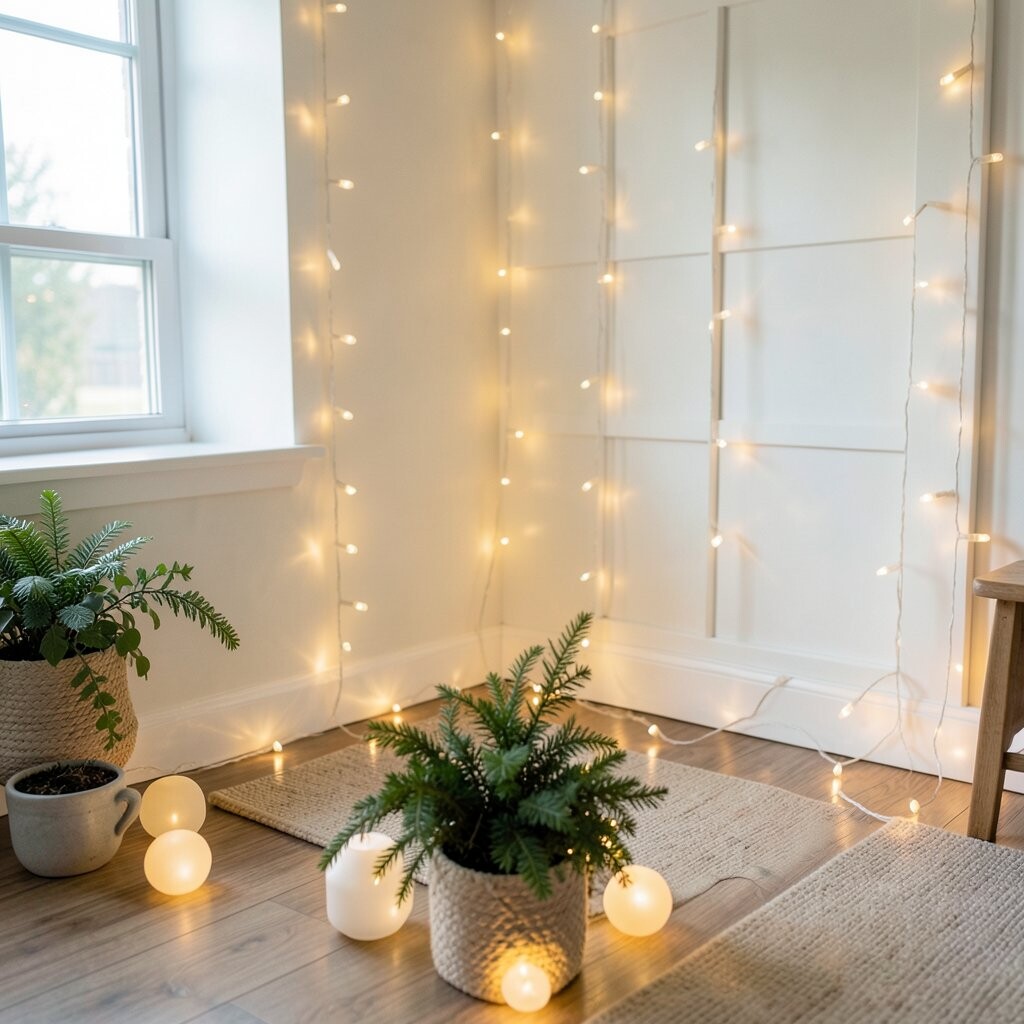
It’s tempting to grab the first set that looks pretty in the store. Then you get home and realize the cord length is too short, or the coverage feels patchy.
Measure the areas you want to light and think about how you’ll route the wire around furniture, rails, and corners. A well-sized strand creates an even shimmer that looks calm and well planned instead of busy. If you’re decorating a balcony or a tall plant, longer sets or multiple runs can help you avoid awkward gaps. Planning ahead also makes shopping simpler, which can cut down on wasted purchases and extra shipping.
2. Overloading Everything With Too Many Layers
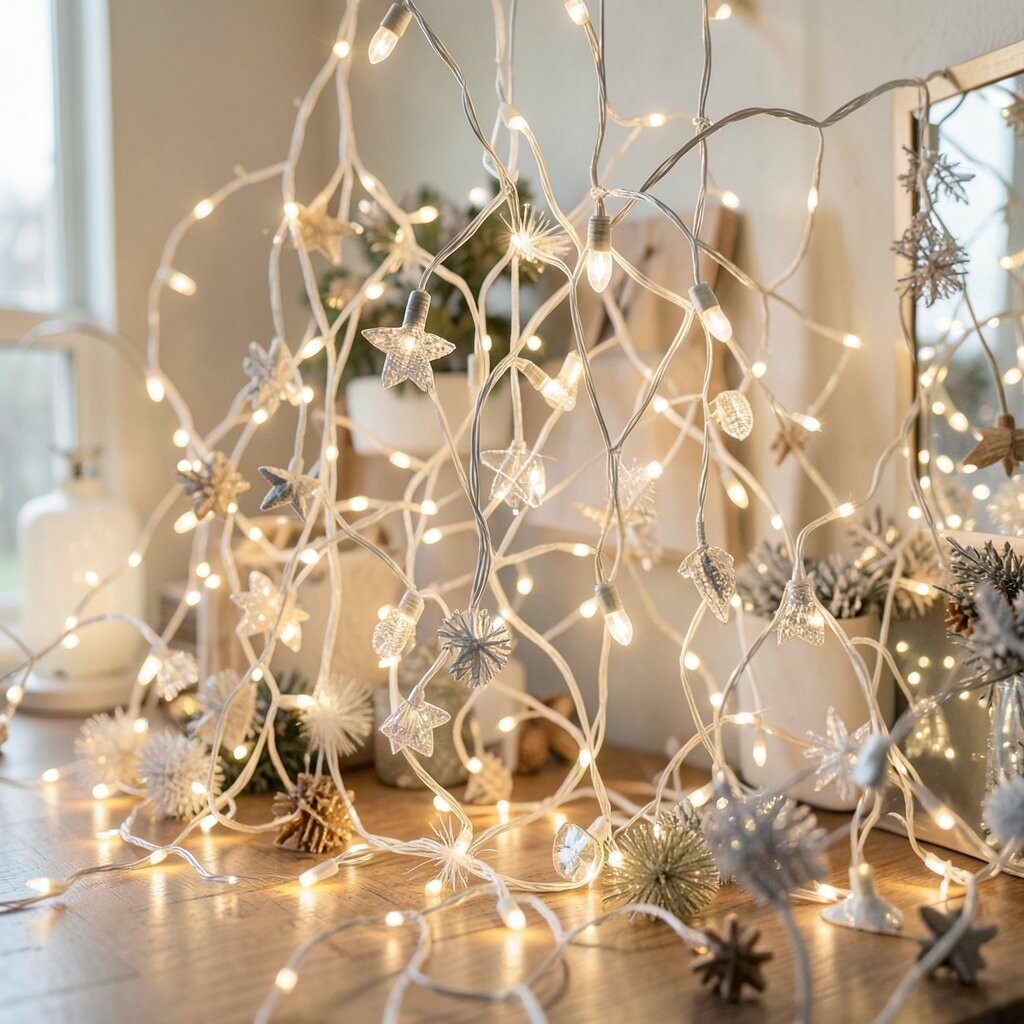
More lights can look like more magic, but too many layers often make a room feel cluttered. Instead of twinkling, it can look like one solid blur of glare.
Try keeping a few areas as focal points, like a curtain edge, a mirror frame, or a tabletop runner, while leaving breathing room elsewhere. This helps the sparkle stand out and keeps your decor looking unique. You can also mix in negative space by turning down coverage on larger walls. Many people find that using two thinner strands in the same spot creates a similar glow without the overwhelming effect.
Want it to feel personal? Choose one color story, like warm white for cozy evenings or a gentle cool white for a crisp look. For trendier styles, layering lights with subtle texture like linen curtains and matte ceramics helps the shimmer look intentional rather than excessive. And if you’re worried about cost, buy fewer strands but place them with care so you get a fuller look per set.
3. Ignoring Power Sources and Hidden Safety Risks
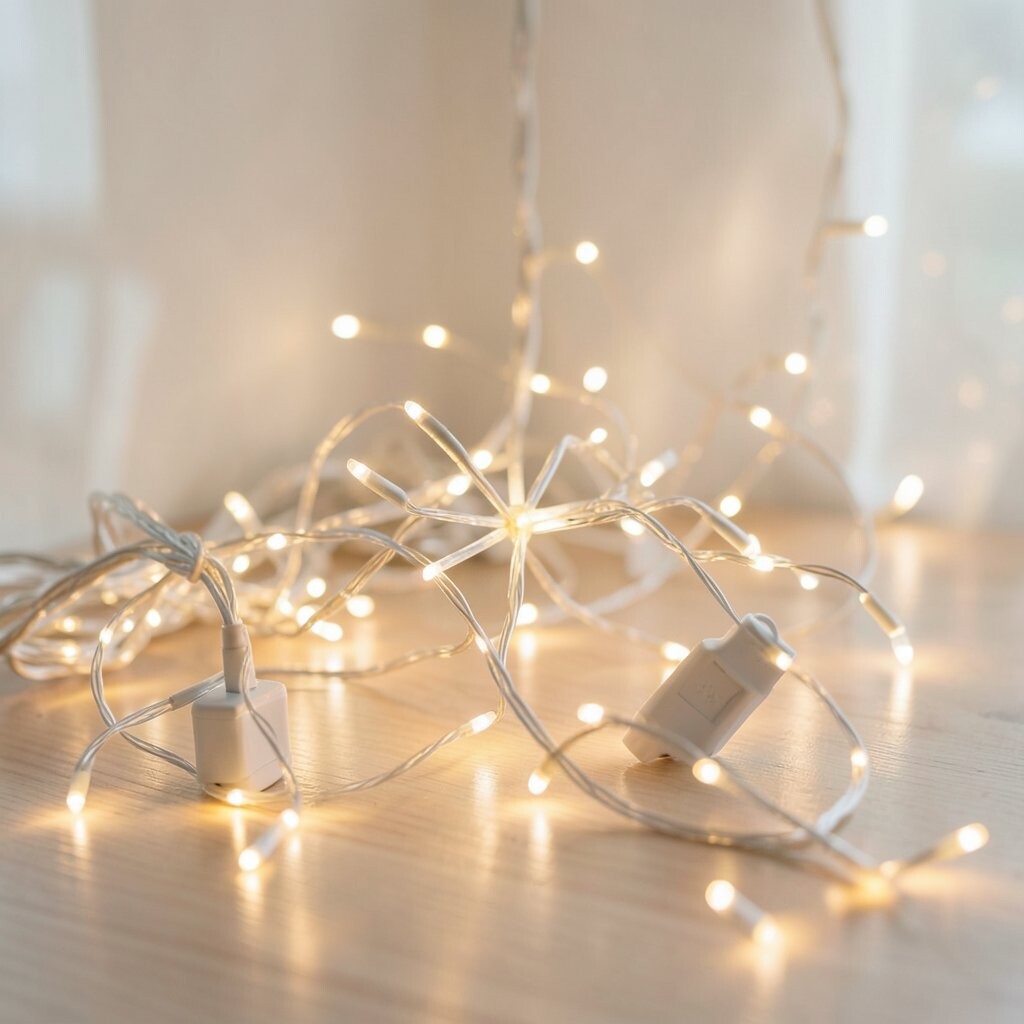
It’s easy to plug in lights when you’re excited, then forget where the cords run. If your wires are stretched tight, tangled, or placed near heat, you’re inviting trouble.
Check your outlets, extension cords, and whether the lights are rated for indoor or outdoor use. Visualize the path first, including any places where pets or kids might tug. Secure cords with clips or cord covers so the layout stays neat and the twinkle looks clean. This also prevents strain on plugs, which helps your lights keep working season after season.
For practical comfort, place the power source near the main display so you don’t need heavy extension cords across walkways. If you want a more modern look, hide cords behind furniture legs or along baseboards using paintable channels. Many decorators prefer timers because you get consistent sparkle without constant switching. That habit also saves energy, which can help your household budget feel a little lighter.
4. Skipping the Test Run Before You Hang
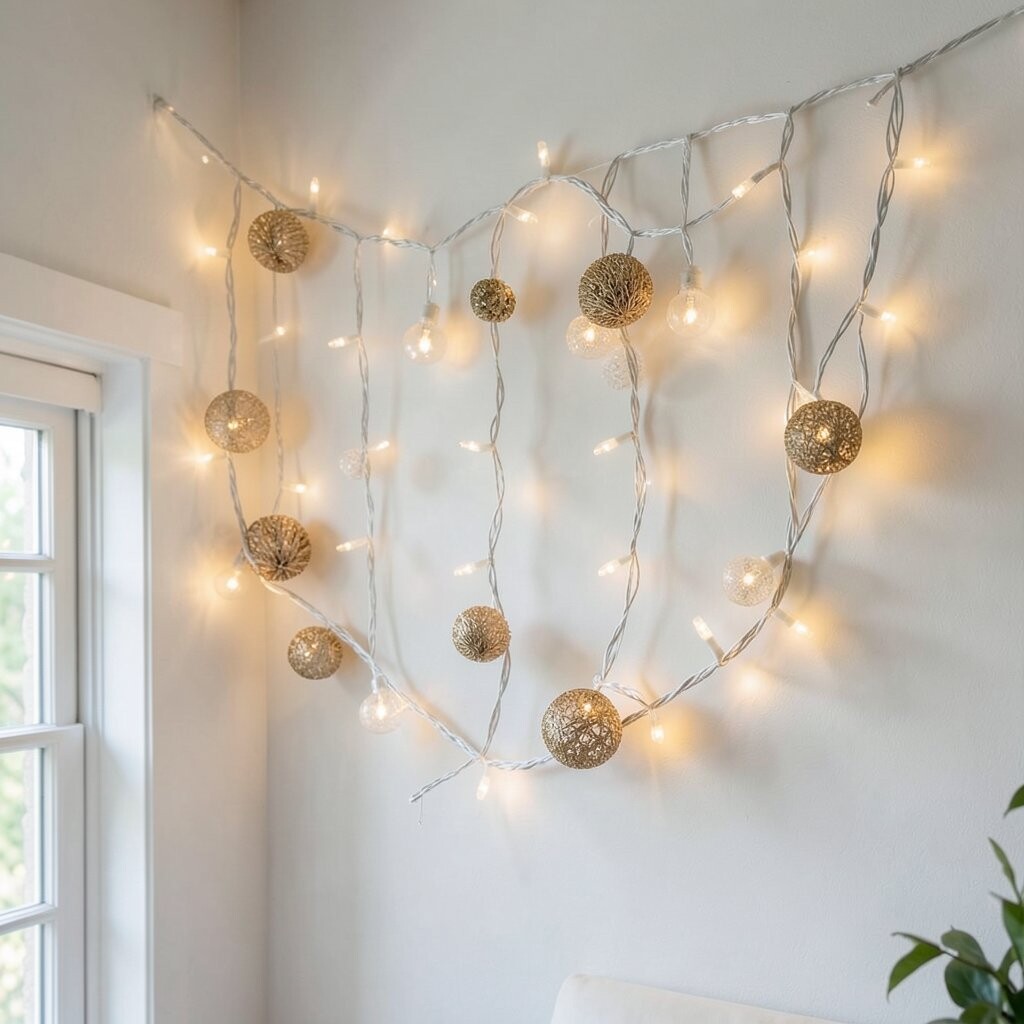
Nothing is worse than finishing the whole setup and realizing half the lights don’t work. The twinkle should feel effortless, not frustrating at the very last moment.
Test your strands near the outlet and check each section for brightness and color. If the lights are dim, flicker too much, or have a different shade than expected, adjust before you commit. It helps to hold the strand up against the exact surface you’ll use so you can picture the final glow. Doing a test run also lets you spot damaged connectors early, which is easier and cheaper than troubleshooting later.
5. Treating Outdoors Like It’s the Same as Indoors
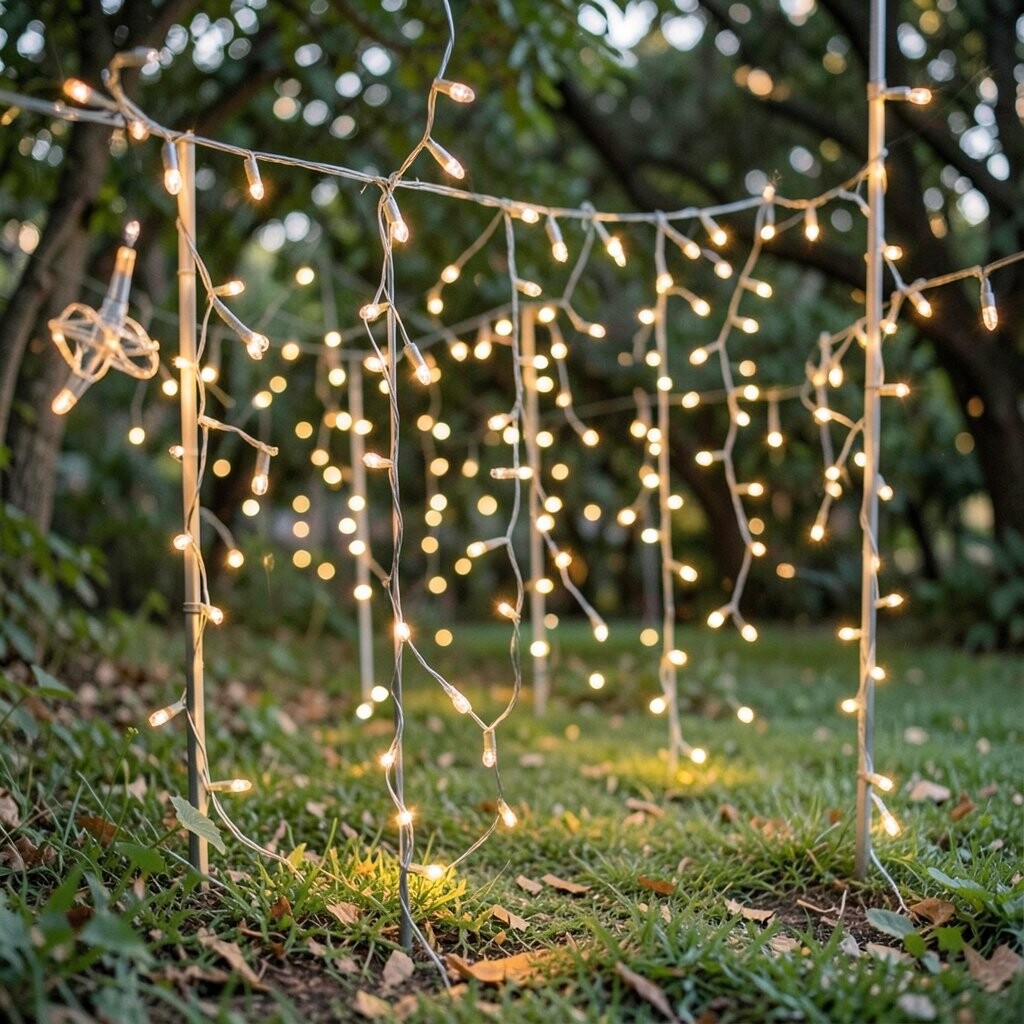
Outdoor spaces take hits from wind, rain, and temperature shifts that indoor setups never face. Lights that aren’t built for weather can fade quickly and look uneven.
Look for outdoor-rated strings and use appropriate mounting so the wires don’t sag or pull free. When the lights sit too loose, you get a lopsided twinkle that feels accidental. Choose clips designed for your railing or siding so the sparkle hugs the shape. This simple setup creates a crisp outline around hedges, pergolas, or stair railings.
Want something more unique? Use outdoor twinkle lights in unexpected spots like under a plant shelf or along a garden arch. Current styles often mix twinkle with larger lanterns or softly lit wreaths for a layered look. If you’re cost-conscious, buy one weatherproof set that’s long enough for your main focal area, then add smaller indoor-only accents elsewhere.
6. Choosing the Wrong Color Temperature for the Mood
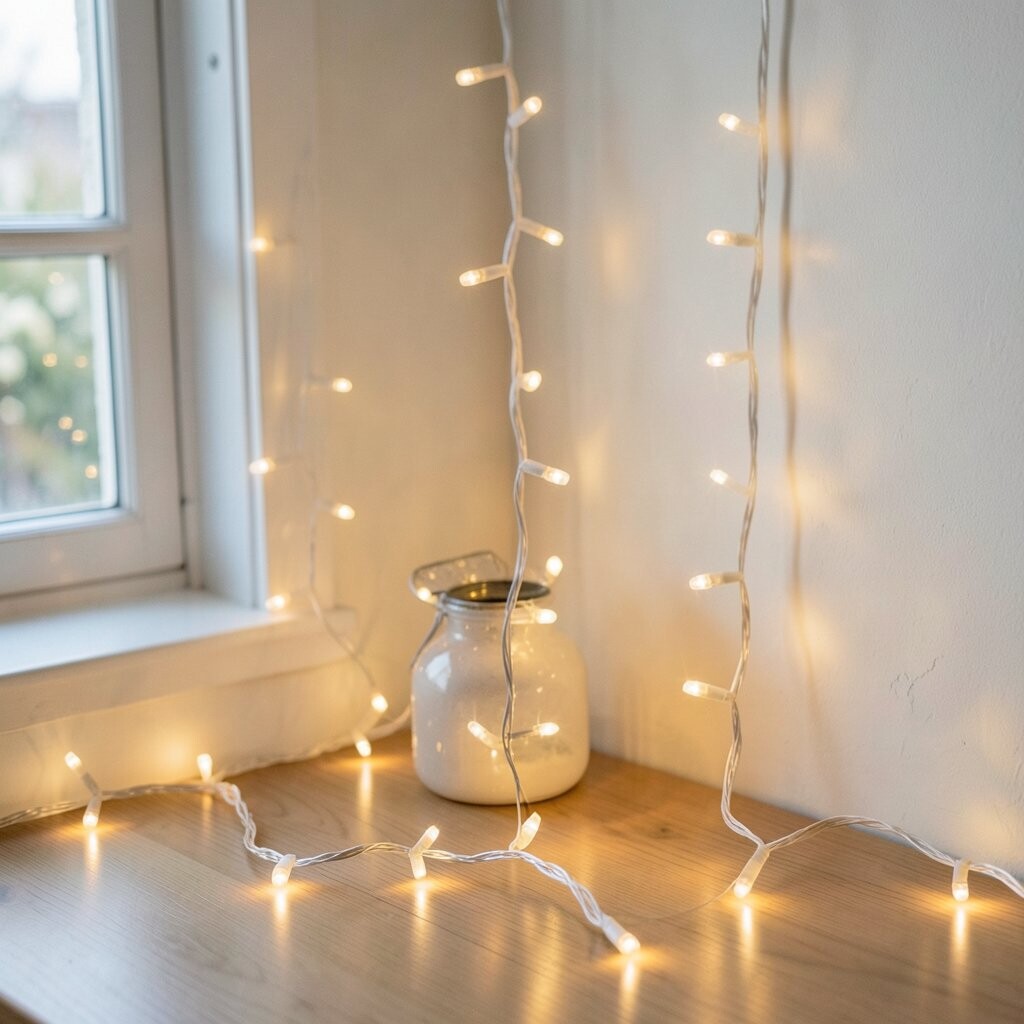
Warm lights feel like candlelight, while cool lights feel sharper and more modern. Picking the wrong shade can change the entire vibe of your room.
Warm white tends to look cozy on wood, cream fabrics, and soft rugs, while cool white can make white walls feel crisp and bright. If your furniture is more yellow-toned, cool lights might look a bit harsh. Try placing a strand against different surfaces to see how it shifts across textures. This helps you create a visual description that matches what you want, like a gentle glow or an airy shimmer.
For personalization, consider mixing two tones at a low level in different zones, such as warm on the main wall and cool on shelves. Many decorators are loving mixed lighting because it feels curated without being random. Keep it subtle so the twinkle stays calm and soothing. And when shopping, pay attention to product labels so you’re not surprised by the final color indoors or outdoors.
7. Using Only One Type of Twinkle Effect
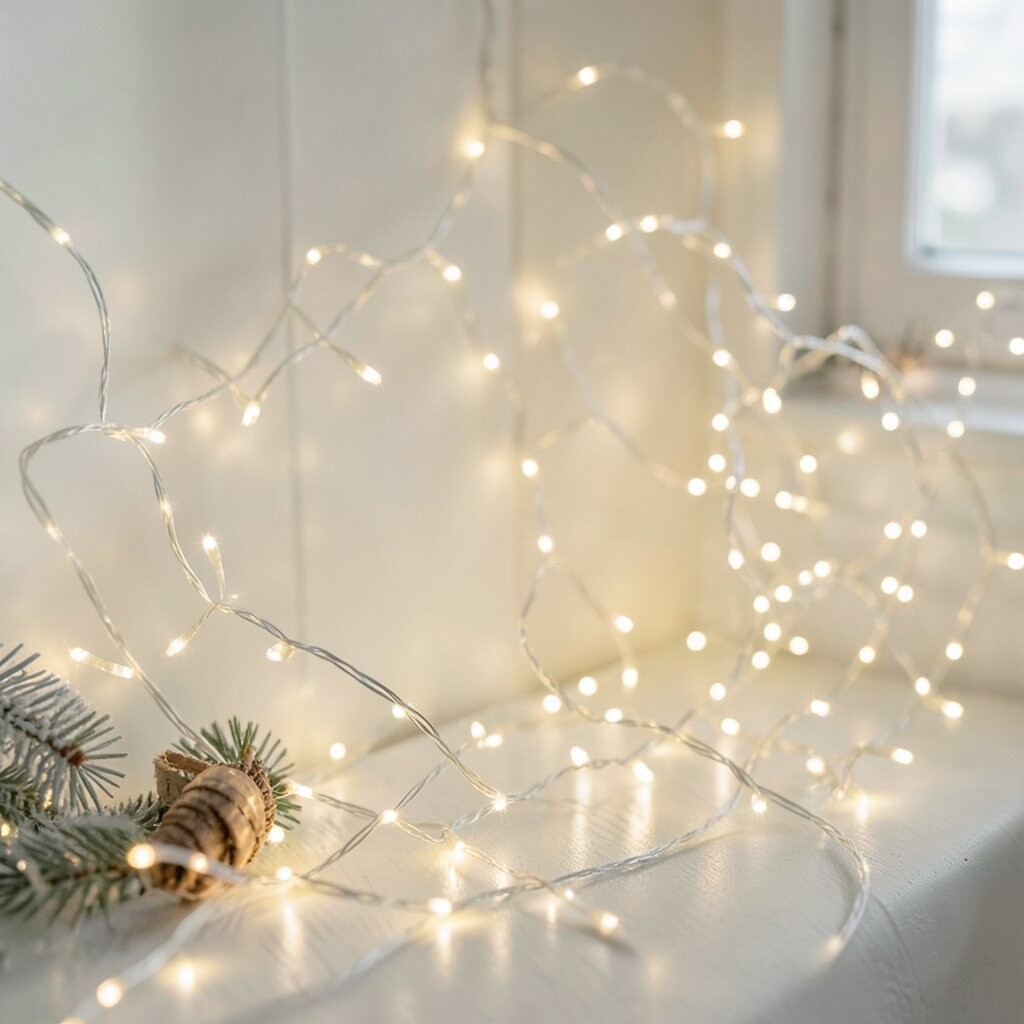
Some twinkle patterns are bright and lively, while others are slow and dreamy. If you only use one effect everywhere, it can look flat or repetitive.
Mixing steady glow with gentle twinkle can make the sparkle feel more natural, like tiny stars that wake up now and then. This creates uniqueness through motion without turning your space into a disco. If you have areas that need calm, use steadier modes there and reserve faster twinkles for accents like a garland edge. You can also adjust the settings on remotes so your display matches the time of day.
For practical results, test patterns first and keep the busiest effect limited to small focal points. This is a trend many people love right now because it looks styled rather than chaotic. If you’re budgeting, buying one versatile strand with adjustable modes can be a smart way to get variety without buying many different sets.
8. Skipping Planning for Placement and Spacing
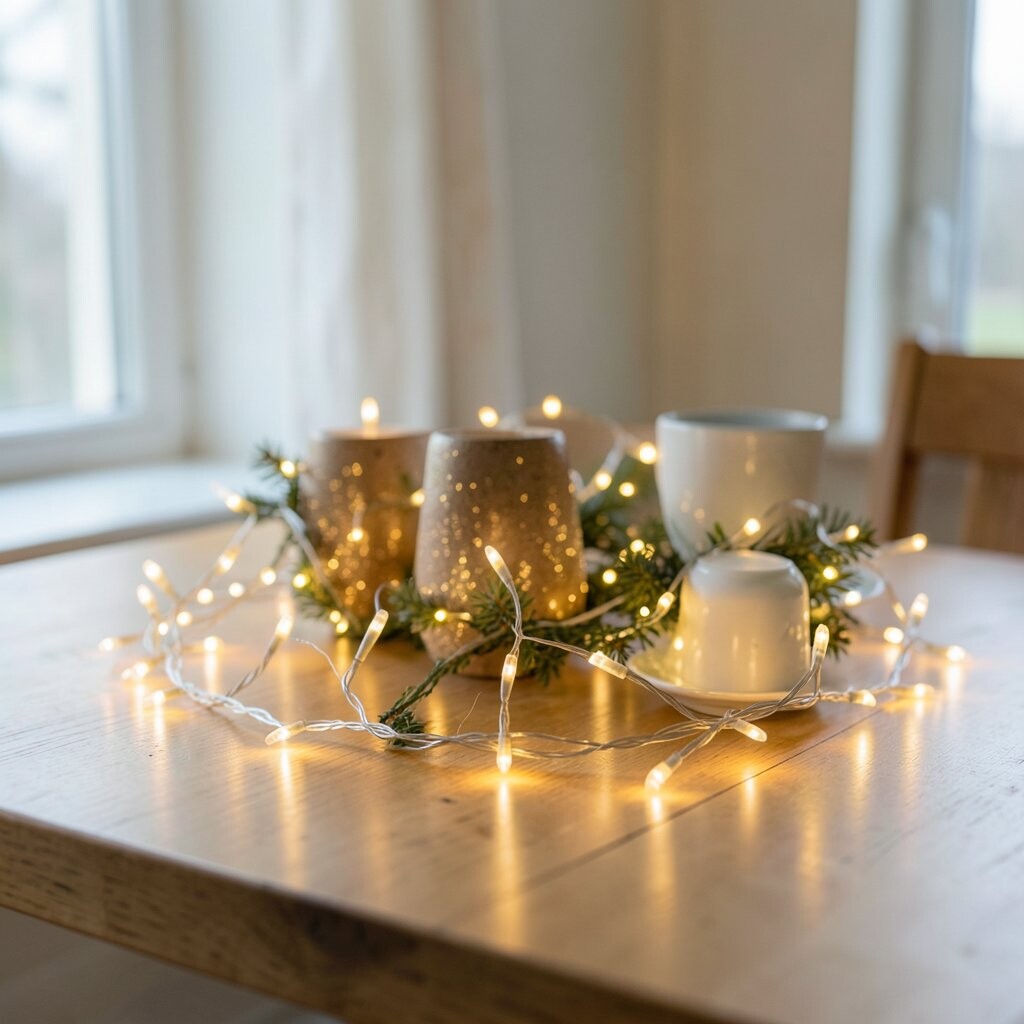
When lights are hung without thought, they can bunch up in one spot and thin out in another. The shimmer then looks uneven, like patches of sparkle instead of a smooth glow.
Sketch the shape you want, even if it’s simple, like a line across the mantel or a zigzag along a wall shelf. Space strands so they follow the lines of your furniture and decor, not random corners. A steady spacing helps the lights look intentional and makes the twinkle feel balanced. It also makes the display easier to adjust if you move things later.
To personalize, match spacing to your decor scale. Larger ornaments can handle slightly wider gaps, while small shelves benefit from tighter, more delicate placement. Many current home styling choices use consistent lines because they look modern and clean. Even if you’re working with a small budget, careful placement often gives the “designer” look people crave.
9. Neglecting the Backdrop and Surrounding Decor
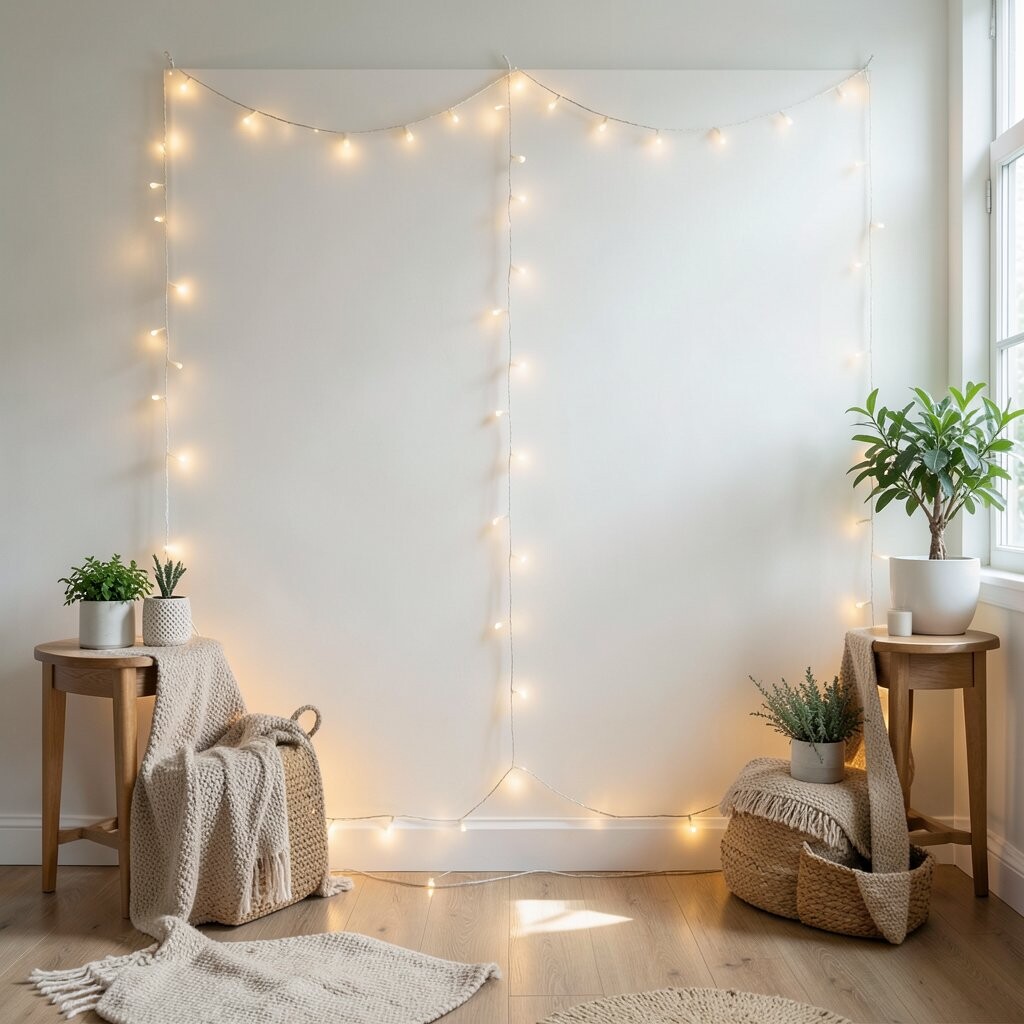
Twinkle lights can shine, but they still need a good stage. If the background is busy or dark, the glow might disappear, and if it’s too reflective, it can look washed out.
Think about what your lights will sit on or behind, like curtains, shelves, plants, or picture frames. Light bounces differently off glossy surfaces, metal, and glass, so the visual result can change fast. A matte backdrop often makes the sparkle look softer, which is a big benefit for cozy rooms. Adding a simple neutral curtain behind lights can make the twinkle pop without extra purchases.
Uniqueness comes from choosing the right surrounding textures. Try layering twinkle lights with knitted throws, felt garlands, or natural wood. This style blend is popular now because it feels warm and handmade. And if you’re counting costs, you can often boost the look using items you already own rather than buying more light sets.
10. Leaving Tangled Cords and Ugly Strain Lines
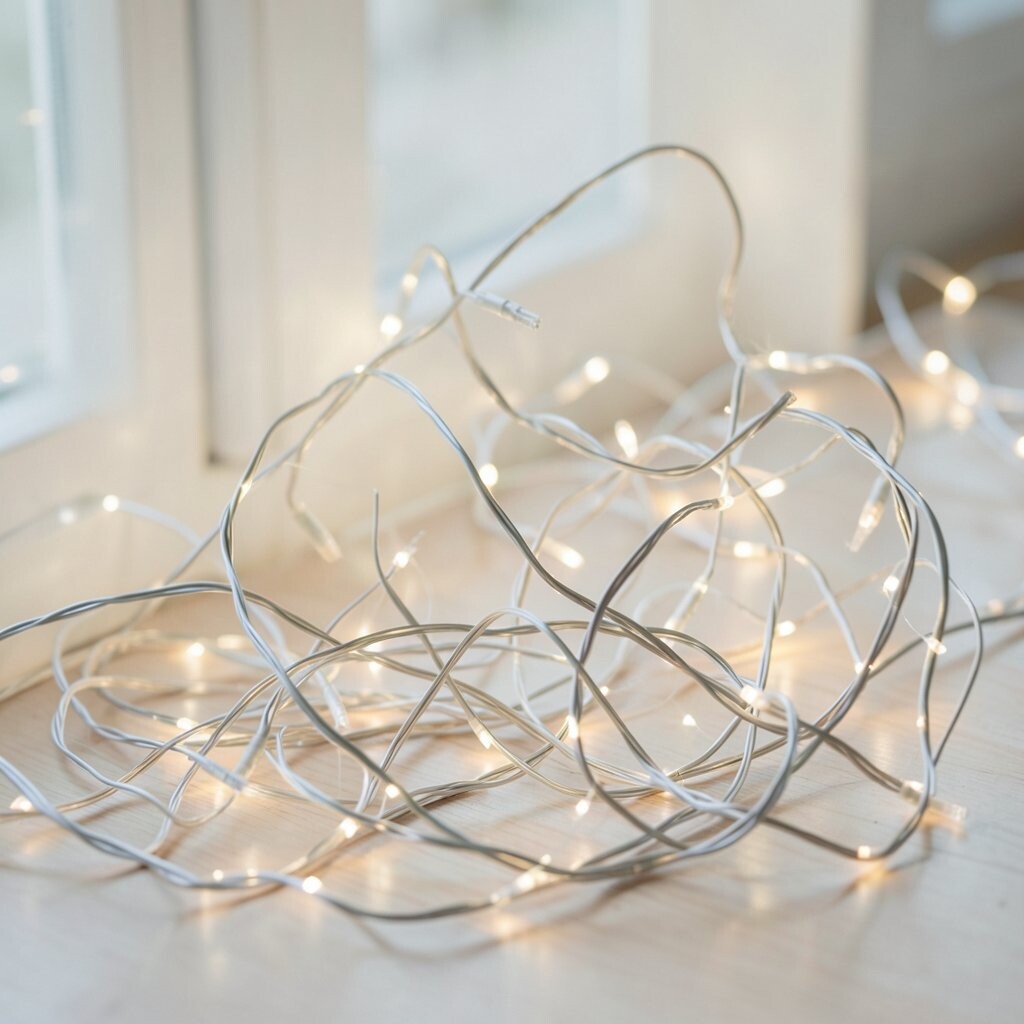
Tangled cords look messy even when the lights themselves are beautiful. You may notice it right away, and guests will notice too, especially in close-up areas.
Use a gentle approach when setting up by unrolling carefully and checking for kinks before fastening. Avoid pulling the strand tight across corners, since that creates visible stress lines and can shorten the life of the wiring. Neat cord management also makes the glow look cleaner, which boosts the overall charm. If you use wall clips, hide them along edges so the focus stays on the twinkle.
For personalization, wrap cords lightly around a decorative pole or ladder rung so the structure looks intentional. Many people love the look of “designed” cord runs because it feels like part of the decor, not a leftover accessory. If you’re trying to save money, small storage tools like cable ties and a simple tote can keep future setups easier without buying new strings.
11. Choosing Cheap Sets That Lose Sparkle Fast
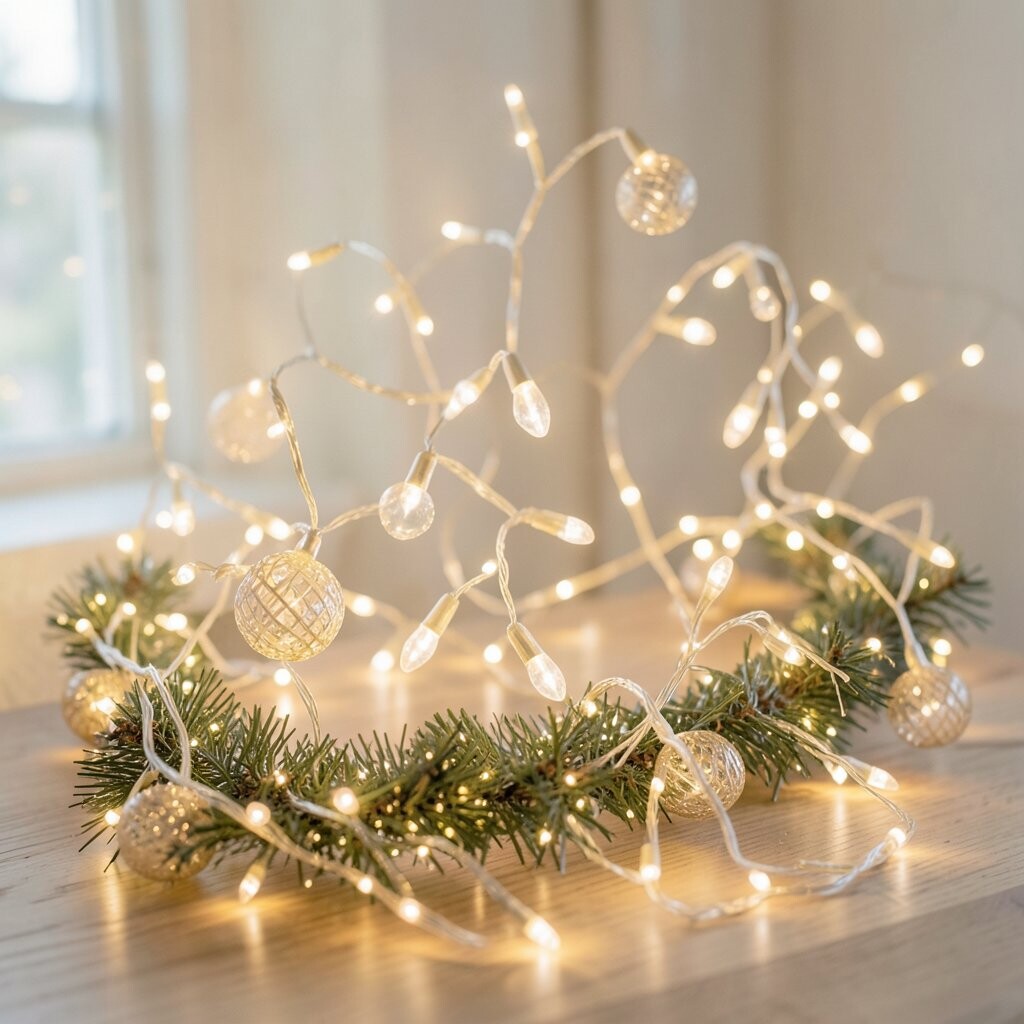
You might save money upfront, but low-quality lights can dim quickly or stop working after a short season. That means replacing them sooner, which usually costs more later.
Look for reliable construction, clear wiring, and consistent brightness across the strand. Even the visual description improves when the lights are evenly spaced and the glow is steady. Quality sets often last longer, which is one of the biggest benefits for repeat holiday decorating. They’re also more likely to handle mild outdoor use if the rating matches your setting.
Uniqueness doesn’t have to mean pricey either. Consider buying one higher-quality strand for your main focal area and use simpler lights for smaller accents. Current trends favor “fewer, better” displays that look curated rather than overloaded. If you do shop for deals, check for warranty info and avoid sets with unknown specs.
12. Overlooking the Scale of Ornaments and Decor Pieces

Twinkle lights can look too strong or too delicate if the surrounding decor pieces don’t match their size. A tiny glow around large decor may feel lost, while big lights can overwhelm small details.
Match your lights to the scale of what you’re lighting, like choosing smaller, delicate strands for picture ledges and larger placements for tall trees. When the proportion feels right, the sparkle frames your decor in a flattering way. This also makes the display feel more unique, because it’s balanced rather than random. Try stepping back and checking from different angles so you can see how the twinkle relates to the rest of the room.
For personalization, use lights to highlight specific items like a favorite vase, a stack of books, or a handmade wreath. Many decorators are pairing lights with personal photos and meaningful objects, which gives the sparkle a story. On a budget, focus your best lighting on the single most meaningful spot and let everything else stay simple. That strategy keeps costs down while still feeling special.
13. Forgetting About Heat, Dimmers, and Timer Settings
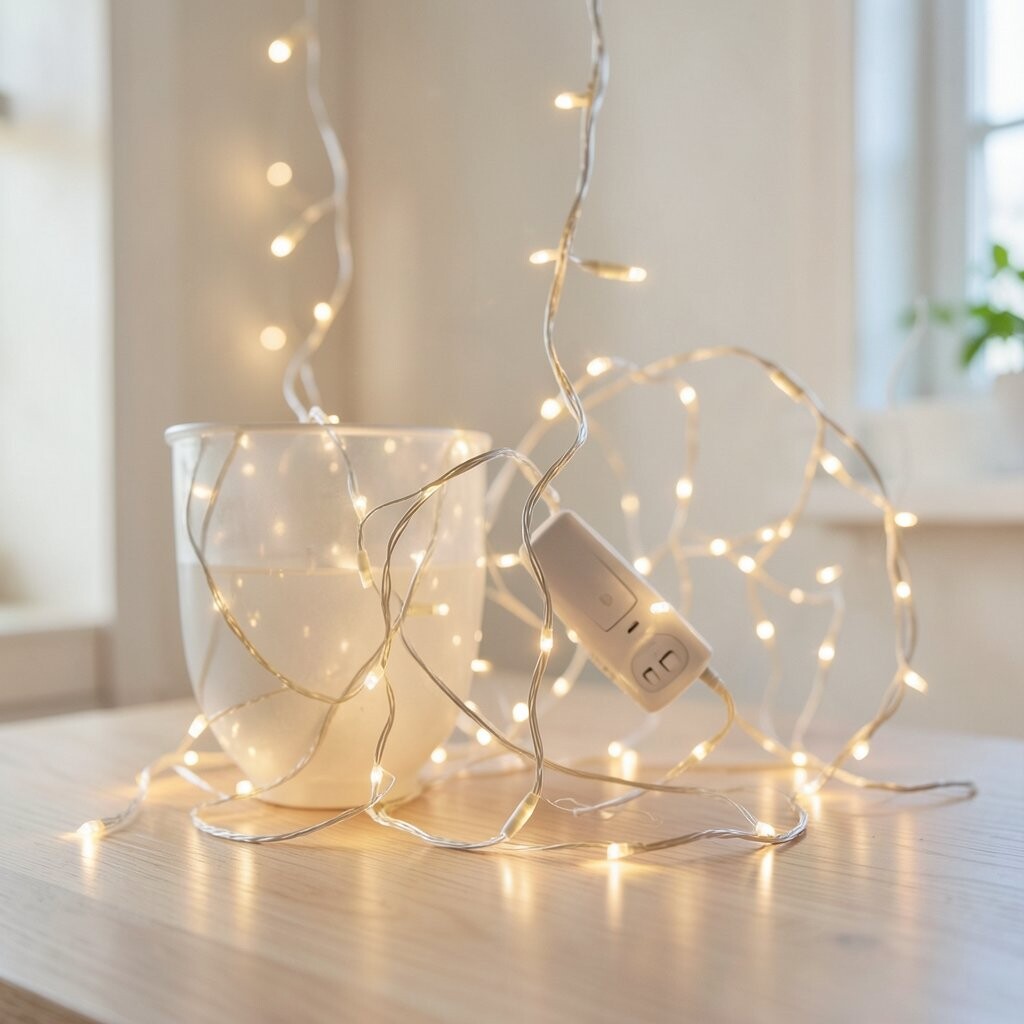
Lights that run too long without breaks can create extra heat or wear out faster. Even if they seem fine during set up, long use can change how they perform.
Use timers when you can so the twinkle turns on at the time you actually enjoy it. Dimmers and mode controls can help you set a calm glow for evenings instead of constant bright sparkle. This also helps protect your display because you’re not overworking the lights. A simple schedule can make your space feel magical every night without constant checking.
For a trend-forward vibe, many people now prefer “soft evenings” where lights set the mood but don’t glare. Try lowering brightness when you’re watching TV or when guests arrive, then turn it up a bit for lively moments. If you’re mindful about energy, timers and efficient LED strands can be a smart cost consideration. The best part is that you get consistency, not guesswork.
14. Skipping Dust, Wiping, and Care Between Uses
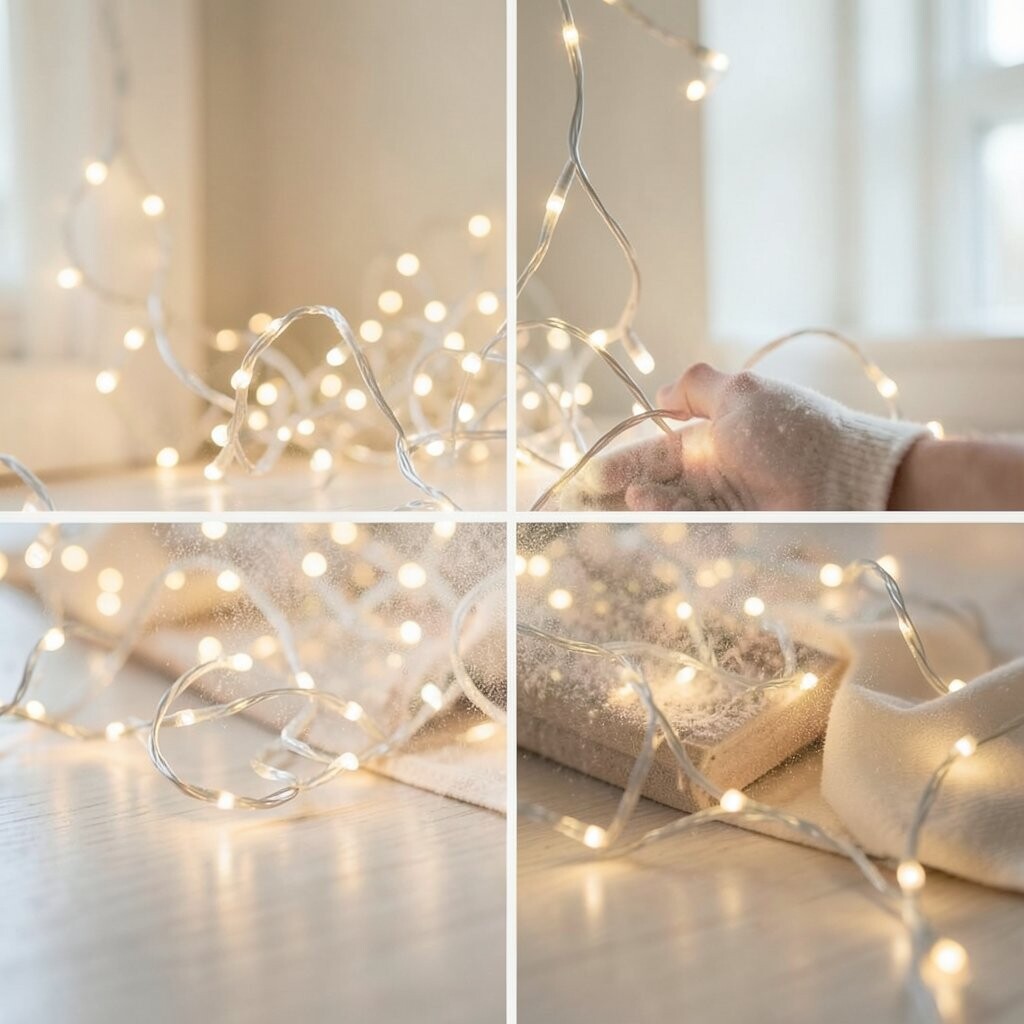
Twinkle lights look dull when dust builds up on the bulbs and wiring, even if nothing is actually wrong. That can make the glow less magical and more like a faint haze.
Before rehanging, wipe the strands gently and check for bent sections or loose connectors. If you store lights poorly after use, tangles can create worn spots, which affects brightness. Proper care improves visual clarity, so the twinkle looks crisp and clean again. It also extends the life of the set, which is a practical benefit that adds up over time.
Uniqueness can come from how you present them after care. Store strands neatly so you can recreate the same look each year, or tweak placement for new themes. Current trends include “mini seasonal refreshes,” where people reuse the same lights but swap garlands and ornaments. If you want to control costs, reusing well-cared-for lights is one of the easiest ways to stay on budget.
15. Overlooking Lighting Rules for Niches, Mirrors, and Windows
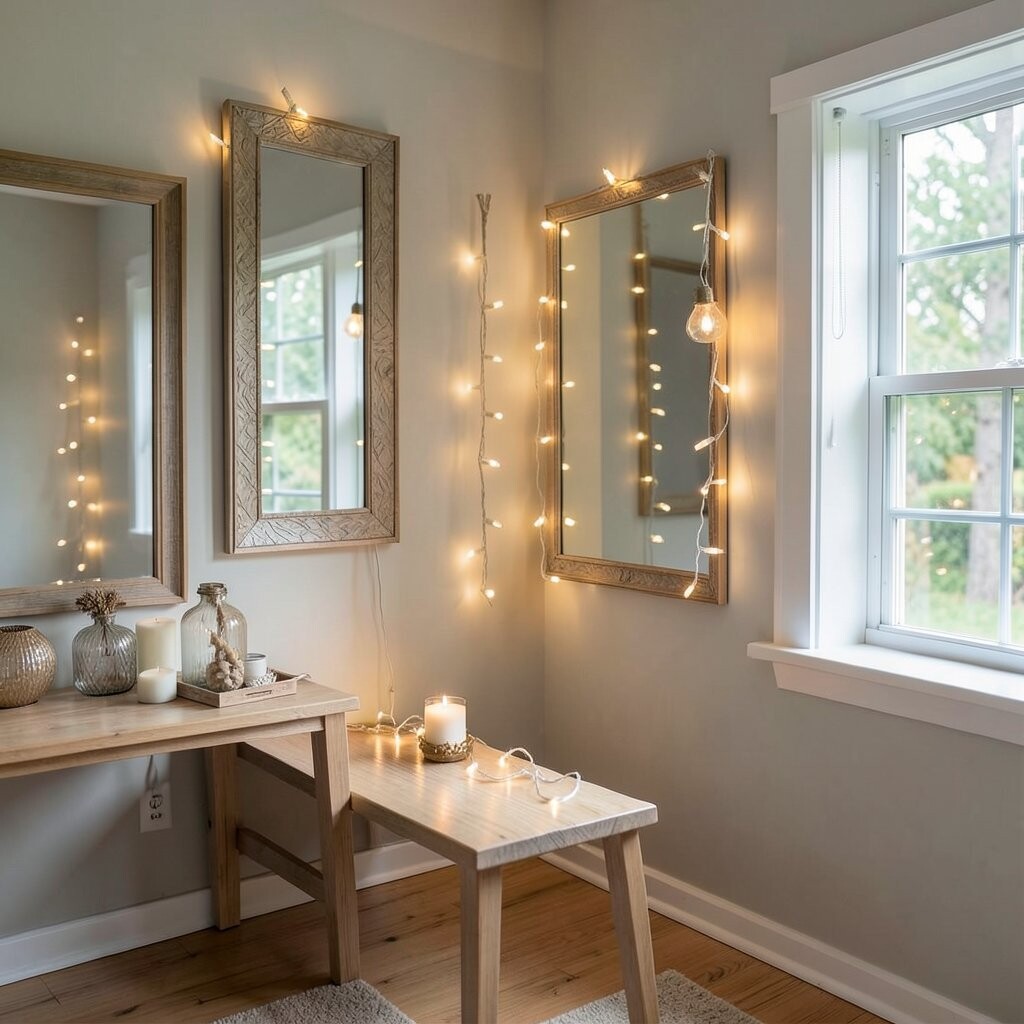
Some spaces create glare or strange reflections, especially near mirrors and shiny windows. That can make your lights seem harsher than you intended.
Use the lights to frame rather than flood, placing them along edges and behind decor so the sparkle spreads softly. If you’re adding lights near a mirror, check how the reflection changes the look from inside the room. This matters for practical comfort because glare can ruin the cozy mood you’re aiming for. A gentle placement can also make the twinkle look more like a starry glow instead of a spotlight.
Personalization is easier when you think in layers, like lights behind sheer curtains for a dreamy effect. Many people enjoy window light scenes that look like a gentle snowfall outside, which is popular right now. If you’re trying to keep costs down, use shorter strands with smart positioning rather than buying very long sets for every surface. That approach helps you get the look while staying intentional.
16. Not Updating the Look When Your Decor Changes
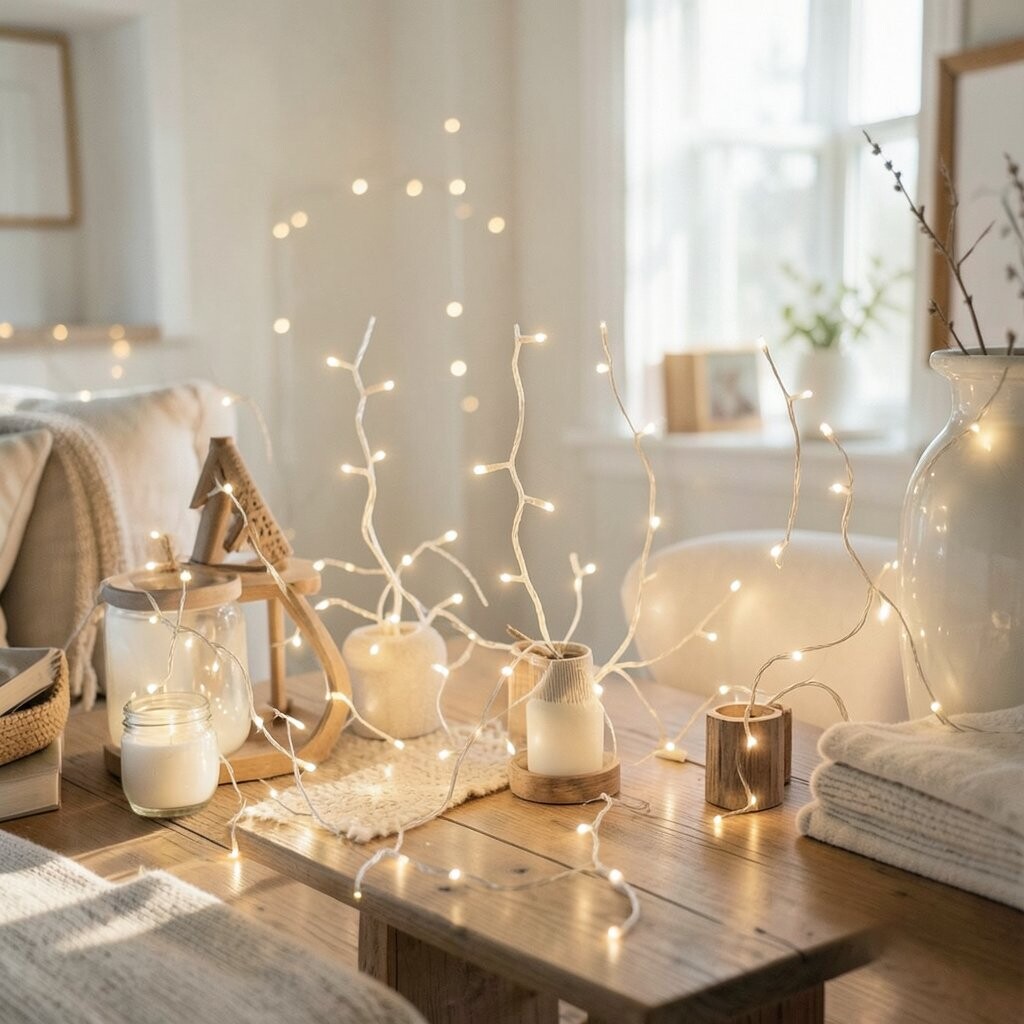
Sometimes people hang twinkle lights the same way year after year, even when their furniture and color palette have changed. The result can feel mismatched, like the lights belong to a different room.
Reassess the layout each season and adjust the placement to match your current decor. A small shift in where you hang them can create a fresh vibe while still keeping that familiar cozy shimmer. This is a great benefit because it saves money on buying new decor while keeping things interesting. It also helps your twinkle lights feel unique instead of generic.
For practical personalization, swap out what the lights frame, like changing garlands, using different ornaments, or styling shelves with new textures. Current trends often focus on flexible displays that shift with the season, like winter greenery one year and spring florals the next. If you want to manage costs, reuse the same lights and refresh surrounding items you can find at reasonable prices. With a little attention, your lighting will stay special no matter how your home evolves.