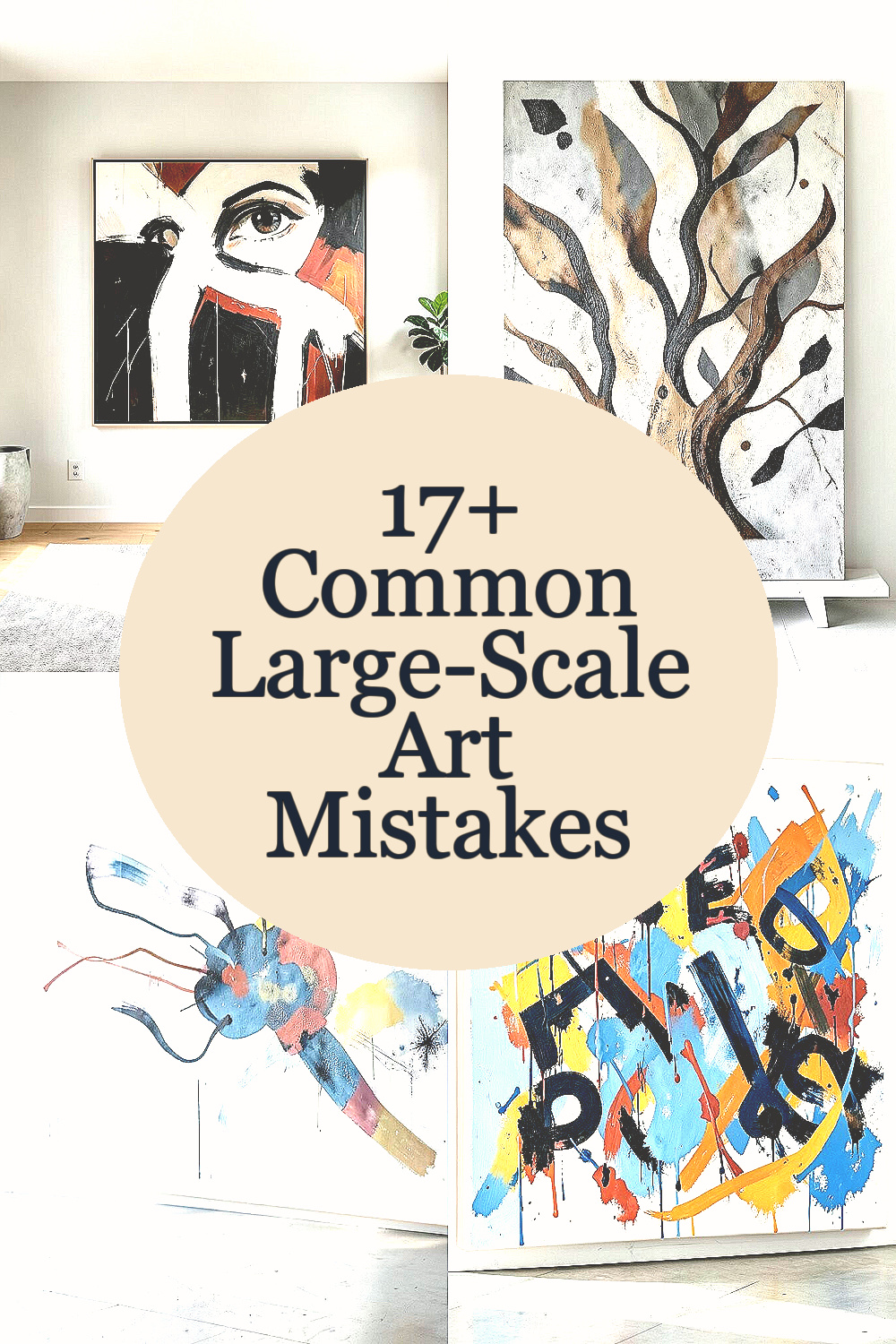
Art has a magical way of transforming spaces, turning ordinary walls into extraordinary visuals. It’s like having a giant canvas that tells a story or evokes a feeling at every glance. But there are certain pitfalls you might face when dealing with large scale art.
1. Ignoring the Room’s Aesthetic
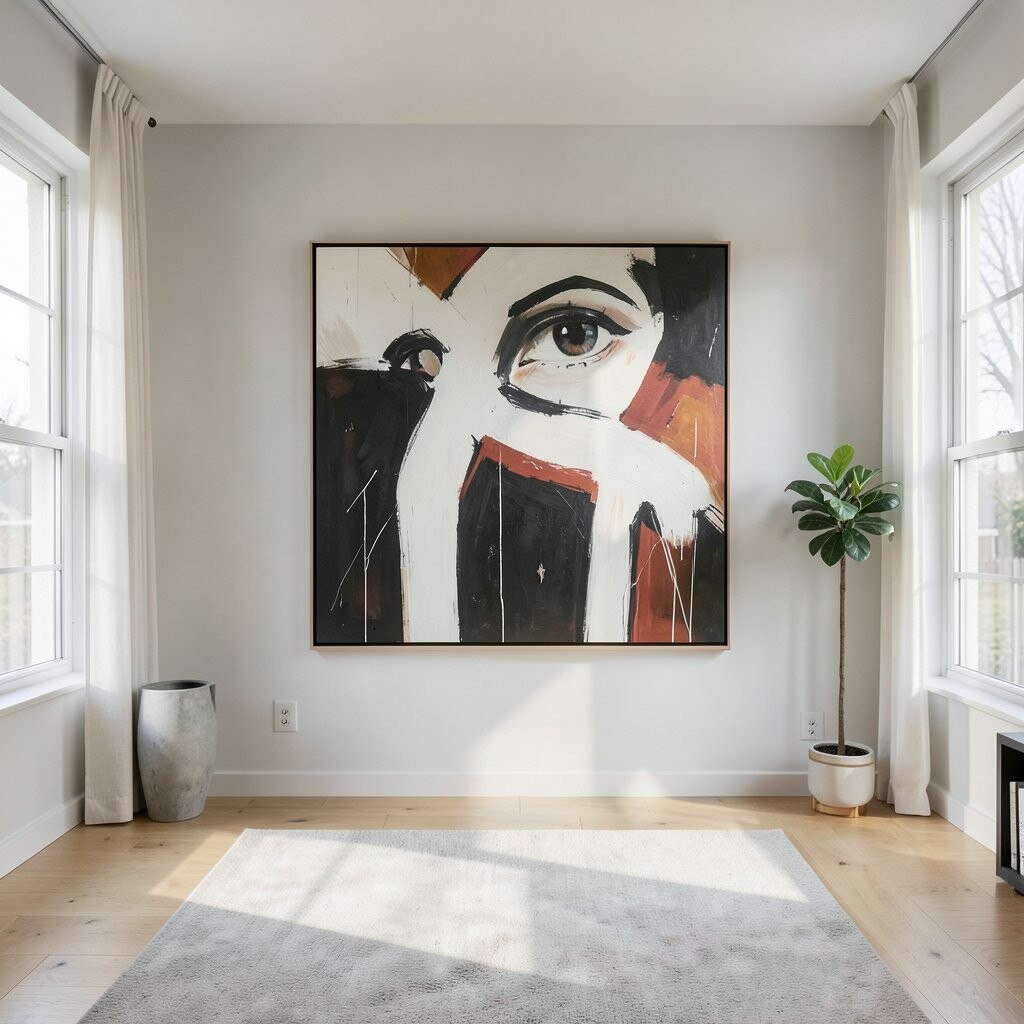
Start by considering the room’s overall vibe and how the art complements it. A mismatch can make the space feel chaotic or disjointed.
Matching the art with the room enhances harmony and balance. It ensures that the piece feels like a natural extension of the space.
Choose art with colors or themes that resonate with the room’s decor. Personalized choices can reflect your taste and make the art feel uniquely yours.
Ignoring this can lead to a costly mistake, as art isn’t cheap. Make sure it’s an investment that enhances, not detracts.
2. Overlooking the Size
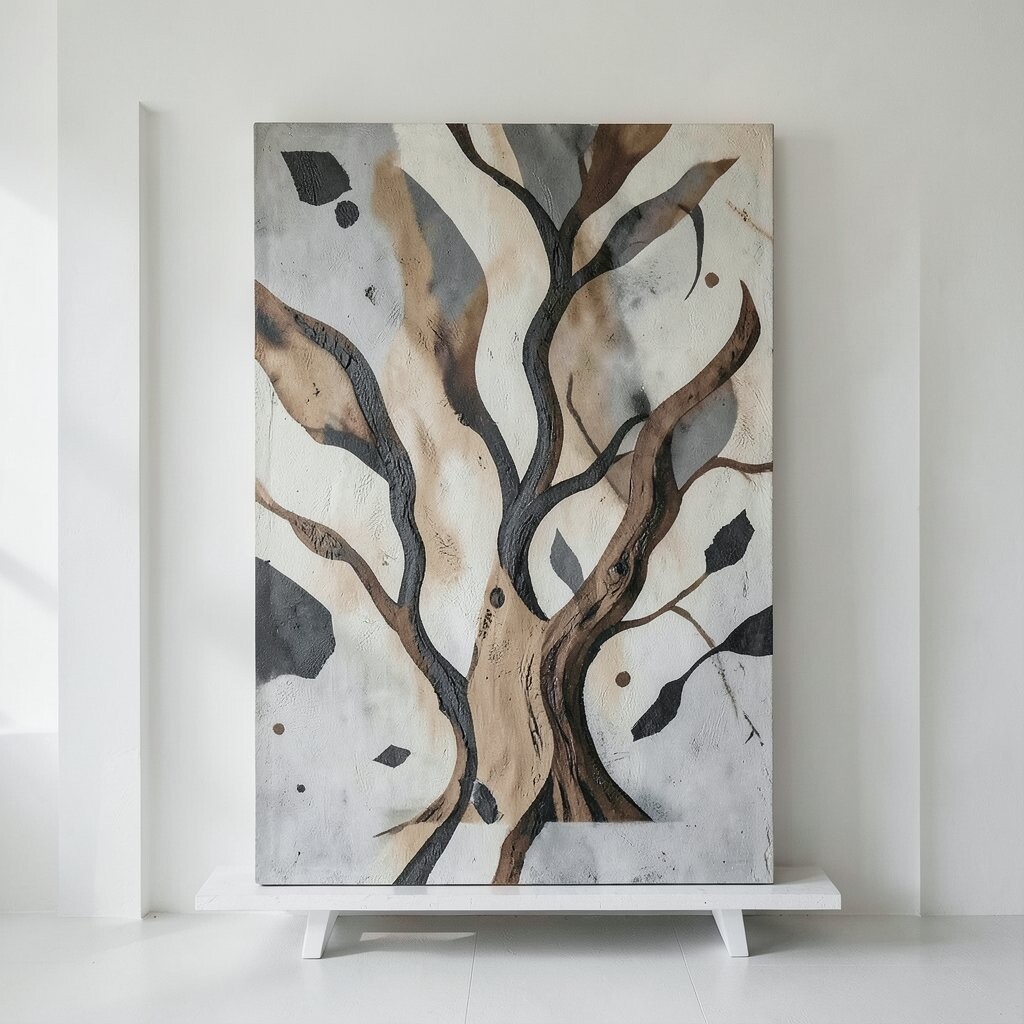
Art that’s too big can overwhelm, while too small can feel lost. It’s about finding the Goldilocks size that’s just right.
Proper sizing helps maintain proportion and focus. It makes the art a focal point rather than a distraction.
Measure your wall space before purchasing and visualize the art in place. This step helps in making a wise choice.
Custom-sized art might cost more, but it ensures a perfect fit. Consider the expense as part of the art’s long-term value.
3. Disregarding Lighting
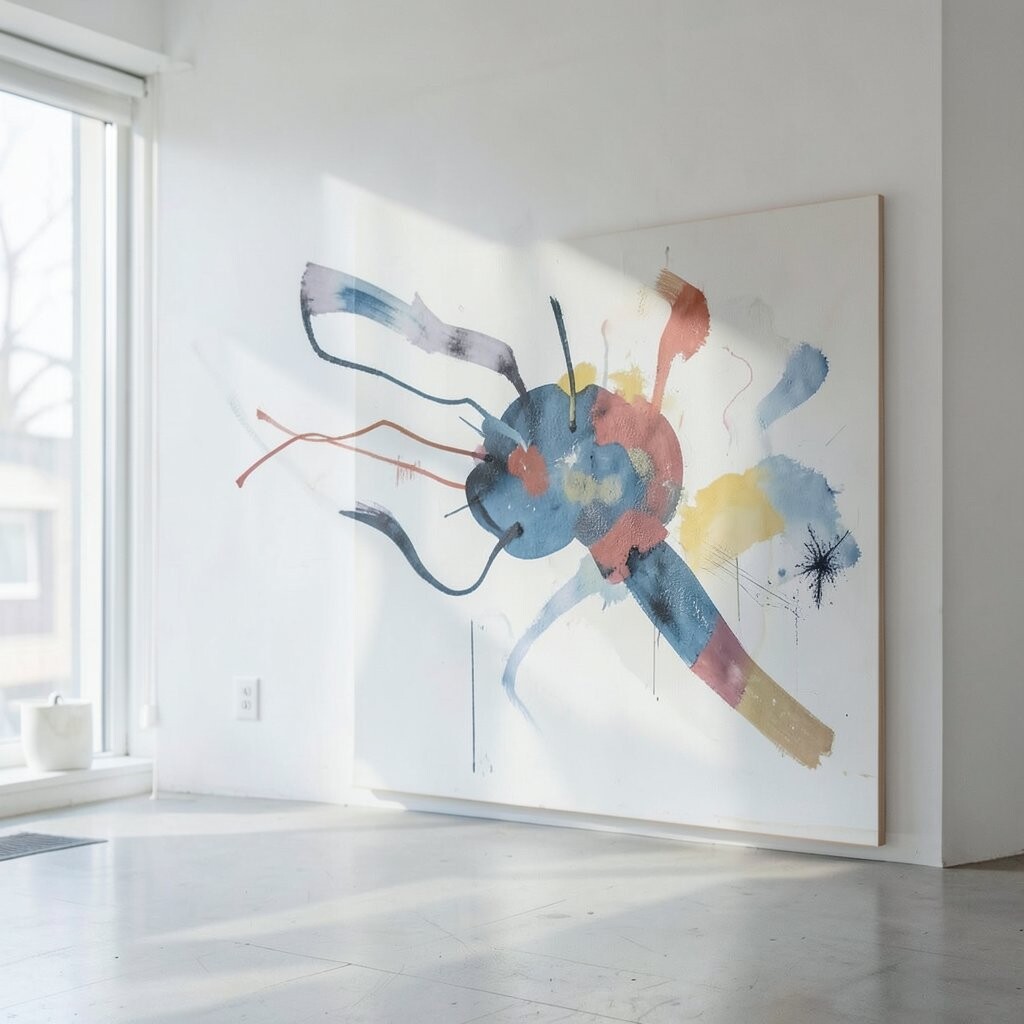
Good lighting can make or break your art display. It highlights colors and details that might otherwise go unnoticed.
Proper lighting not only showcases art but also creates ambiance. It brings out the art’s true essence and mood.
Experiment with different lighting angles and types, like spotlights or ambient lights. Each can change how art is perceived.
Investing in quality lighting solutions can elevate your space. It’s worth considering when budgeting for your art display.
4. Choosing Trend Over Personal Style
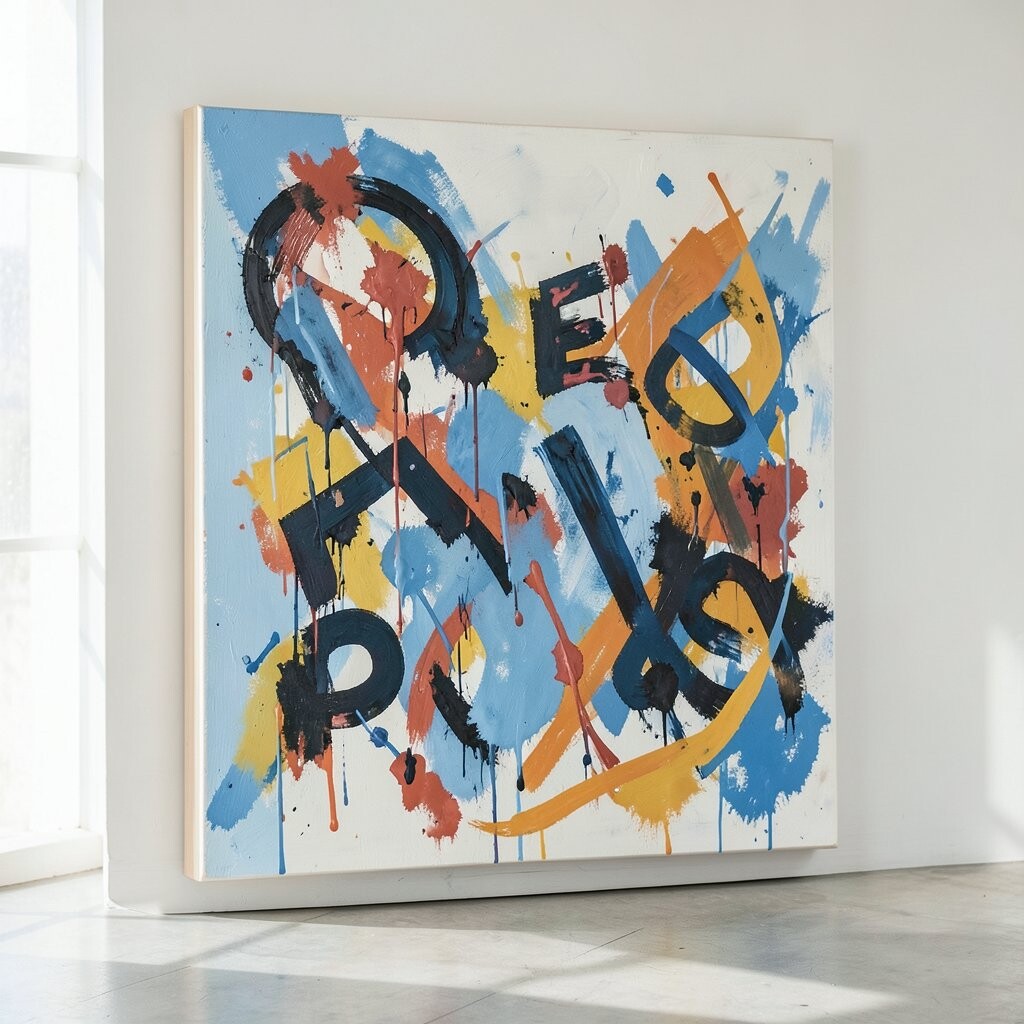
Trends come and go, but your personal style is timeless. Choose art that resonates with you personally.
Your art should tell your story, not just follow what’s popular. This makes your space feel authentic and personal.
Browse various styles and see what speaks to you. Personal connections with art make for more meaningful decor.
Trendy art might seem appealing now but could quickly feel outdated. Investing in timeless pieces ensures long-term satisfaction.
5. Neglecting the Frame
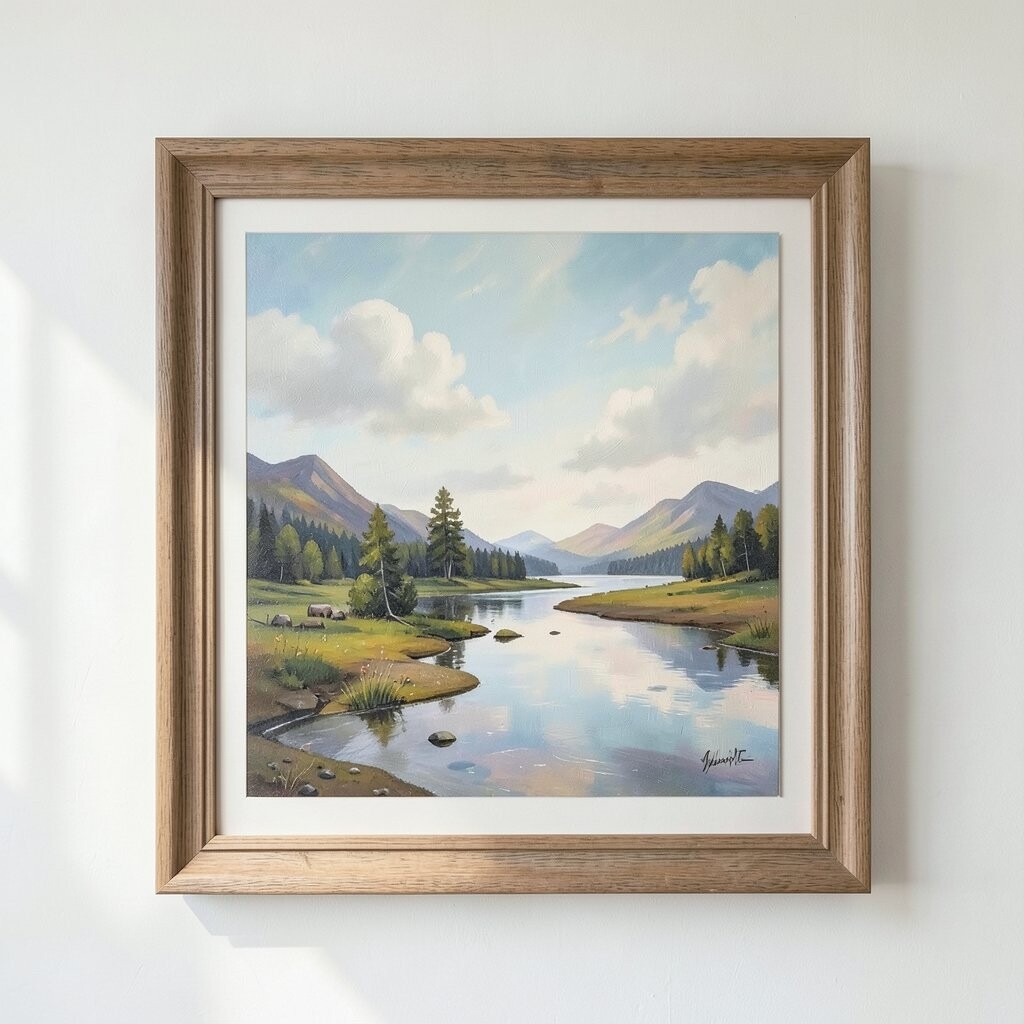
The right frame can enhance your artwork, while the wrong one can detract from it. It’s like the final touch on a masterpiece.
Frames add depth and definition to art. They can accentuate colors and textures, making the piece stand out.
Consider the material and color of the frame. A well-chosen frame complements both the art and the decor.
Custom frames might be pricier, but they provide a tailored look. Think of it as an investment in the overall presentation.
6. Overcrowding the Space
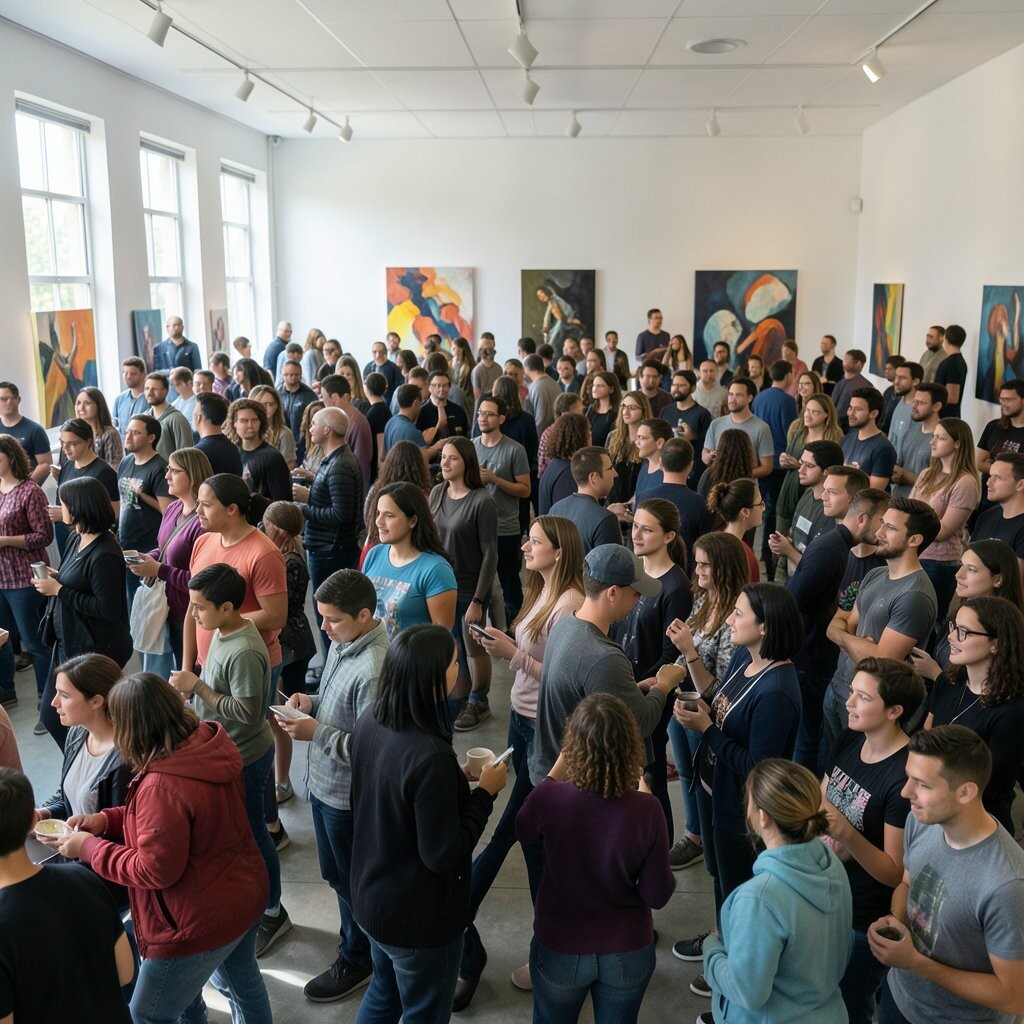
Too much art can make a space feel cluttered. It’s important to let each piece breathe and be appreciated.
Spacing between pieces helps maintain focus. Each artwork deserves its moment in the spotlight.
Consider creating a gallery wall with varying sizes and styles. This adds interest while maintaining balance.
Less is often more when it comes to displaying art. Quality over quantity ensures a sophisticated look.
7. Forgetting About Maintenance
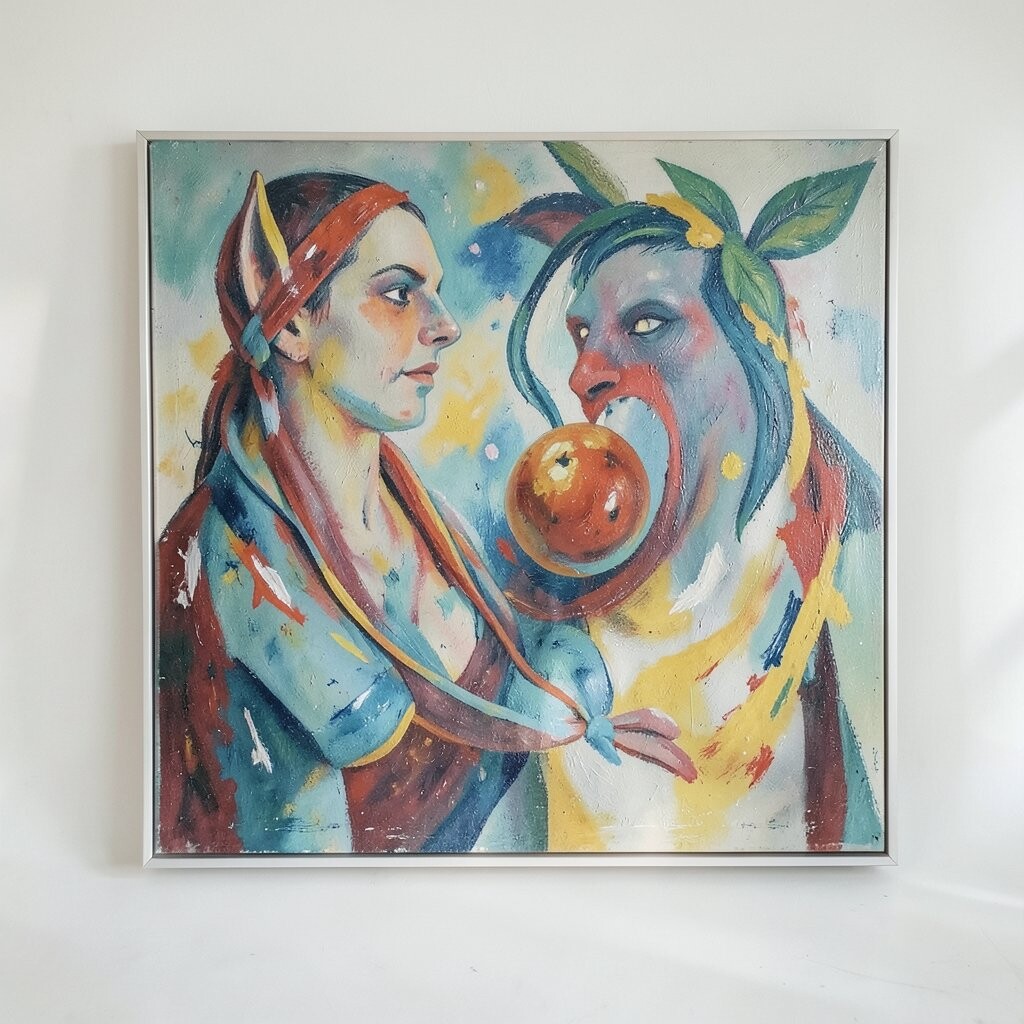
Art requires care and maintenance to keep it looking its best. Dust and grime can dull even the most vibrant pieces.
Regular cleaning preserves art’s beauty and longevity. It’s a small effort for long-term enjoyment.
Use appropriate cleaning materials and techniques for your artwork. This prevents accidental damage or discoloration.
While maintenance might seem like a chore, it protects your investment. Consider it part of the art’s care regimen.
8. Not Considering Multi-Sensory Experiences
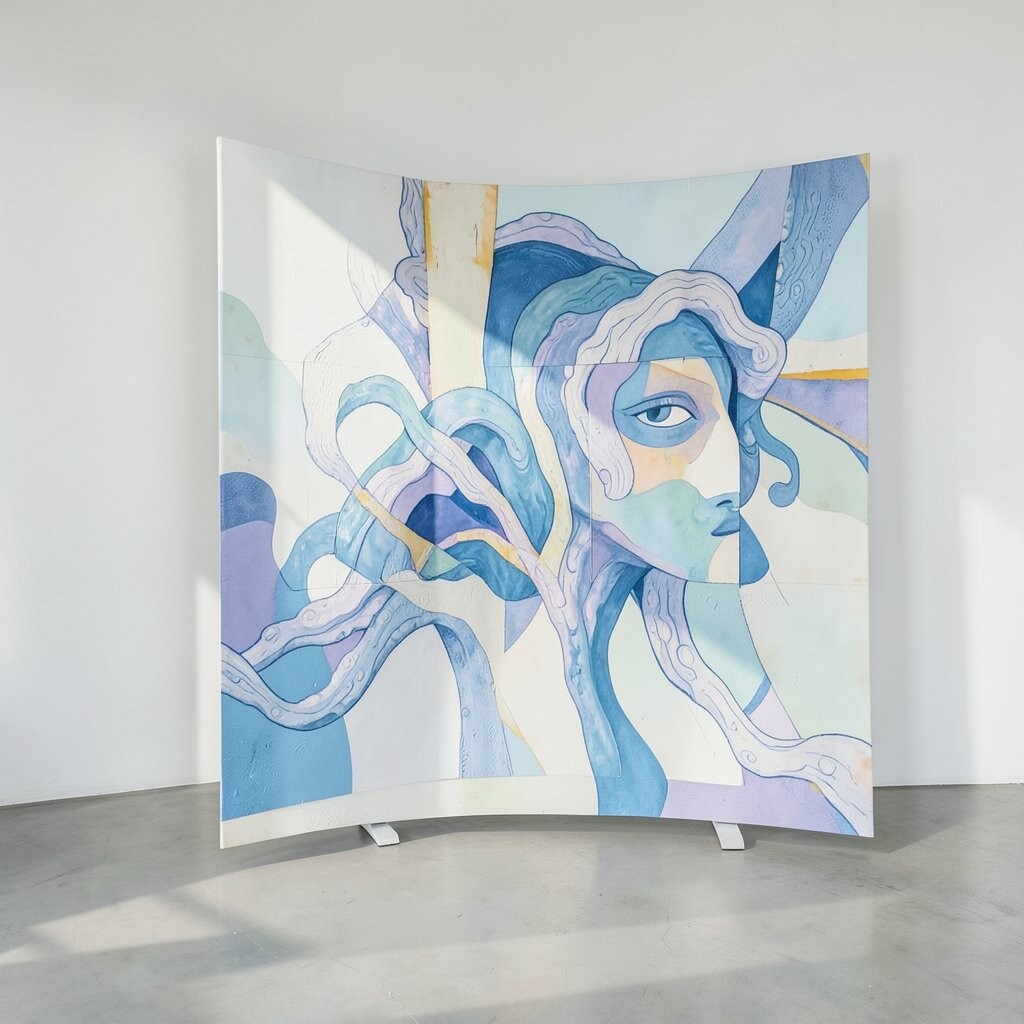
Art isn’t just visual; it can engage other senses too. Think about incorporating elements like sound or scent.
Multi-sensory experiences make art more immersive. They create a fuller, richer interaction with the piece.
Consider adding subtle background music or aroma diffusers. These additions can enhance the overall atmosphere.
While it may add to the cost, the experience is often worth it. It’s about creating a memorable and engaging environment.
9. Overlooking Versatility
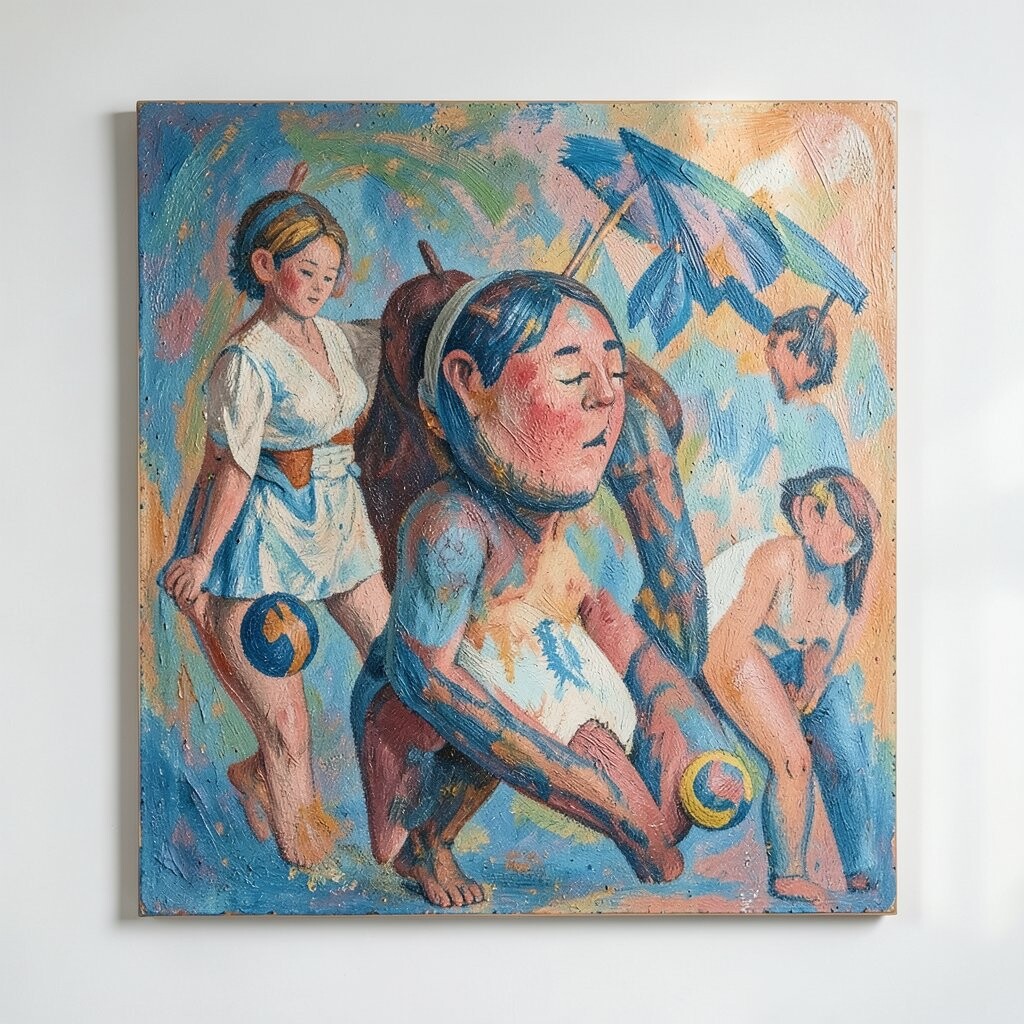
Art that fits only one room limits its potential. Versatile pieces can adapt to different spaces and settings.
Versatility in art ensures it can evolve with your decor. It offers flexibility in how and where you display it.
Choose pieces with colors or themes that work in various settings. This extends the art’s relevance over time.
Though versatile art may cost more, it’s a smart investment. It gives you the freedom to refresh spaces without buying new pieces.
10. Ignoring Scale in Relation to Furniture
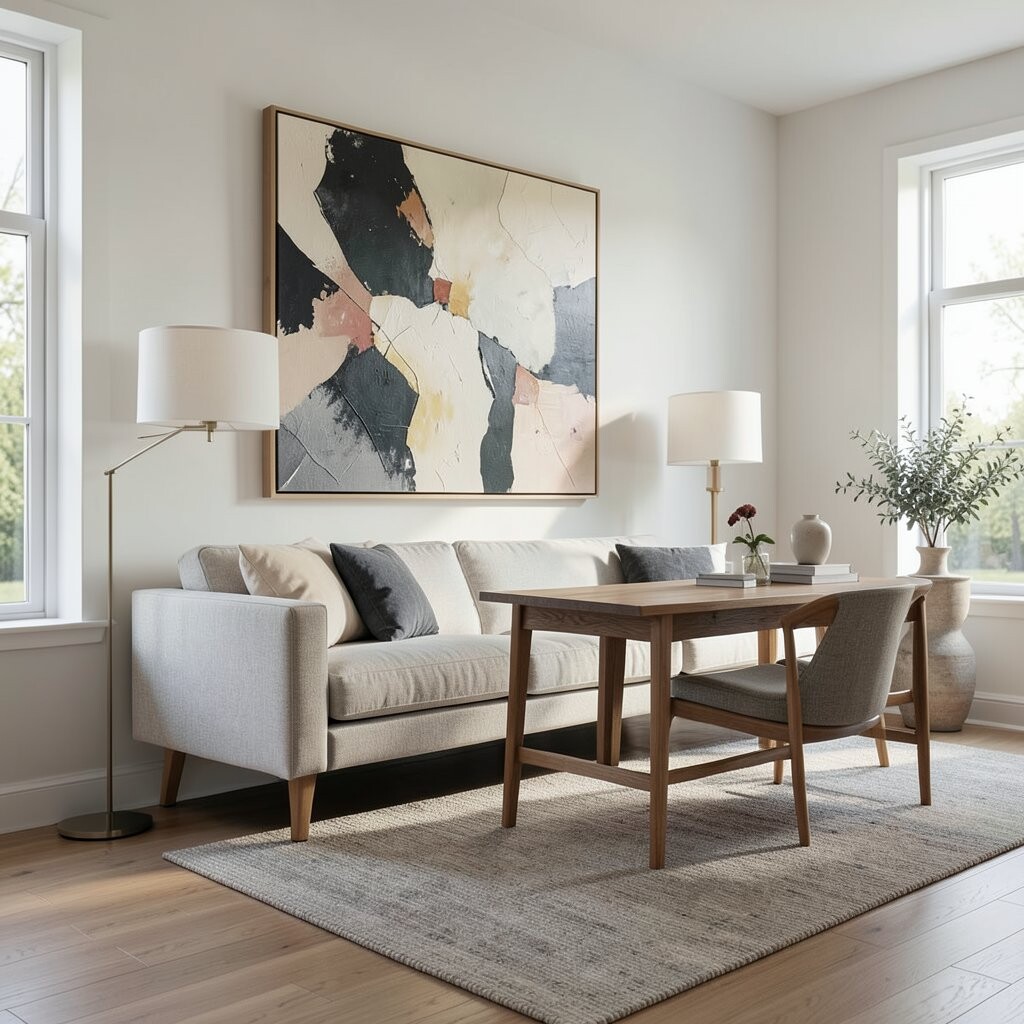
Art should complement, not compete with furniture. The scale of both elements should harmonize for a cohesive look.
Balanced scale creates a unified and pleasing aesthetic. It ensures that neither the art nor the furniture feels out of place.
Consider the size of furniture when choosing art. This helps maintain proportion and visual balance.
Custom-sized art can ensure perfect scale. Though it may add to the cost, the harmony achieved is invaluable.
11. Forgetting the Power of Texture
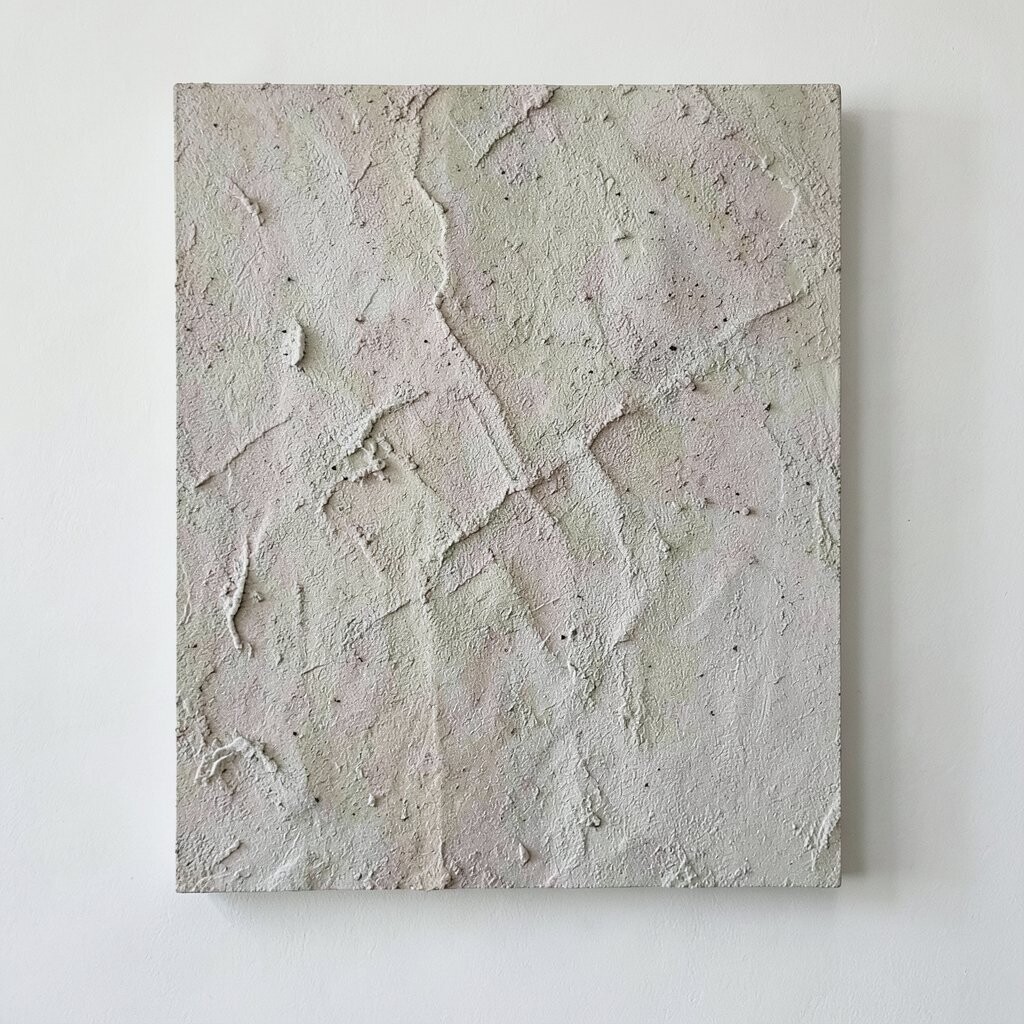
Texture adds dimension and interest to artwork. It can transform a flat image into a tactile experience.
Incorporating texture creates depth and intrigue. It invites viewers to engage with the art on multiple levels.
Explore textured materials or mixed media art. These elements can make a piece more dynamic and interesting.
Textured art might be pricier, but it offers a unique experience. It’s an investment in visual and tactile appeal.
12. Not Using Art to Tell a Story
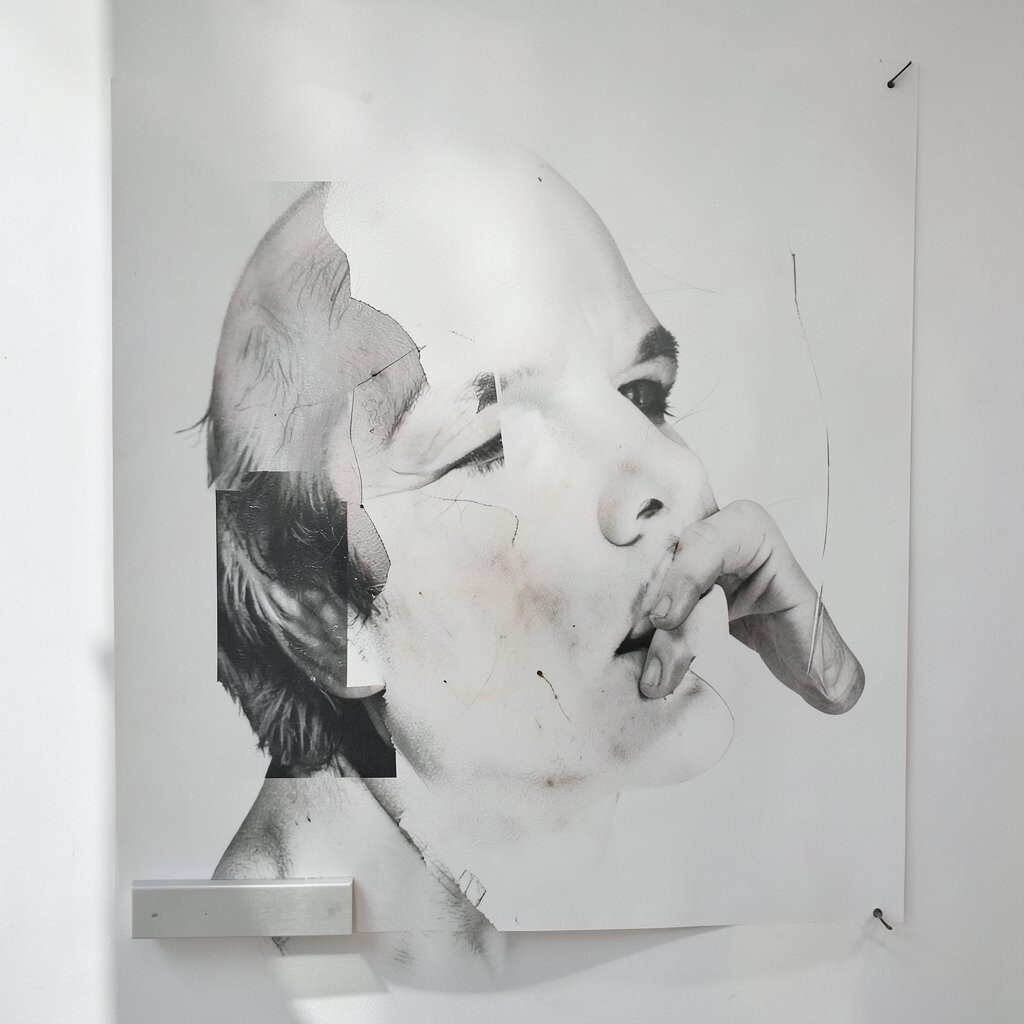
Art is a powerful storytelling tool. It can convey messages, emotions, and narratives that resonate personally.
Storytelling through art adds layers of meaning. It transforms decor into a conversation starter.
Choose pieces that reflect your journey or passions. Personal stories make art more engaging and meaningful.
While personal art might require more thought, it’s worth it. It creates a space that’s uniquely yours.
13. Overlooking the Impact of Color
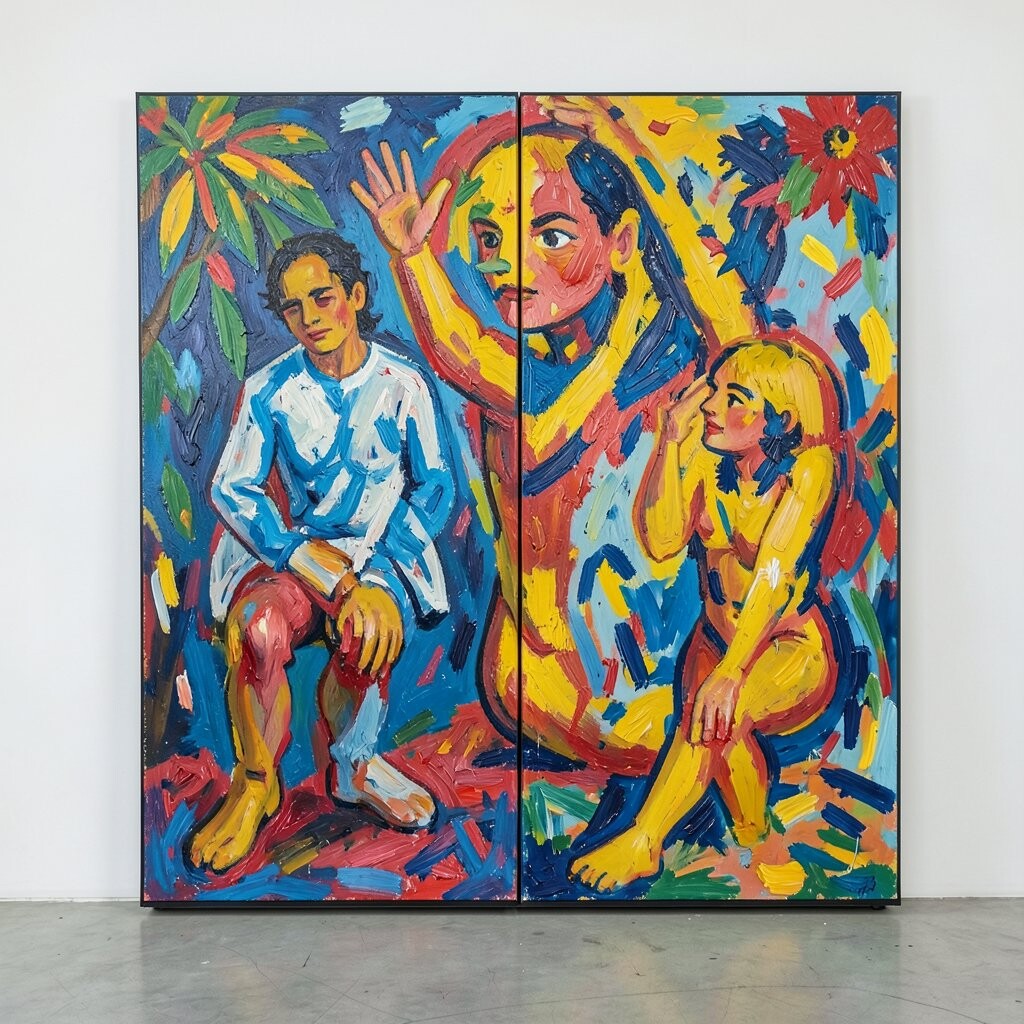
Color can set the tone and mood of a space. The right palette can energize, relax, or inspire creativity.
Art’s color palette influences the room’s atmosphere. It helps in achieving the desired emotional effect.
Study color psychology and choose art that aligns with your goals. Colorful art can have a big impact on space.
While custom color schemes may cost more, they’re impactful. It’s an investment in creating the perfect ambiance.
14. Neglecting the Frame of Mind
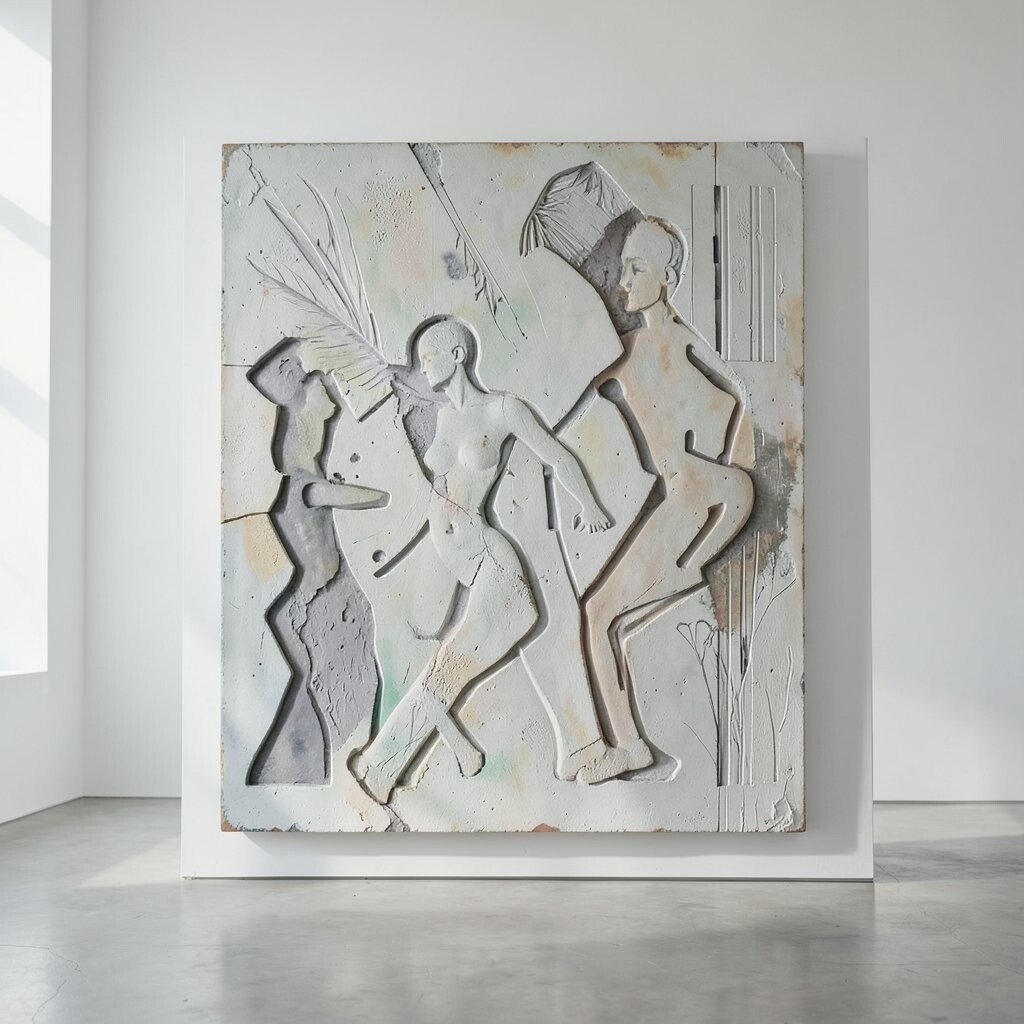
Art should reflect a positive mindset and vibe. Choosing pieces that uplift can influence daily moods.
Positive art enhances well-being and environment. It contributes to a happier, more inspiring space.
Seek art that makes you smile or feel inspired. Personal connections with art can boost daily motivation.
Though it might take time to find, uplifting art is invaluable. It’s an investment in creating a joyful home.
15. Forgetting About Flexibility with Seasonal Changes

Art that adapts with the seasons keeps decor fresh. Rotate pieces to match the changing moods of the year.
Seasonal art refreshes spaces and maintains interest. It keeps your decor dynamic and ever-evolving.
Consider versatile pieces that can transition with ease. This adds longevity and relevance to your art collection.
Though it may require additional pieces, seasonal flexibility is rewarding. It allows for easy updates that keep your space vibrant.
16. Ignoring the Importance of Placement

Where art is placed can affect its impact. The right spot can enhance its presence and appreciation.
Proper placement ensures art is seen and enjoyed. It maximizes both visual and emotional effects.
Experiment with different locations and heights for display. This can change how the art interacts with the room.
Though repositioning might require effort, it’s worthwhile. It helps in finding the perfect balance and focus.
17. Not Considering Art’s Relationship with Nature

Art can bridge the gap between indoors and outdoors. Integrating natural elements creates harmony and flow.
Nature-inspired art enhances tranquility and connection. It brings the calming effects of nature inside.
Look for pieces that mimic or complement natural scenery. This can make a room feel more grounded and serene.
While such art may require careful selection, the peace it brings is priceless. It’s an investment in creating a harmonious space.
18. Neglecting the Emotional Connection
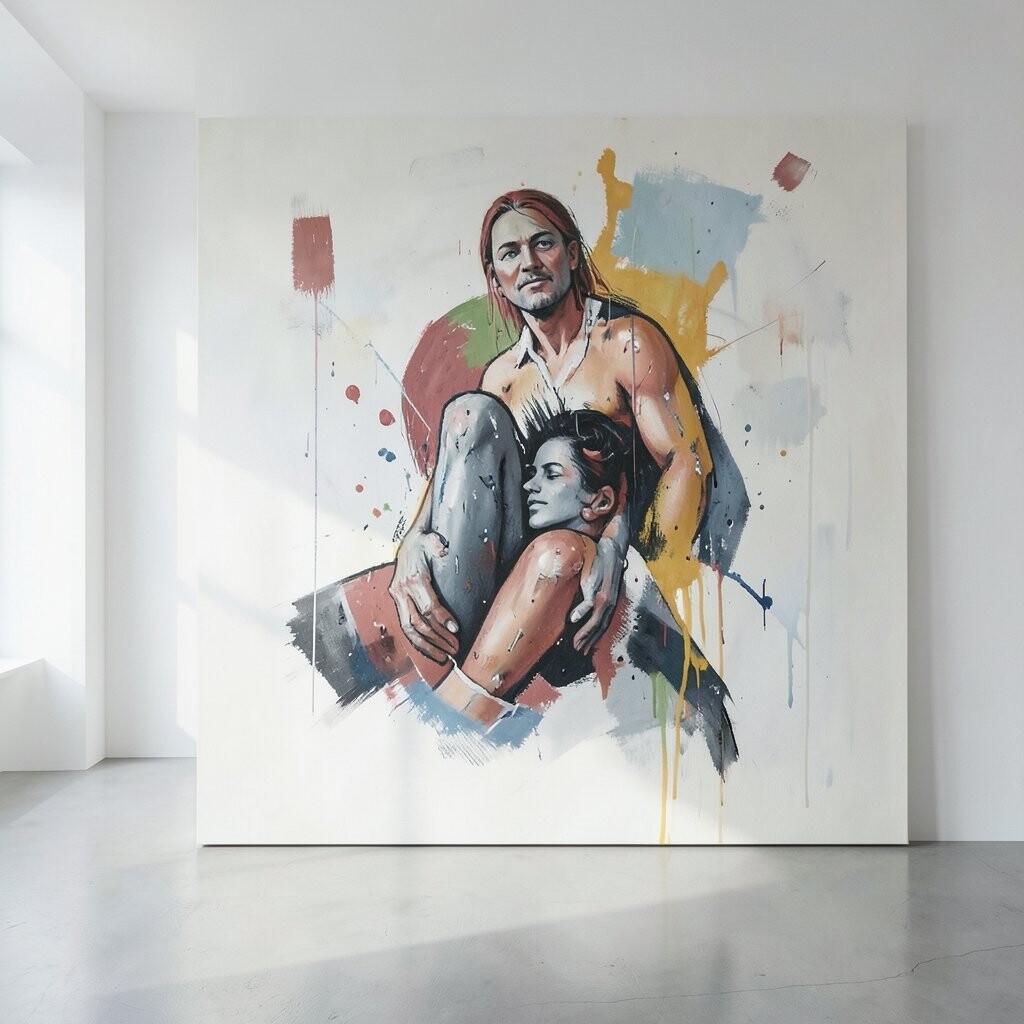
Art should evoke emotions and memories. Pieces that connect with you on a deeper level enrich your space.
Emotional connections make art more than just decor. They add personal significance and warmth to your home.
Choose artworks that resonate with your feelings or experiences. This makes your space feel more authentic and personal.
Though it might require more thought, emotionally connected art is fulfilling. It’s an investment in a meaningful, personalized environment.