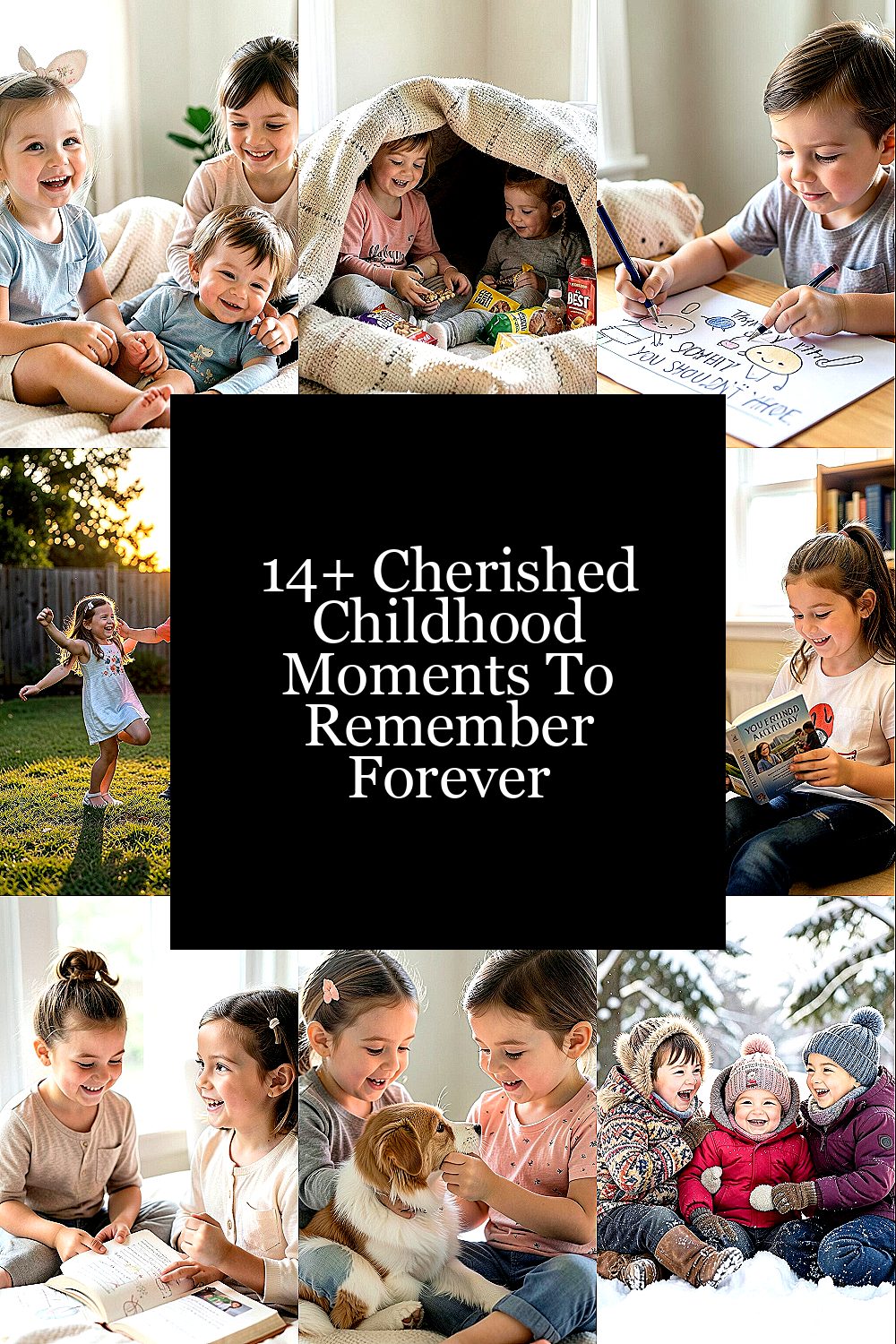
I can still picture those small scenes that felt enormous at the time. They sit in my mind like warm light, even years later.
1. The First Morning You Realized You Had a New Secret
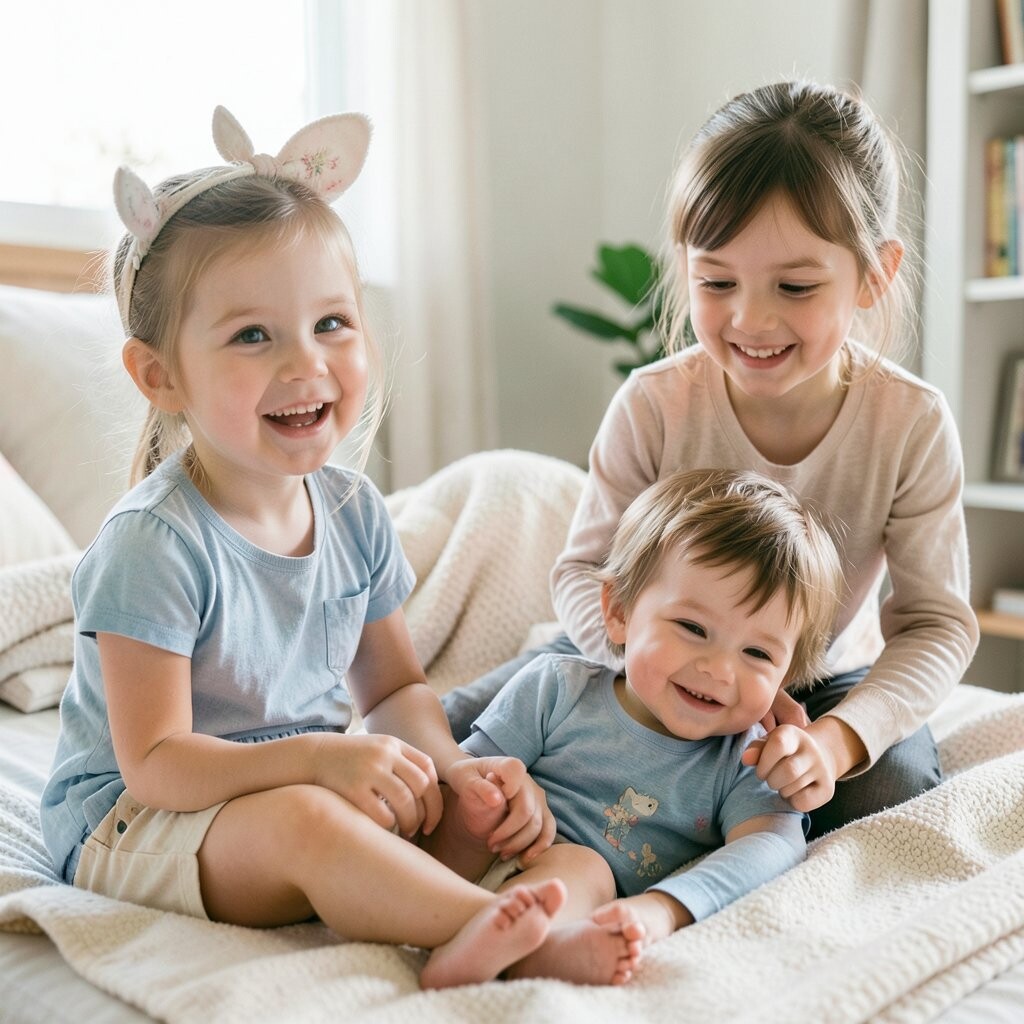
The day your grown-up told you to keep something just for you felt exciting and important. You probably ran your errands slower so you could soak up the quiet thrill of holding a secret.
You may remember the room where you sat, the shade of the morning sunlight, and the way your heart beat a little faster when you heard someone else coming. That moment helped you practice trust and self-control, because secrets are really about careful respect.
2. The Blanket Fort With the Best Hidden Snacks
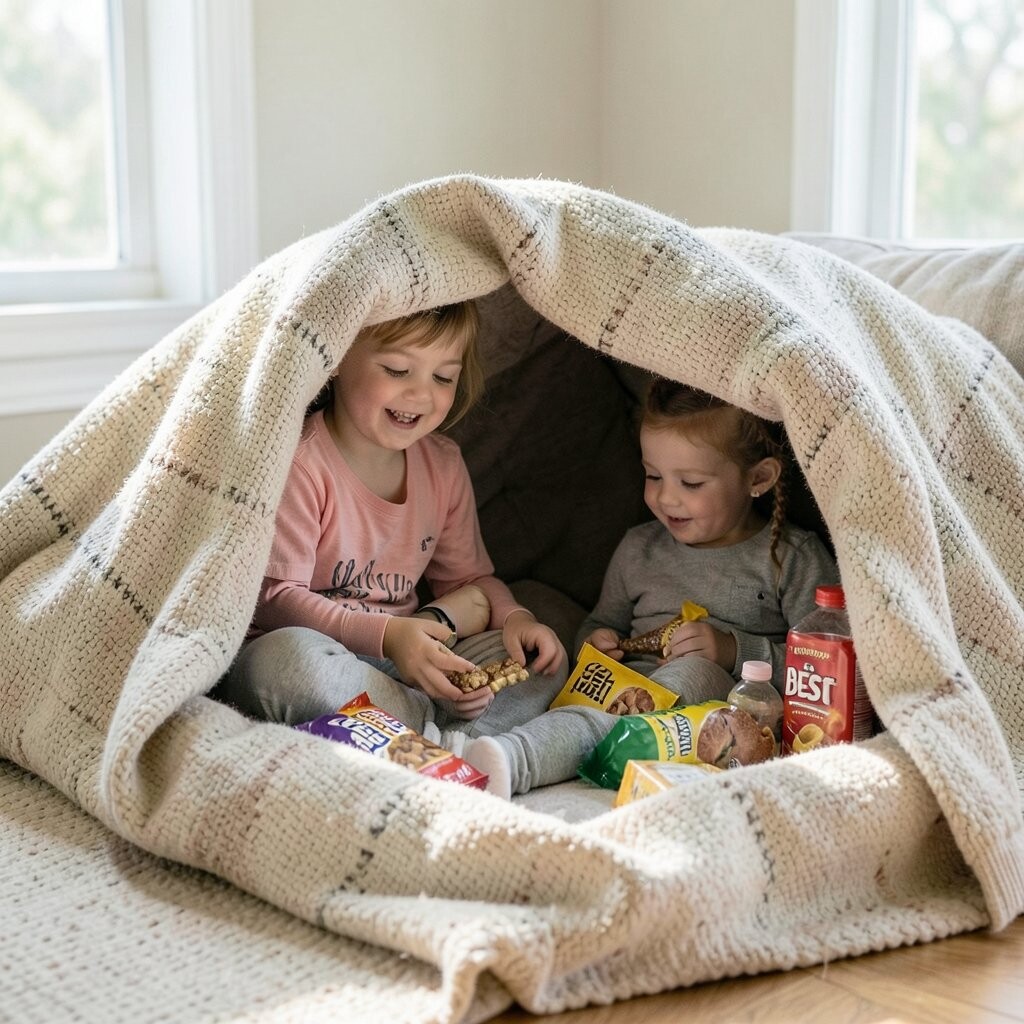
You built a tiny world with couch cushions, sheets, and borrowed lights. The air inside always felt cooler, and the corners smelled like laundry soap and imagination.
Your fort became a place where you shared small bites and big laughs, sometimes with rules made up on the spot. It teaches social skills too, because even pretend games need cooperation, turn-taking, and clear signals.
If you want to recreate the vibe now, use what you already have and keep it simple, like a chair shelter or a “movie lane” with string lights. For cost, you can skip fancy supplies and use old blankets, plus one or two special treats to make it feel extra.
3. The Day You Drew on Something You Shouldn’t Have
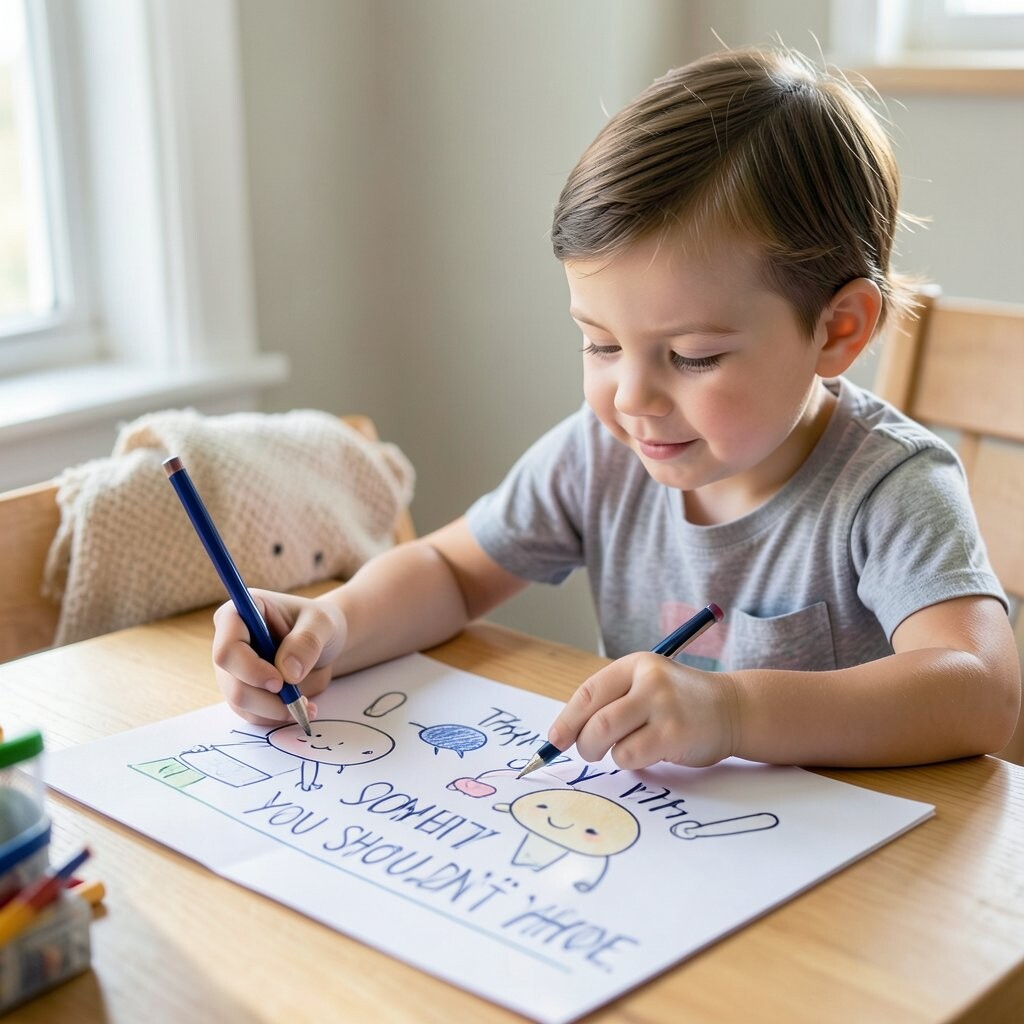
Maybe you decorated the wrong paper, colored a wall, or left a marker trail on a book. What stands out is often the shock in the moment, followed by the silent scramble to fix it.
You remember the smudges, the bright colors that looked bold and fearless, and the way your face heated when you sensed trouble. Even though it was messy, it showed how strongly you wanted to create and be seen.
When you replay this memory kindly, you get a gentle reminder that mistakes can be part of growing up. A practical way to honor that urge now is to set up an art zone with washable supplies, so you can keep the joy without the worry.
You can also personalize it by making a “messy masterpiece” night with old newspapers and a story prompt for your drawings. Many craft basics are inexpensive, and thrift stores can be a great source for sketchpads and markers.
4. The Backyard Shadow-Dance at Sunset

The evening sky slowly turned orange, and you stretched your arms to match the shape of your shadow. You probably tried poses again and again, then giggled when your feet made weird angles.
That moment is pure sensory magic, with heat fading from the grass, birds calling overhead, and the ground shining softly. It helps you notice your body in space, and it builds confidence because your playful movements are never judged.
To bring it back, grab a flashlight and try “shadow theater” on a wall, using simple props like paper circles or leaves. If you want a current touch, make a short video with your phone so you can compare your movements across seasons.
5. The Vacation Where You Collected Tiny Treasures
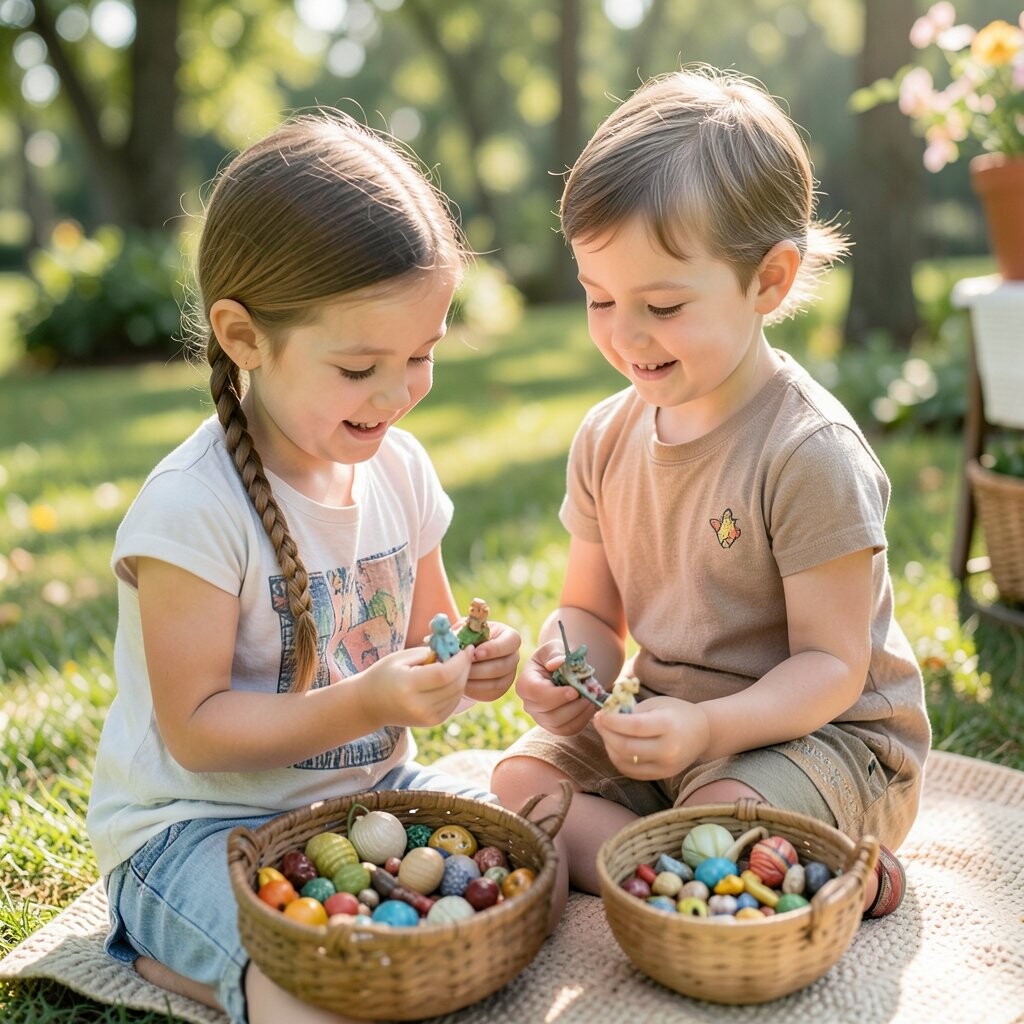
Some kids bring home postcards, but others keep pebbles, ticket stubs, and little shells. You might remember the bucket you used, the careful sorting, and how every item felt connected to a specific place.
Those collections are unique because they are made from your own curiosity, not a list someone gave you. You learn patience and memory skills when you look closely at small things instead of rushing past them.
To recreate the ritual, pick one “treasure type” for each outing, like smooth stones or museum wristbands. It can stay budget-friendly by using freebies from nature and events, and you can personalize the meaning by writing a one-line memory on a folded card to keep with each item.
6. The Library Day When You Found a Book That Felt Like a Friend
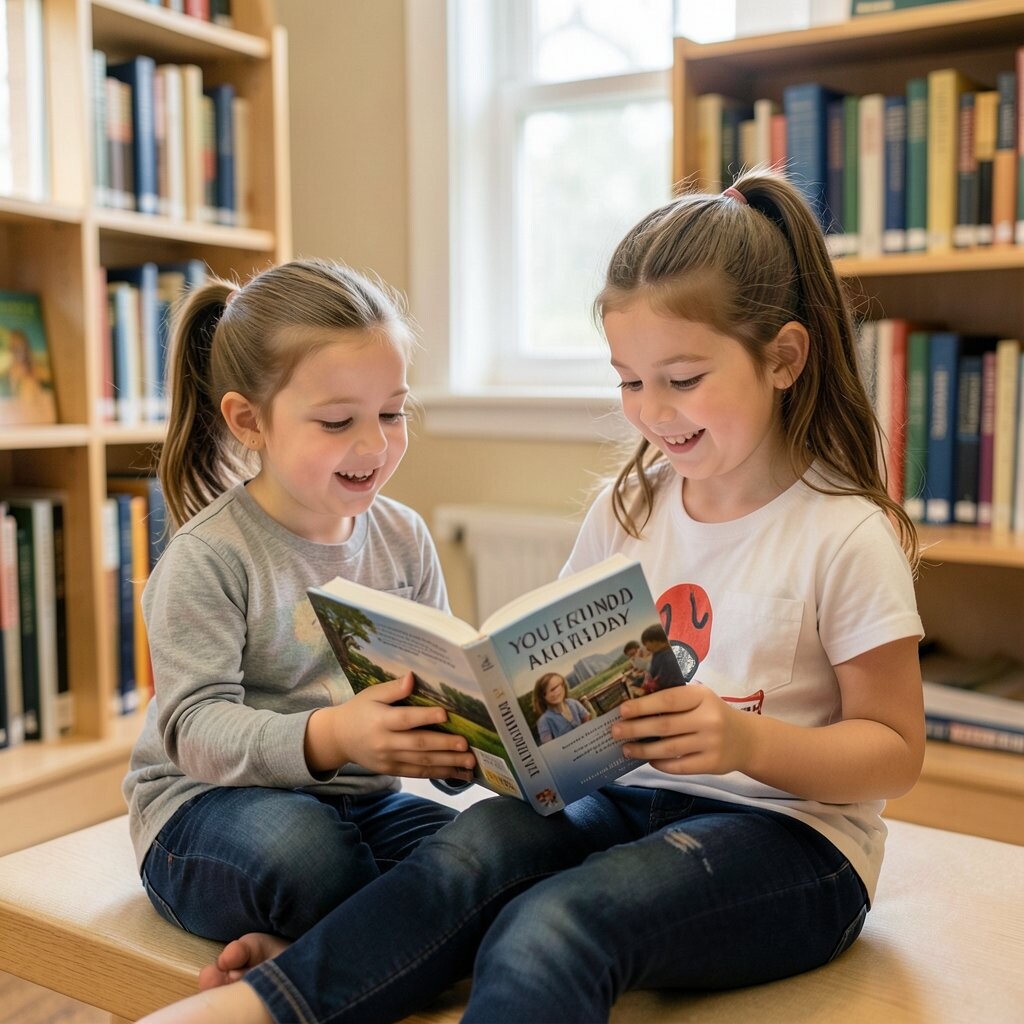
You remember the carpet texture, the quiet rules, and the comforting smell of pages. When you opened that one book, it felt like someone understood your thoughts before you could say them out loud.
That kind of reading memory brings benefits that last, because it strengthens imagination and language in a way that feels natural. It also teaches you to choose what fits you, since a favorite story often grows around your changing moods.
Try this again by making a mini “friend search” at your local library or bookstore, choosing books by vibe instead of just topic. Many places offer free events, and you can keep costs low by borrowing instead of buying, then adding just one low-price book to your own shelf.
7. The Night You Learned a Lullaby Word for Word

Someone sang the same lines again and again until you finally matched the tune. You may recall the gentle rhythm, the soft faces around you, and the way your body relaxed without trying.
Learning a lullaby builds hearing skills and helps you handle big feelings with calm. It’s unique too, because the song’s rhythm becomes a personal comfort you carry.
If you want to recreate the comfort, choose a song your family already knows and sing it during bedtime routines. A practical option is to use a recorded version on your phone so you can practice together, and it costs nothing beyond what you already have.
Personalize it by swapping in a favorite name or making a silly verse about your cozy blanket. That tiny change can turn an old lullaby into your new family tradition.
8. The First Time You Fed a Pet and Felt Responsible

Maybe you handed a bowl to a cat, sprinkled kibble to a dog, or poured water carefully into a fish tank. The scene might stick because you felt the difference between “playing” and “caring.”
You remember the sound of nails on the floor or the gentle slurp of a bowl, and you probably watched closely for signs of comfort. That moment offers benefits that go far beyond pets, since responsibility builds patience and empathy.
To bring back the feeling, take a small care role even if you don’t own an animal, like helping a neighbor water plants or feeding a community garden bench planter. For cost, most caring tasks use simple supplies, and you can ask for guidance so you do it safely.
9. The Snow Day Where You Became a Kid Again
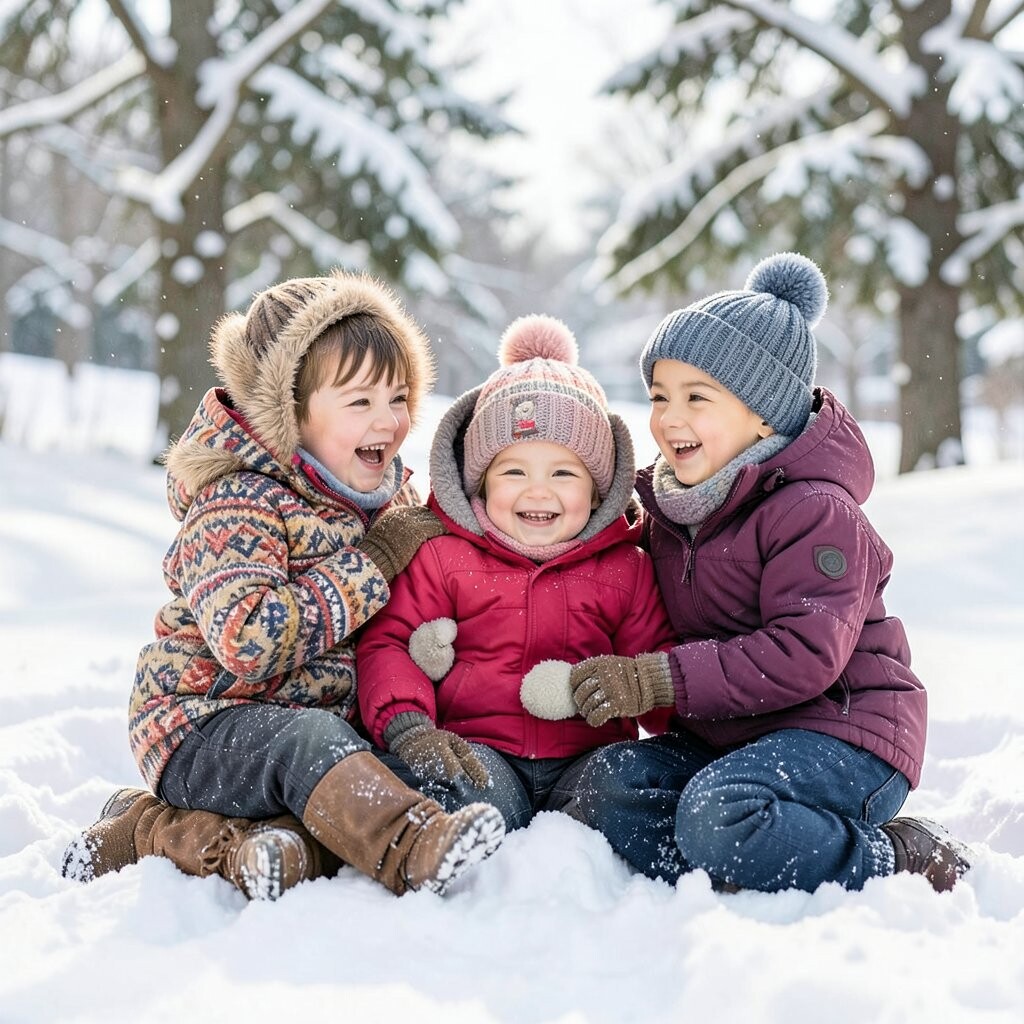
The whole neighborhood looked paused, with rooftops dusted in quiet white. You remember the crisp air, the squeak of boots, and the thrill of hearing everyone outside at once.
Snow days hold uniqueness because they change the rules of normal life, turning errands into adventures. They also offer benefits for mood and movement since building, sliding, and running help your body feel strong and your mind feel light.
Try it again whenever the weather gives a chance by making a “snow plan” with simple goals, like one snow angel and one warm drink. If snow is rare, you can personalize the spirit at home using bubble wrap “snow prints” on a driveway or a snow-day playlist, which is a low-cost way to keep the fun alive.
10. The Rainy Afternoon When Everything Smelled Different

Rain changes the world in a way you can almost taste, especially after the first drops hit. You may remember standing at a window, hearing the steady tapping, while puddles formed like slow mirrors.
That memory is special because you learned how weather can set a mood without telling you why. It improves observation skills, and it encourages calm, since rain often makes people speak more softly.
To recreate it, sit by a window with a snack and watch how the street changes, then write down a few details on paper. Current trends make this easier too, because lots of people now do “sensory walks” and photo journaling, and you can do the same without spending money.
11. The School Show-and-Tell With Your Favorite Object
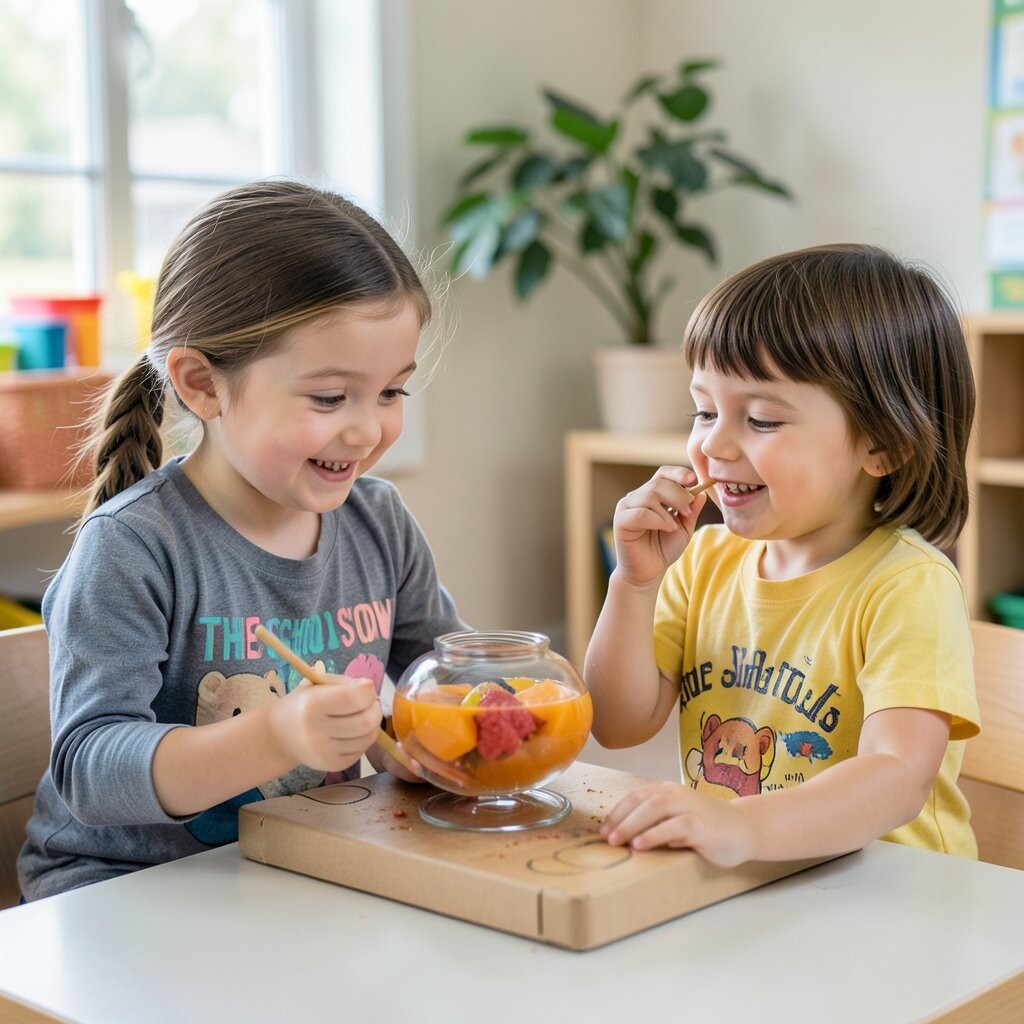
You held your chosen item like it was the crown of your day. The hallway lights might feel too bright in your memory, but you still remember the pride of having something worth sharing.
Sharing teaches communication and confidence, and it helps you learn how to organize your thoughts. It’s also unique because your object mattered to you, not because it was expensive.
To make this idea work today, pick a “show-and-tell” theme for friends or family, like something you built, something you found, or something that helped you learn. If you’re thinking about cost, the best props are usually homemade, borrowed, or found, and that keeps it budget-friendly.
Personalize the moment by turning the story into a mini game, where everyone guesses the object’s purpose before you explain. That keeps the fun moving and makes your memory extra sticky.
12. The Weekend Morning Pancake Smell That Meant Freedom
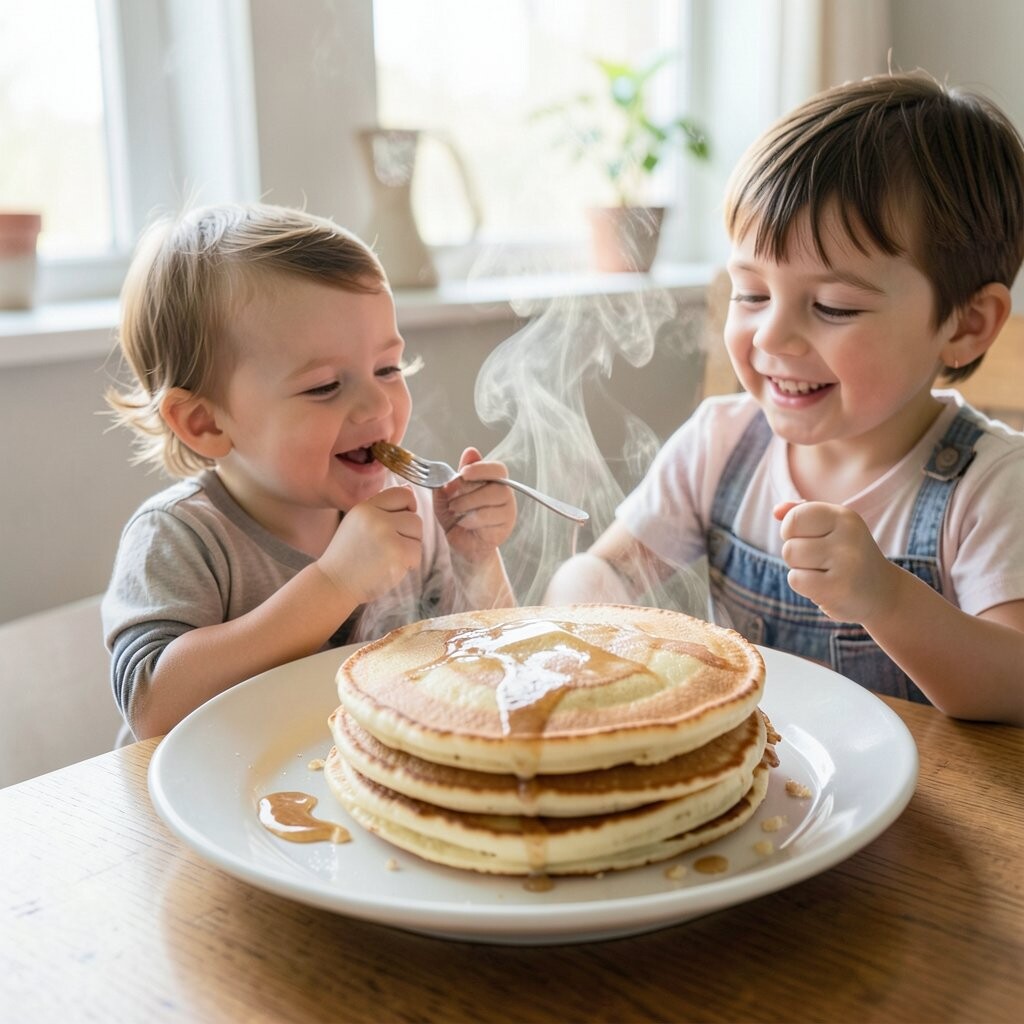
Waking up to the warm smell of pancakes felt like a special code for the day to be good. You may remember the sound of the pan sizzling, the syrup glimmering, and everyone moving a little slower.
Food memories often bring big comfort benefits, because they connect home routines with safety. They are unique in your family way, since the first bite is tied to your people, your kitchen, and your favorite plate.
To recreate it now, try making pancakes or waffles using a recipe you already trust and let kids choose toppings. For cost considerations, stick to simple ingredients and use what’s in your pantry, which keeps the treat affordable.
Personalize the experience by making a “breakfast color” theme, like berries for red, bananas for yellow, and nuts for brown. Even simple choices can feel celebratory when you plate them like a tiny art project.
13. The Bicycle Ride With the Wind in Your Shirt
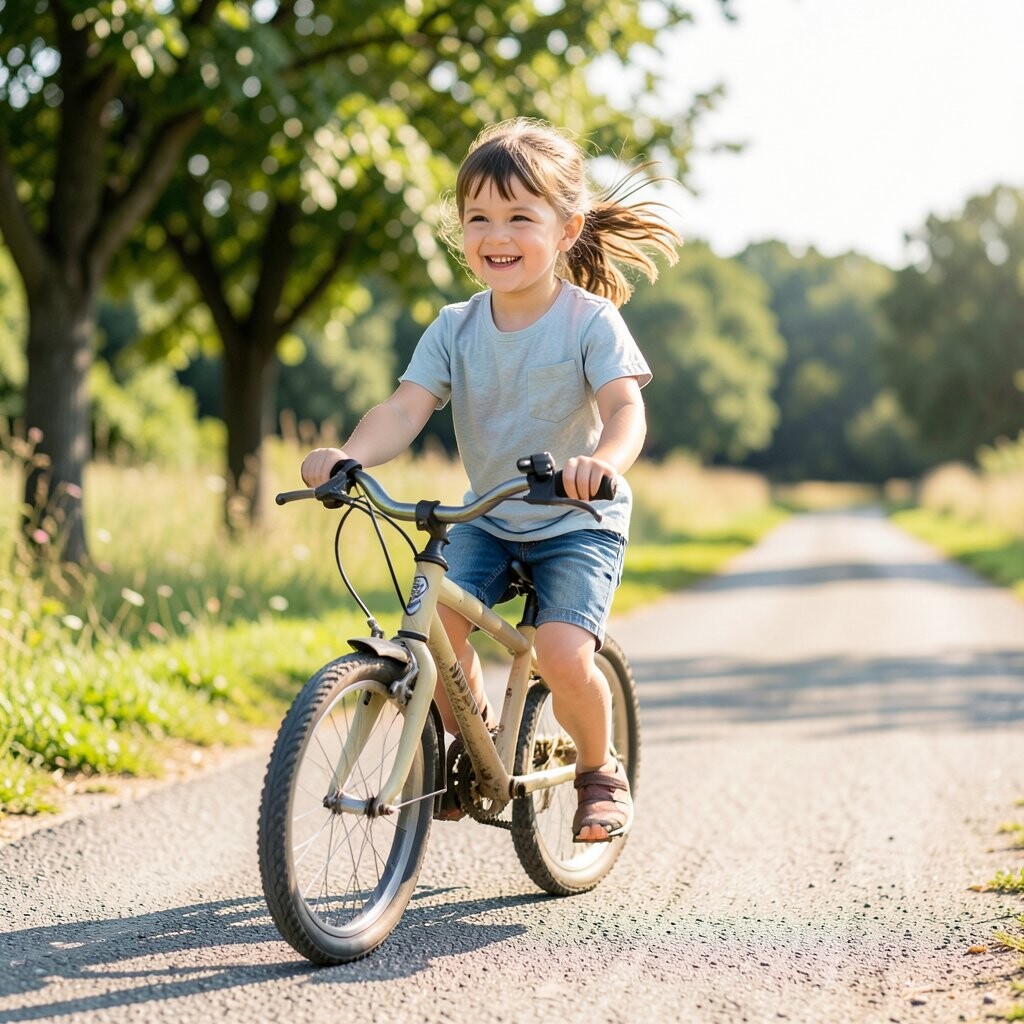
Your first real biking success might have come with shaky starts and sudden balance. You remember the wind pulling at your sleeves and the way your breath changed as you gained confidence.
That moment is unique because it’s written into your muscles, and it turns fear into skill. The benefits are real too, since biking builds coordination and endurance while giving you space to think.
To recreate the joy, practice on a quiet route with clear goals, like reaching one corner or riding to a safe landmark. It can be low cost if you borrow a bike, use a helmet you already have, and keep the ride short, because repetition is what builds mastery.
14. The Concert of Household Sounds You Created While Playing Music
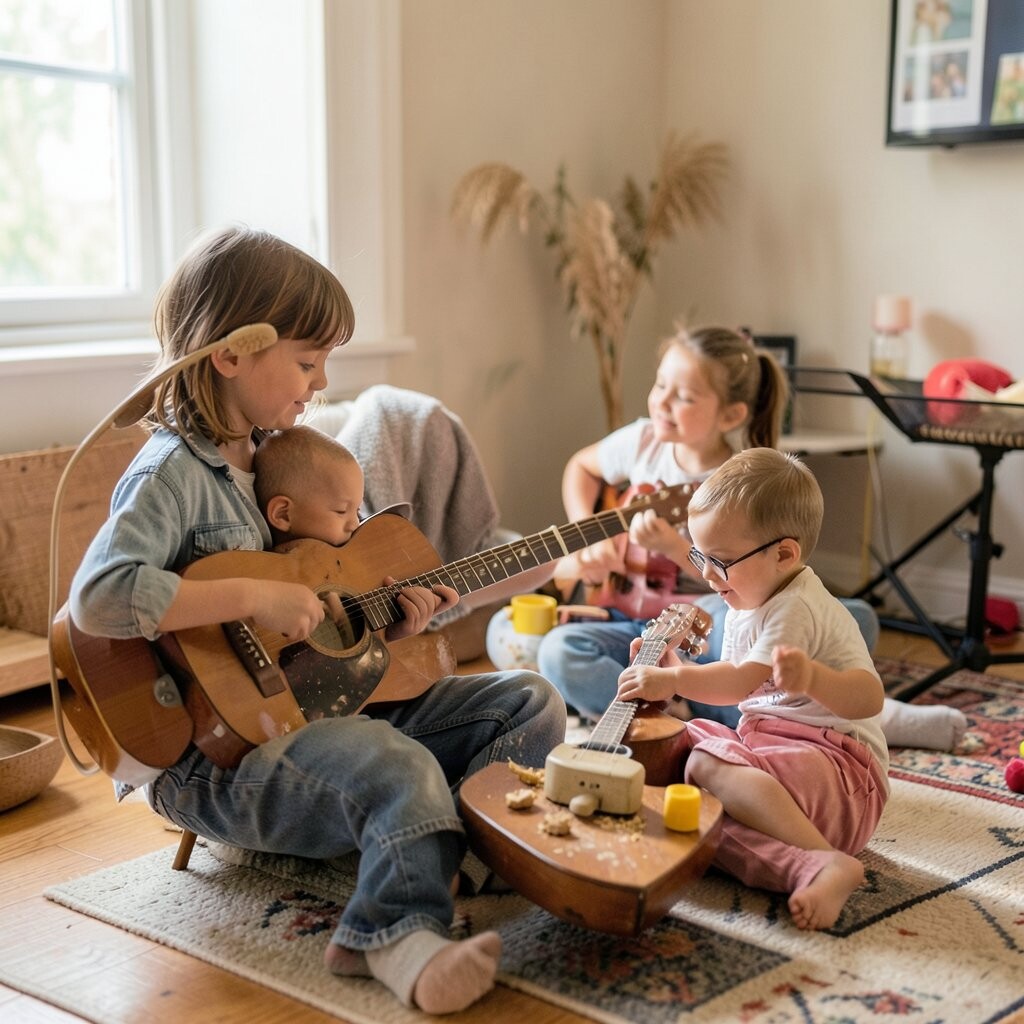
You might have banged pots, tapped spoons, or used a box as a drum. The “music” may not have been perfect, but it felt like a whole band when you were inside the moment.
Playing with sound helps your brain learn patterns, rhythm, and timing in a way that feels like play. It also gives you a safe way to express energy, especially when you don’t have words for your feelings yet.
To bring it back, collect household instruments like rhythm sticks, a plastic container, or a taped-together tambourine. A practical way to keep it organized is to make a “play set” in one bin so you can start quickly, and you can keep costs minimal by using what you already own.
Personalize it by choosing a theme, such as “rain music” with soft tapping or “space beats” with stomps. Even today, plenty of creative creators post simple home percussion videos, and you can take a family clip for your own timeline.
15. The Day You Built Something and It Actually Worked
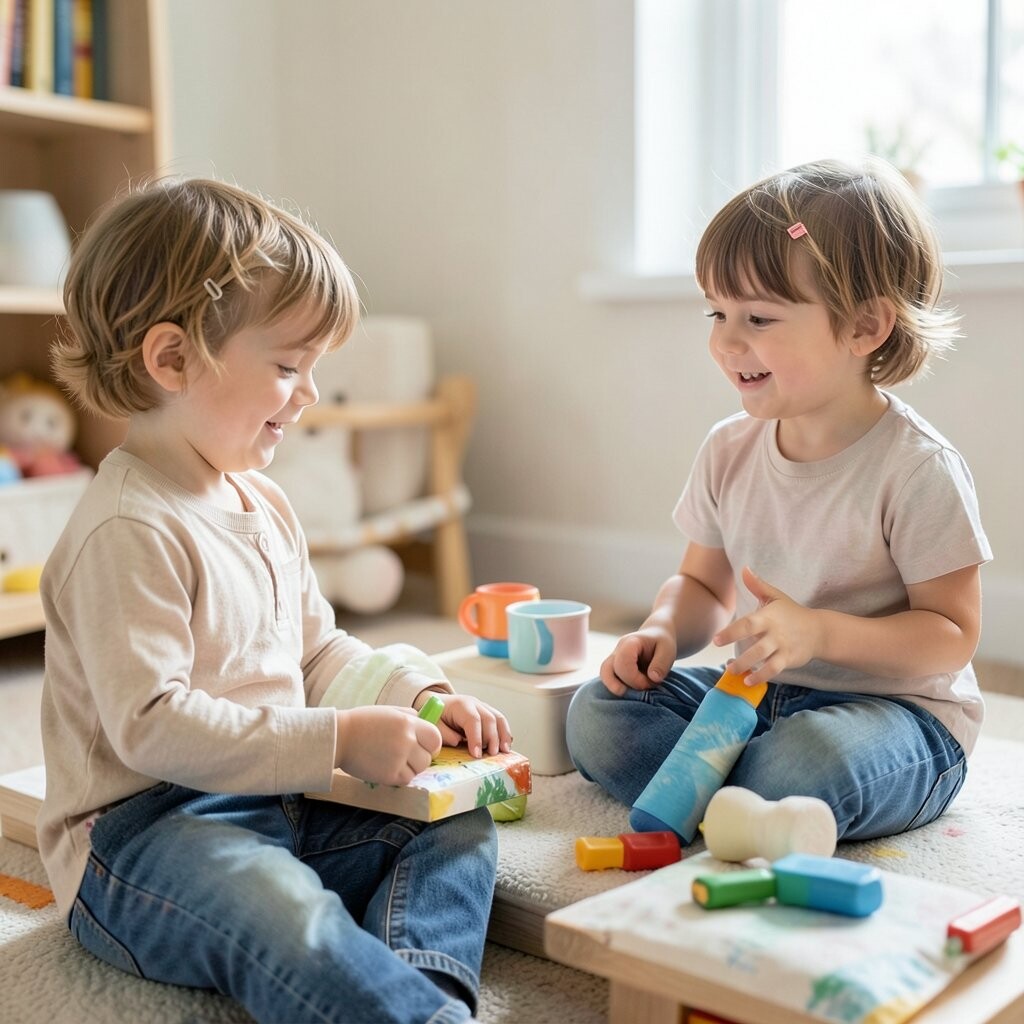
You may have made a treehouse plan, stacked blocks into a structure, or assembled a simple craft kit. What you remember most is the moment it stood, when your smile arrived before anyone clapped.
Building something that works is uniquely powerful because it connects effort to results in your own hands. The benefits spread beyond pride, since it grows problem-solving, focus, and resilience for future challenges.
To recreate the feeling, choose a small build you can finish in one sitting, like a model with a short instruction list or a craft with a clear end point. Cost is often surprisingly low if you use recycled materials and only buy one missing item, like glue sticks or safe scissors.
Personalize the outcome by naming your creation and photographing it with a silly “pose,” then keeping the photo in a folder titled by the season. That small step turns a regular day into a memory you can revisit anytime you need a boost.