
Imagine walking into a room that takes your breath away with its beauty. You can feel the energy, the creativity, and the passion that fills the space. This is the magic of large-scale art, where every detail matters and every choice counts.
1. Bold Color Choices

Choosing bold colors can make your art pop and grab attention. These colors can express strong emotions, tell stories, and create a lively atmosphere.
Bright hues like red or blue can energize a space, while pastels offer a softer touch. Mixing and matching these shades can result in captivating designs that are truly one-of-a-kind.
To personalize, consider the mood you want to convey in your room. Think about the colors that make you feel the most inspired and happy.
Bold colors don’t have to be expensive. Look for budget-friendly paint options or consider DIY projects to keep costs down.
2. Texture Play
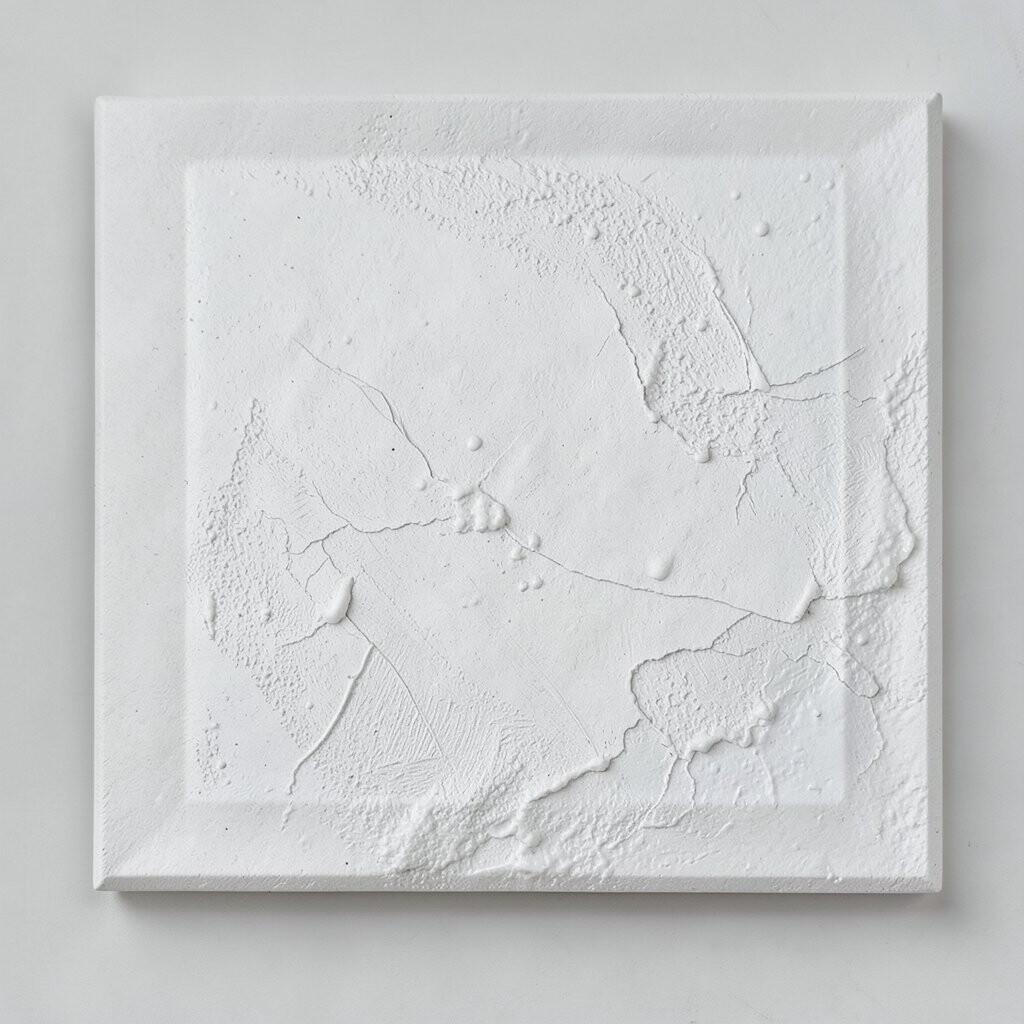
Textures add depth and interest to art pieces. They can make your artwork feel more alive and tactile.
Incorporate different materials like fabric, paper, or metal. This can create a multi-dimensional effect that draws people in.
Think about combining smooth and rough textures for a balanced look. This mix can create visual harmony and intrigue.
Experimenting with textures can be cost-effective. Use items you already have at home or find inexpensive materials at craft stores.
3. Oversized Canvas

An oversized canvas can be the star of the room. It provides a large surface to express your creativity and ideas.
With such a large area, you can experiment with different styles and techniques. It can be a great way to make a dramatic statement.
Consider the space where the canvas will hang. Make sure it fits well and complements the room’s overall design.
Oversized canvases can be pricey, but look for sales or consider building your own frame for a more affordable option.
4. Minimalist Designs
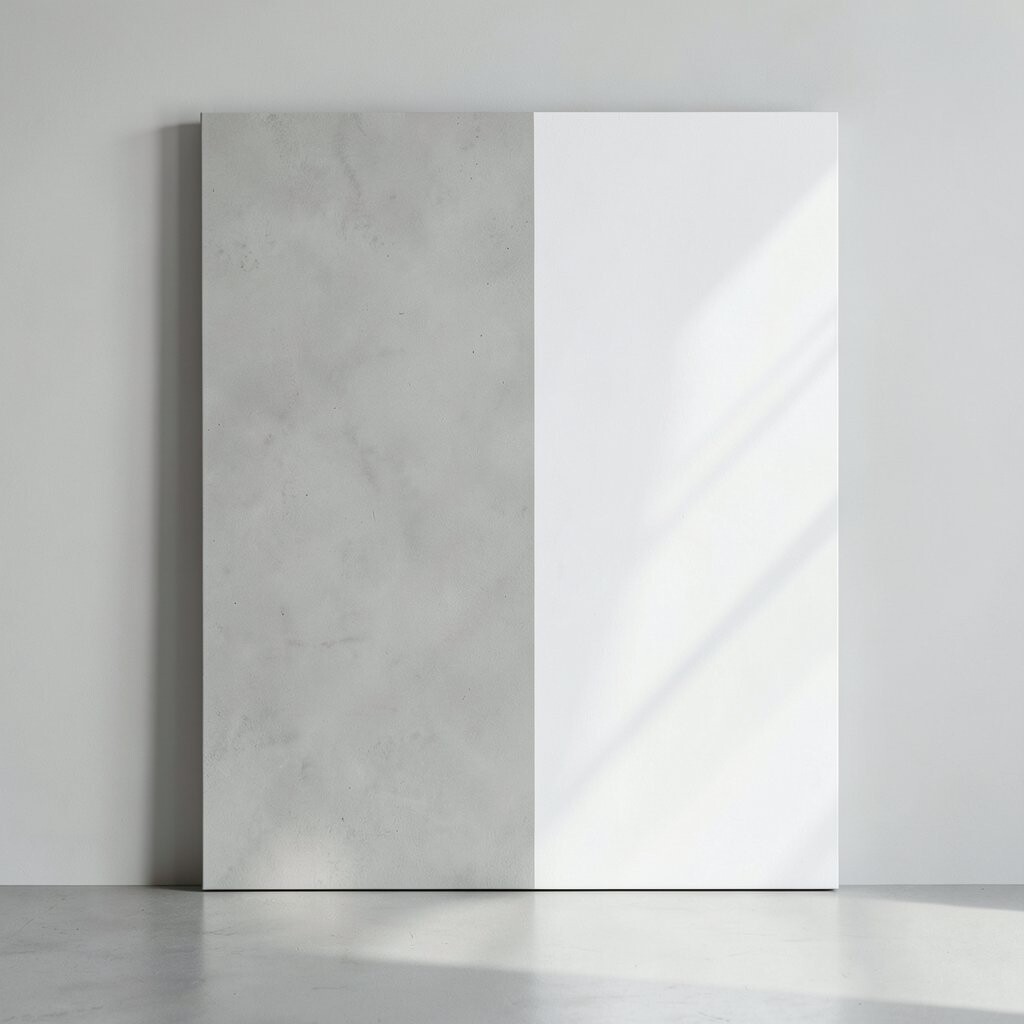
Minimalist art focuses on simplicity and clean lines. It can create a peaceful and uncluttered feeling in your space.
By using fewer elements, the art can have a strong impact without being overwhelming. This style is timeless and versatile.
When creating minimalist art, think about the essentials. Which elements are most important, and how can you highlight them?
Minimalist designs can be budget-friendly. Use basic colors and shapes to keep costs low while still achieving a striking look.
5. Statement Murals
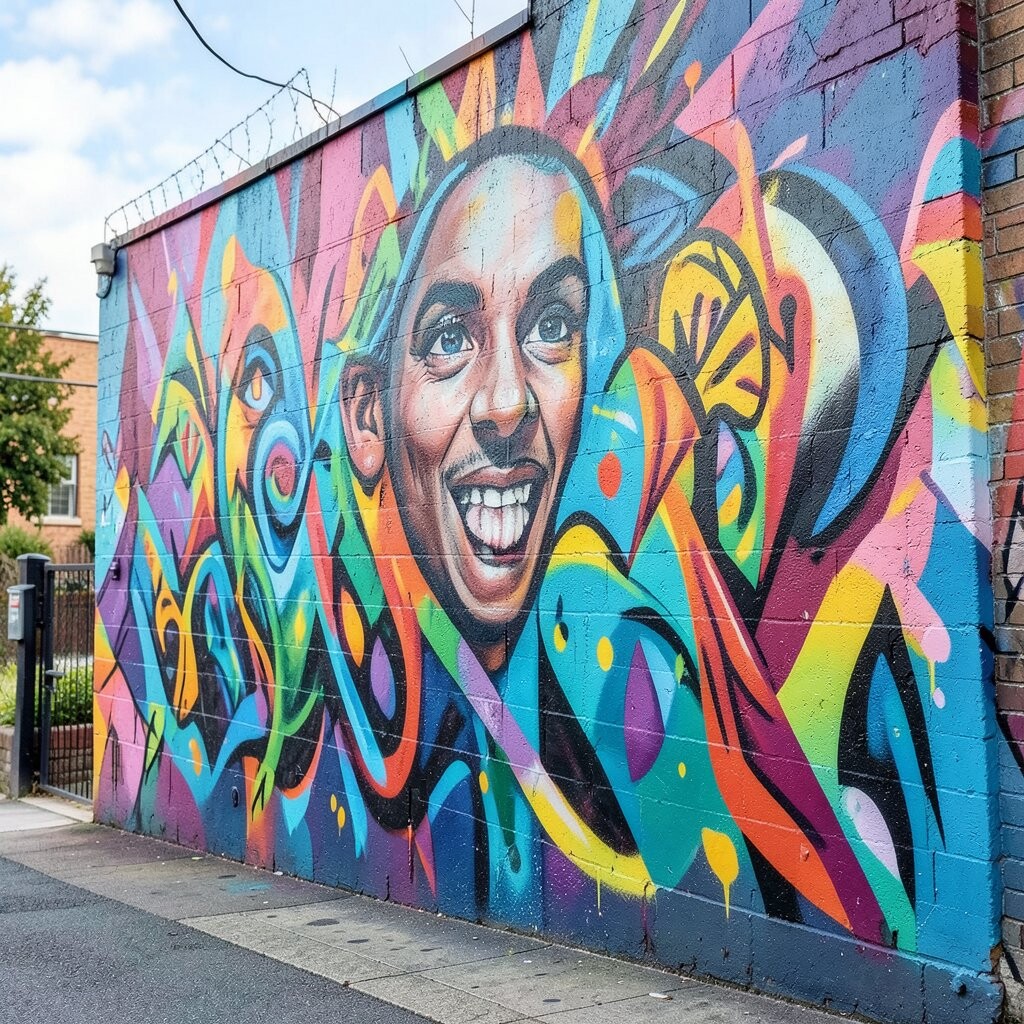
Murals can transform an entire wall into a work of art. They tell a story and can be a conversation starter in any room.
With a mural, you have the freedom to use large-scale imagery and vibrant colors. It can make a room feel like an art gallery.
When planning a mural, consider the theme and how it fits with the rest of your decor. You want it to enhance the space, not clash with it.
Murals can vary in cost depending on their complexity. DIY options can save money, or hire a local artist for a personalized touch.
6. Gallery Wall
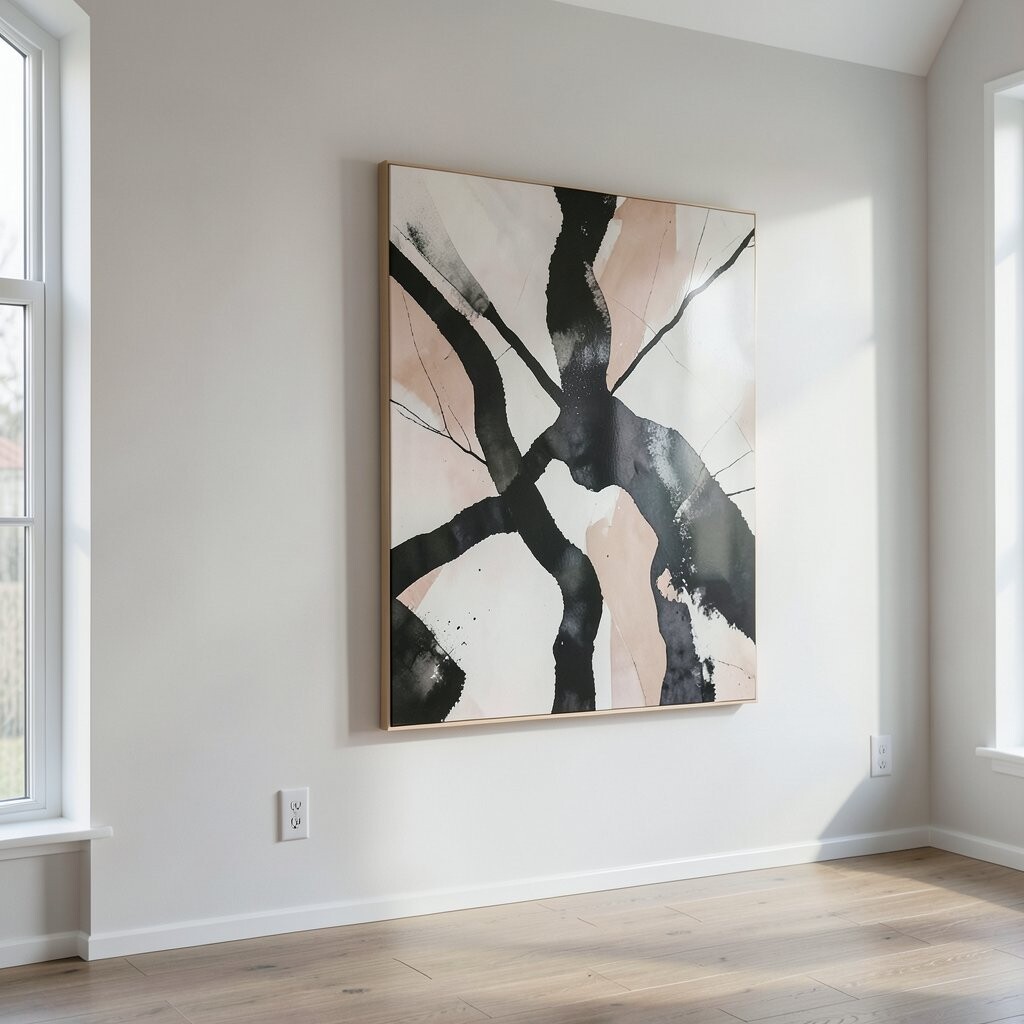
A gallery wall is a collection of artworks displayed together. It’s a way to showcase multiple pieces and create an eclectic look.
This setup allows you to mix and match different styles and mediums. It can reflect your personality and interests.
To personalize, choose pieces that resonate with you and arrange them in a way that feels cohesive. Balance is key.
Creating a gallery wall can be done on a budget. Thrift stores or online marketplaces often have affordable art prints.
7. Mixed Media
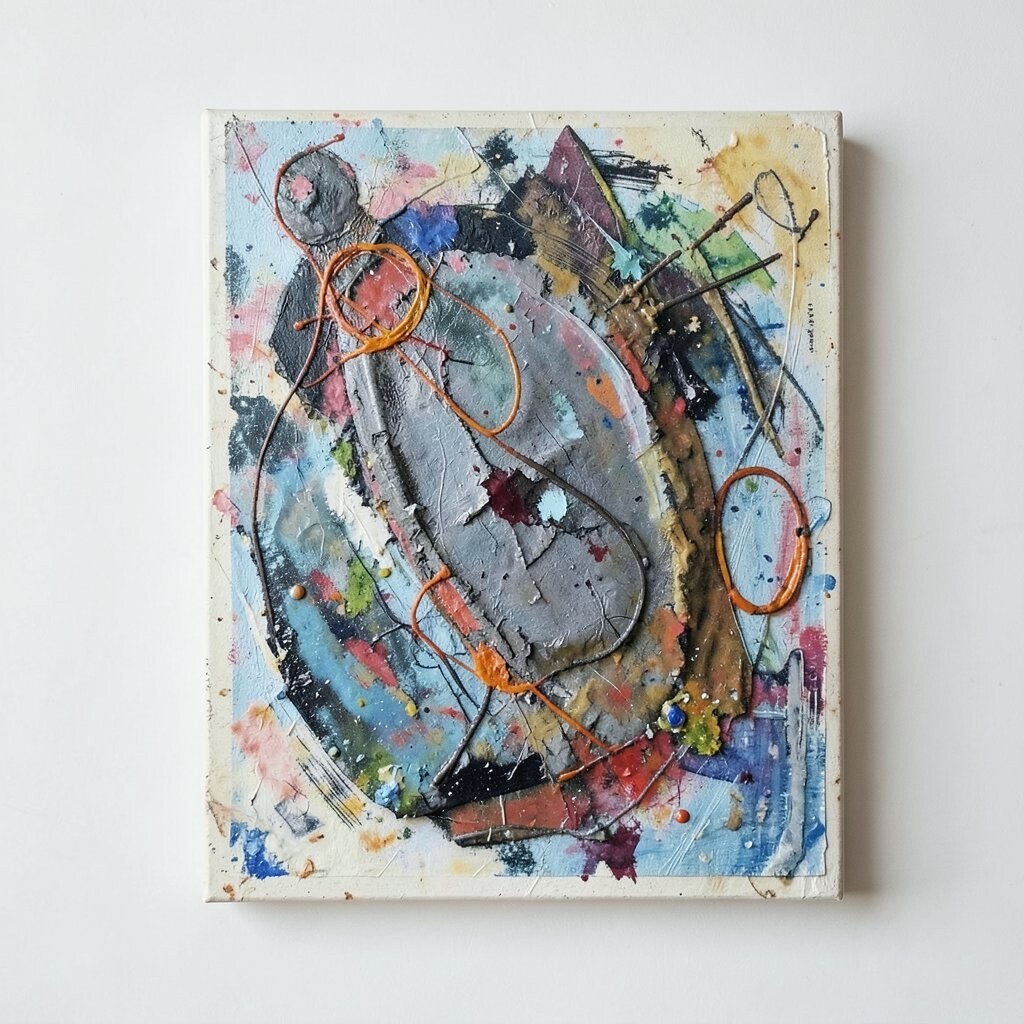
Mixed media art combines different materials and techniques. This approach can add richness and complexity to your work.
Using a variety of media can create interesting contrasts and textures. It allows for creativity and experimentation.
Consider what materials you have at hand, such as paper, fabric, or found objects. These can all be incorporated into your art.
Mixed media can be economical. Recycle materials or use scraps to create unique, budget-friendly pieces.
8. Abstract Pieces
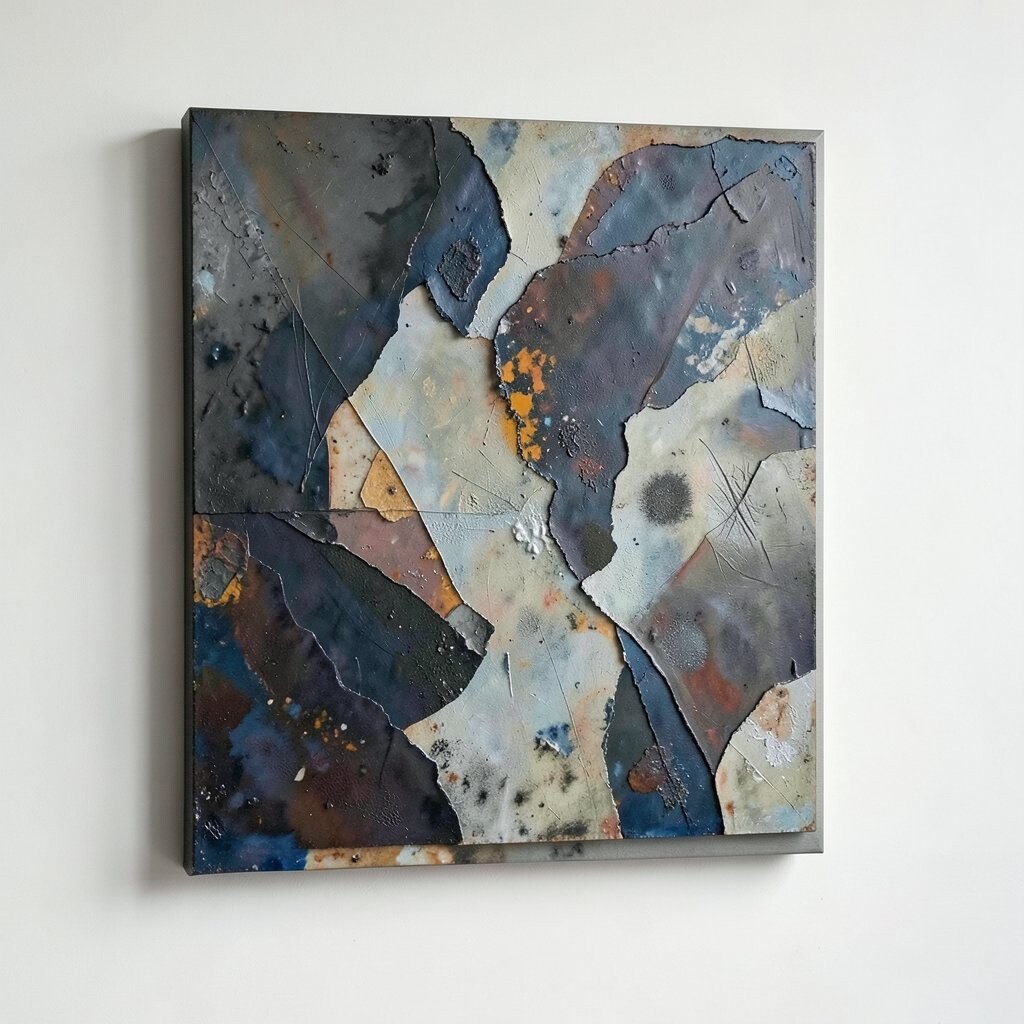
Abstract art is about expressing ideas and emotions rather than depicting reality. It can evoke feelings and spark the imagination.
These pieces allow for personal interpretation, inviting viewers to see their own stories. It’s a journey through color and form.
When creating abstract art, focus on the emotions you want to convey. Let your instincts guide you through the process.
Abstract art can be cost-effective, as it doesn’t require specific materials. Use what you have to create something meaningful.
9. Black and White Themes
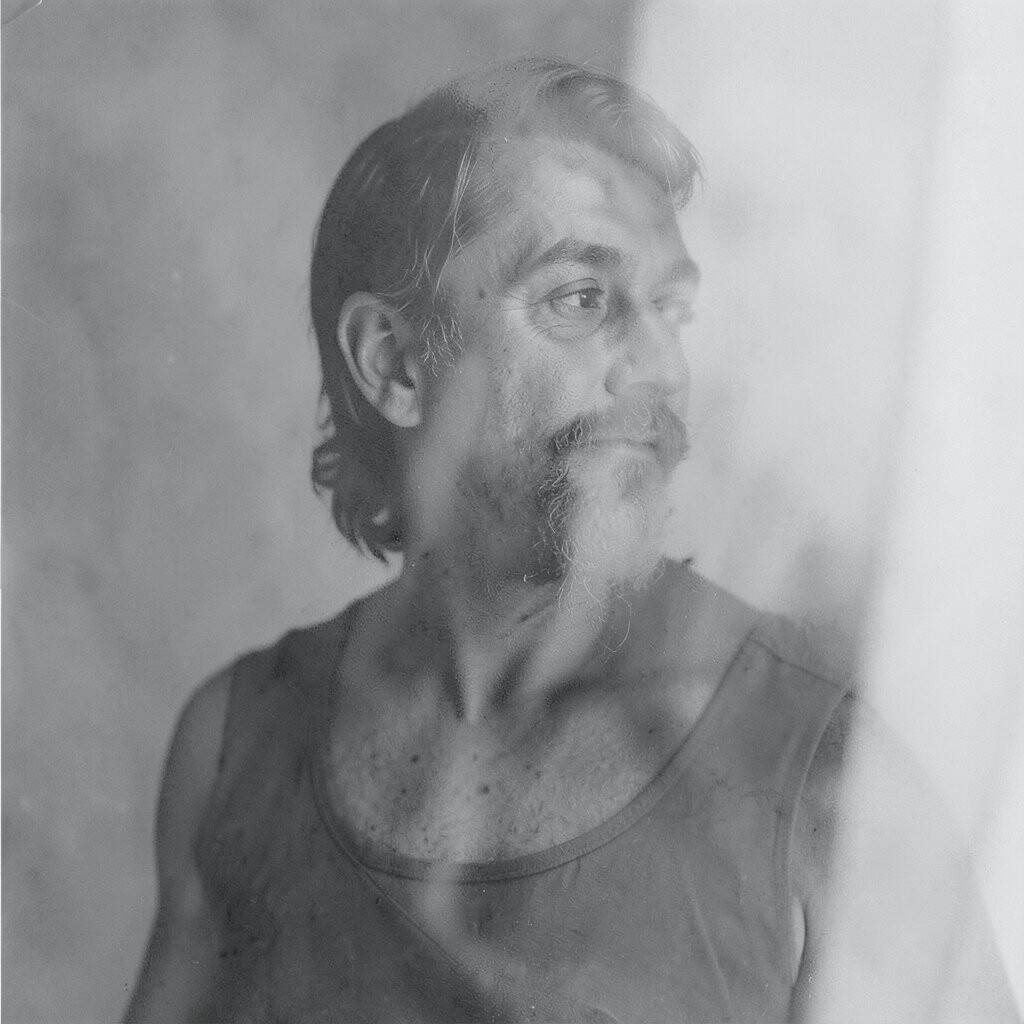
Black and white art offers a classic and sophisticated look. It can be striking in its simplicity and elegance.
This theme works well in any room, providing a neutral backdrop that complements other decor. It’s timeless and versatile.
To personalize, consider the balance between light and dark. How do these contrasts enhance the piece?
Black and white art can be affordable. Use basic supplies like charcoal or ink to create stunning pieces without breaking the bank.
10. Digital Art
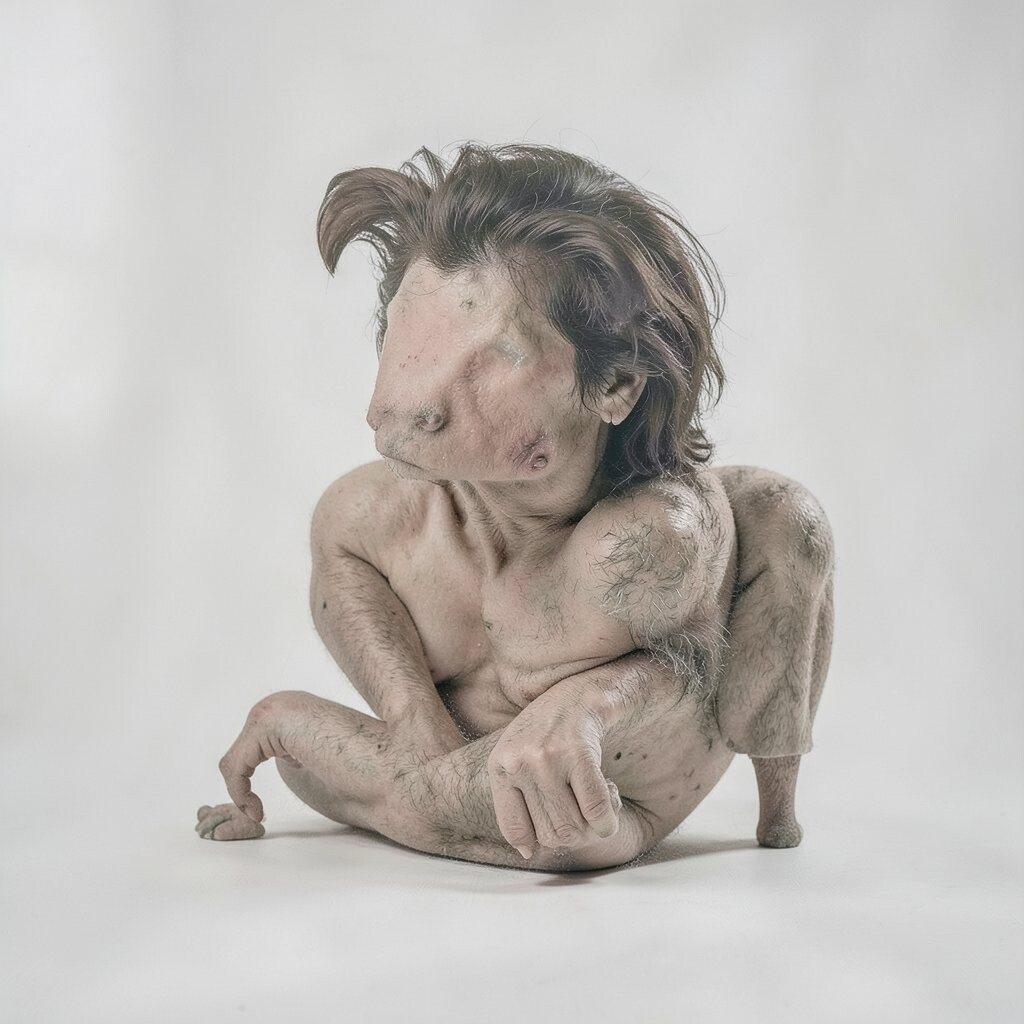
Digital art uses technology to create images. It’s a modern approach that offers endless possibilities and flexibility.
This medium allows for easy edits and experimentation. You can play with colors, shapes, and effects without limits.
Consider the tools you’ll need, like software or a tablet. These can help you bring your digital art visions to life.
While some equipment can be costly, there are free or low-cost apps that offer powerful features for digital art creation.
11. Nature-Inspired Creations
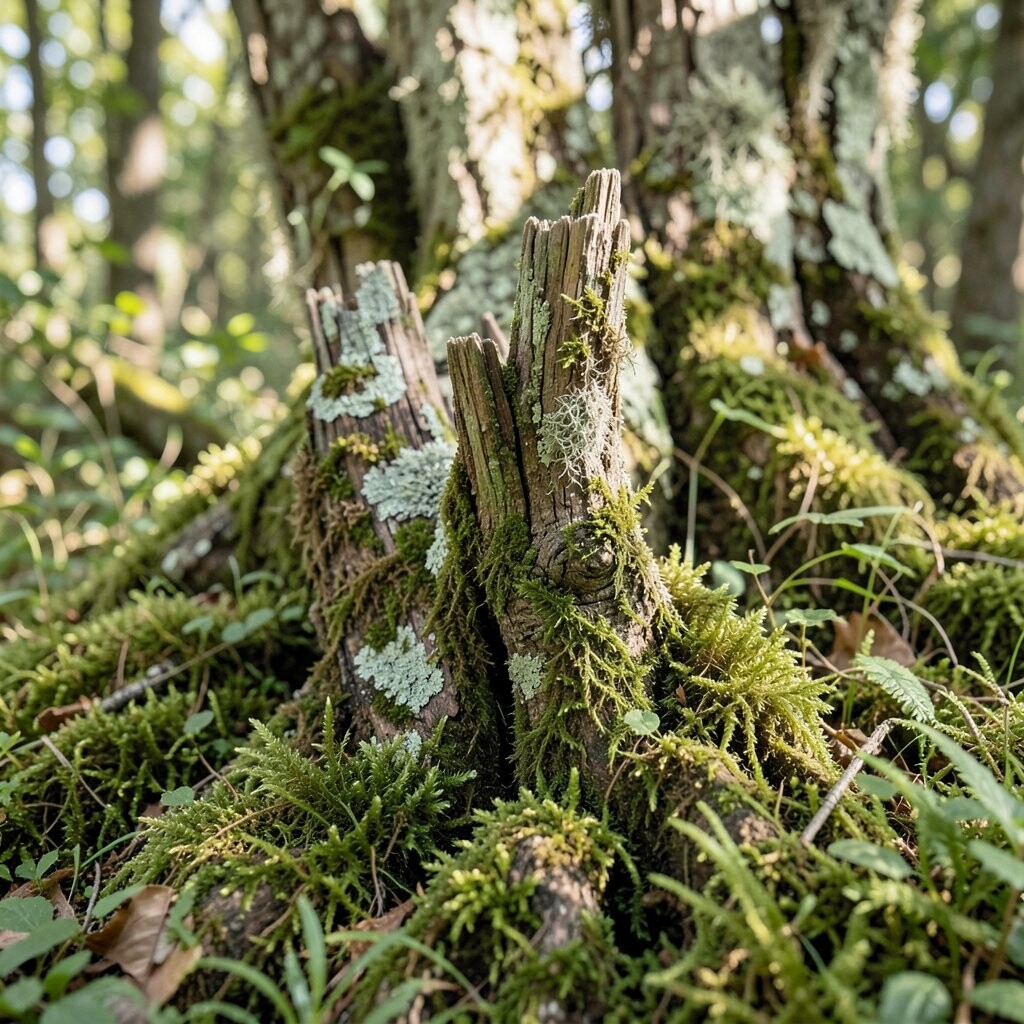
Nature-inspired art brings the beauty of the outdoors inside. It can create a calming and serene environment.
Using elements like leaves, flowers, or landscapes can connect your space to the natural world. It offers a sense of peace.
Think about how you can incorporate natural textures and colors. These can make your art feel more organic and alive.
Nature-inspired art can be budget-friendly. Use real plants or natural dyes to create earthy and affordable pieces.
12. Geometric Patterns
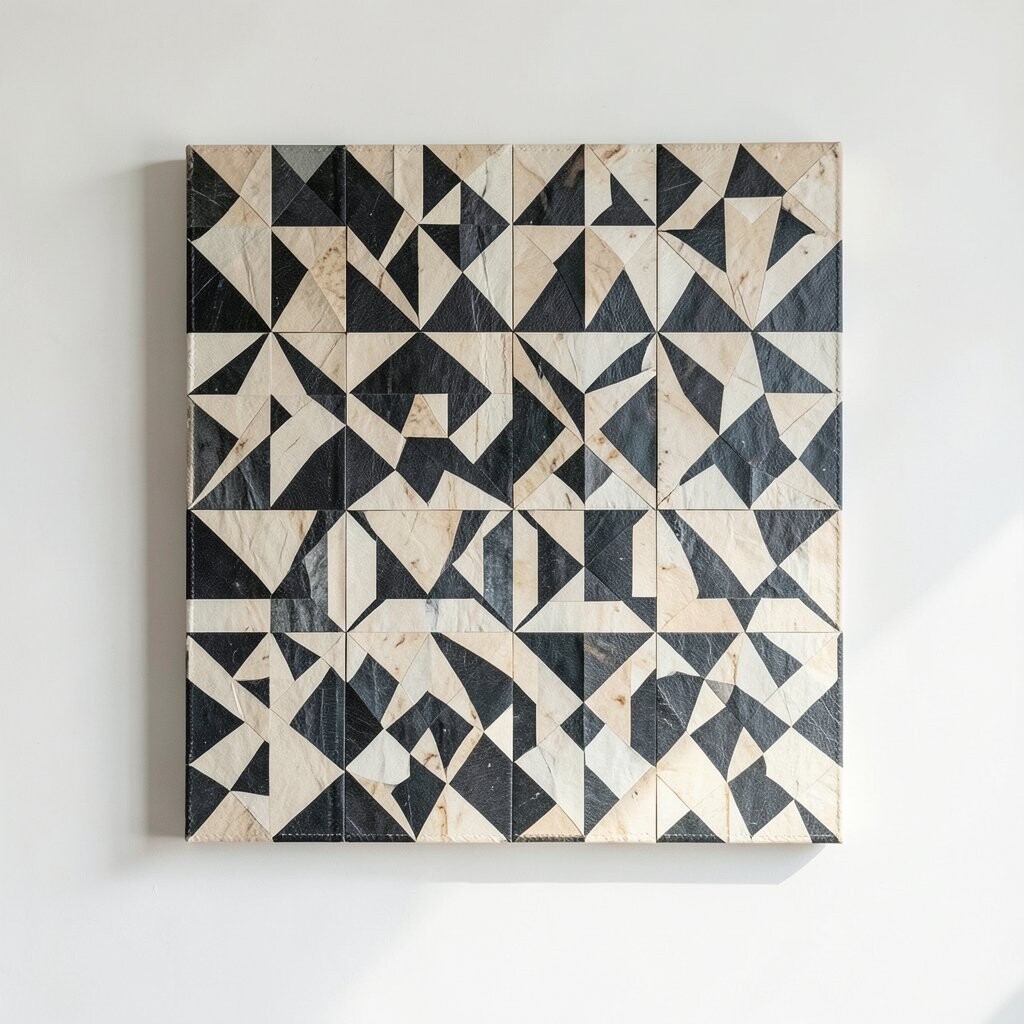
Geometric patterns offer a structured and orderly look. They can create a sense of balance and harmony in your art.
These patterns can be bold or subtle, depending on your preference. They add an element of sophistication to any space.
Consider the shapes and lines you want to use. How do they interact and create a cohesive design?
Geometric art can be inexpensive. Use rulers and simple tools to create precise and stunning patterns.
13. Cultural Influences

Incorporating cultural influences can add depth and meaning to your art. It can celebrate diversity and history.
This approach allows you to honor traditions and tell stories through your work. It can be enriching and educational.
Consider the cultural elements that resonate with you. How can you incorporate them into your art in a respectful way?
Cultural art can be affordable. Use traditional techniques and materials to create authentic and meaningful pieces.
14. Personalized Portraits

Personalized portraits capture the essence of people or pets. They can be a heartfelt addition to any space.
These artworks offer a personal touch, celebrating loved ones in a unique way. They can be cherished for a lifetime.
Think about the subject and what makes them special. How can you highlight these qualities in your portrait?
Portraits can vary in cost. Consider creating your own or commissioning a local artist for a more personalized experience.
15. Inspirational Quotes
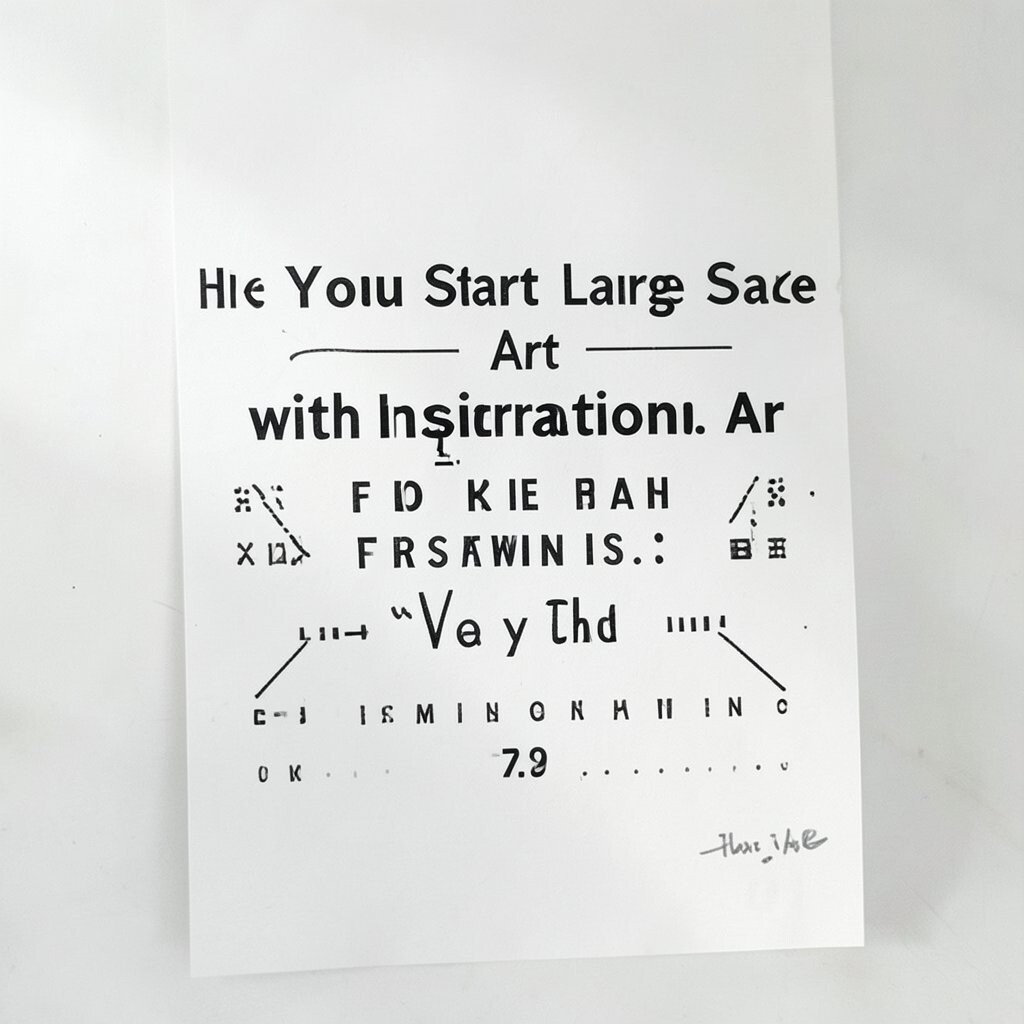
Art featuring inspirational quotes can motivate and uplift. It can set a positive tone for your space.
These pieces can be simple yet powerful, offering daily reminders of important values and goals.
Choose quotes that resonate with you and your journey. Their messages can inspire and encourage you every day.
Quote art can be affordable. Use typography and design software to create custom prints within your budget.
16. Upcycled Art
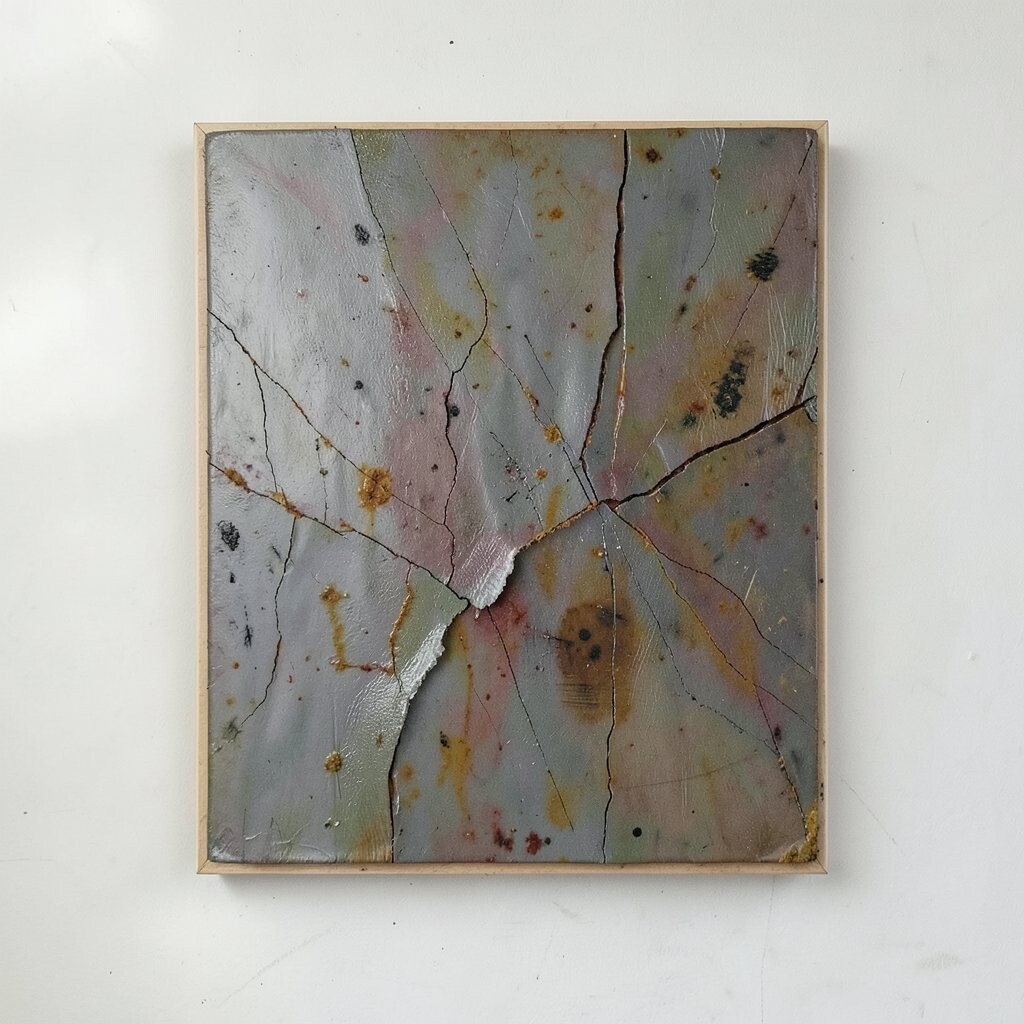
Upcycled art repurposes materials to create something new. It’s an eco-friendly approach that promotes sustainability.
This type of art can transform everyday items into beautiful pieces. It encourages creativity and resourcefulness.
Consider what materials you have that can be reused. How can they be combined to create something unique and meaningful?
Upcycled art is often inexpensive. Use items destined for the trash or thrift store finds to create budget-friendly masterpieces.
17. Light and Shadow
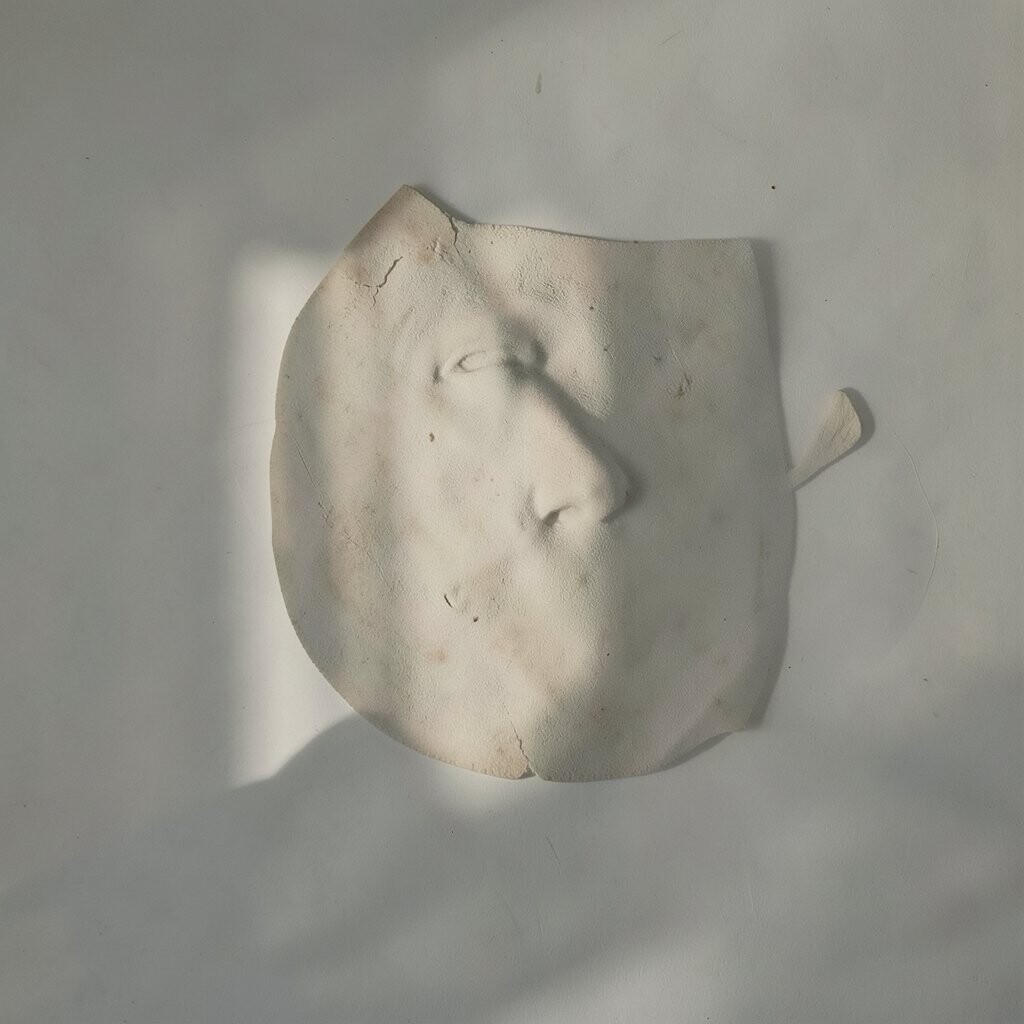
Playing with light and shadow can create dynamic and engaging art. It adds an element of mystery and intrigue.
This approach can bring depth and contrast to your pieces. It can make them feel more alive and captivating.
Think about how light interacts with your artwork. How can you use it to highlight certain features or create new effects?
Light and shadow art can be low-cost. Use simple lighting setups to experiment with different effects and moods.
18. Collaborative Projects
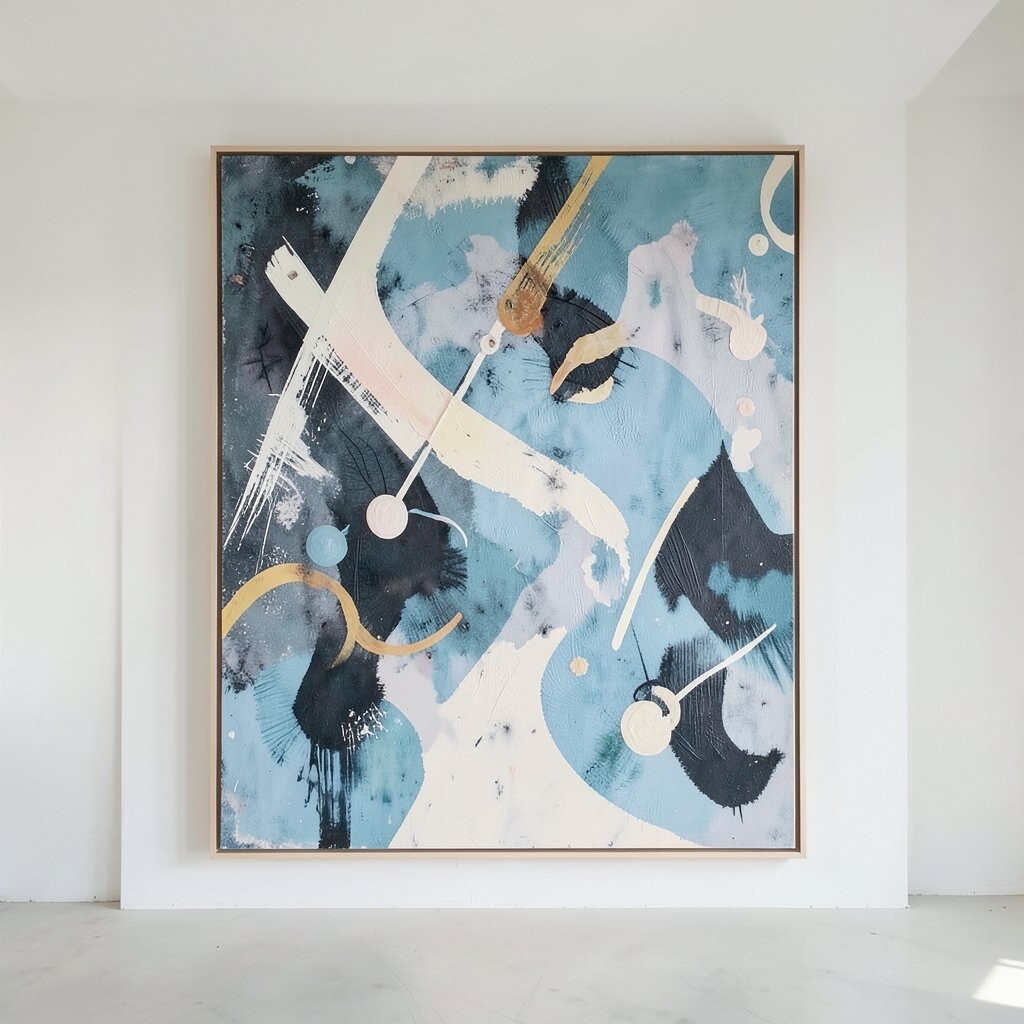
Collaborative art projects involve multiple creators working together. They bring different perspectives and ideas to the table.
These projects can be a fun and rewarding way to connect with others. They celebrate teamwork and creativity.
Consider who you might collaborate with and what themes you’d like to explore. How can each person’s strengths enhance the project?
Collaborative art can be budget-friendly. Share materials and resources to keep costs manageable while creating something special.
19. Vintage Styles
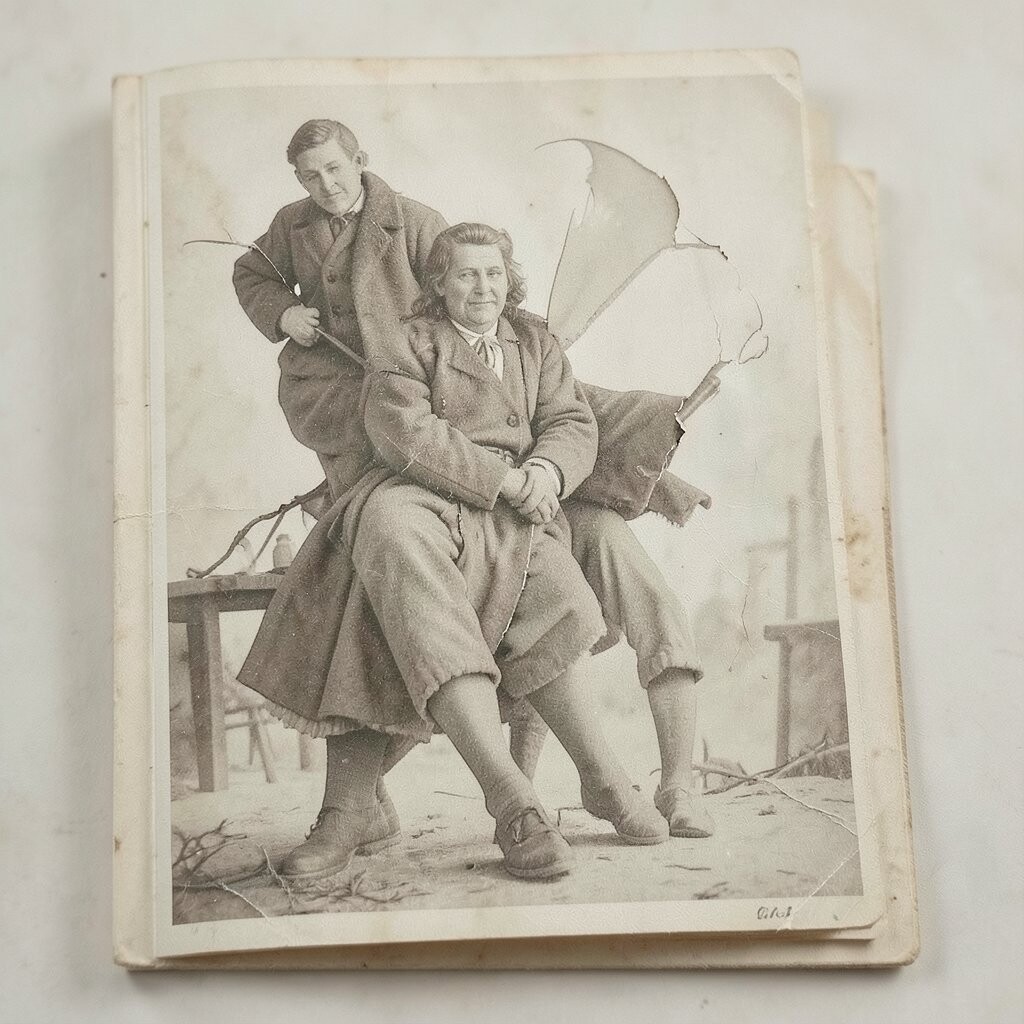
Vintage art styles bring a sense of nostalgia and charm. They can evoke memories and create a warm atmosphere.
These styles often incorporate classic techniques and imagery. They offer a timeless appeal that never goes out of fashion.
Think about the eras or styles you love. How can you incorporate these elements into your art to create a vintage feel?
Vintage art can be cost-effective. Use thrifted frames or replicate old techniques to achieve a classic look on a budget.
20. Interactive Installations
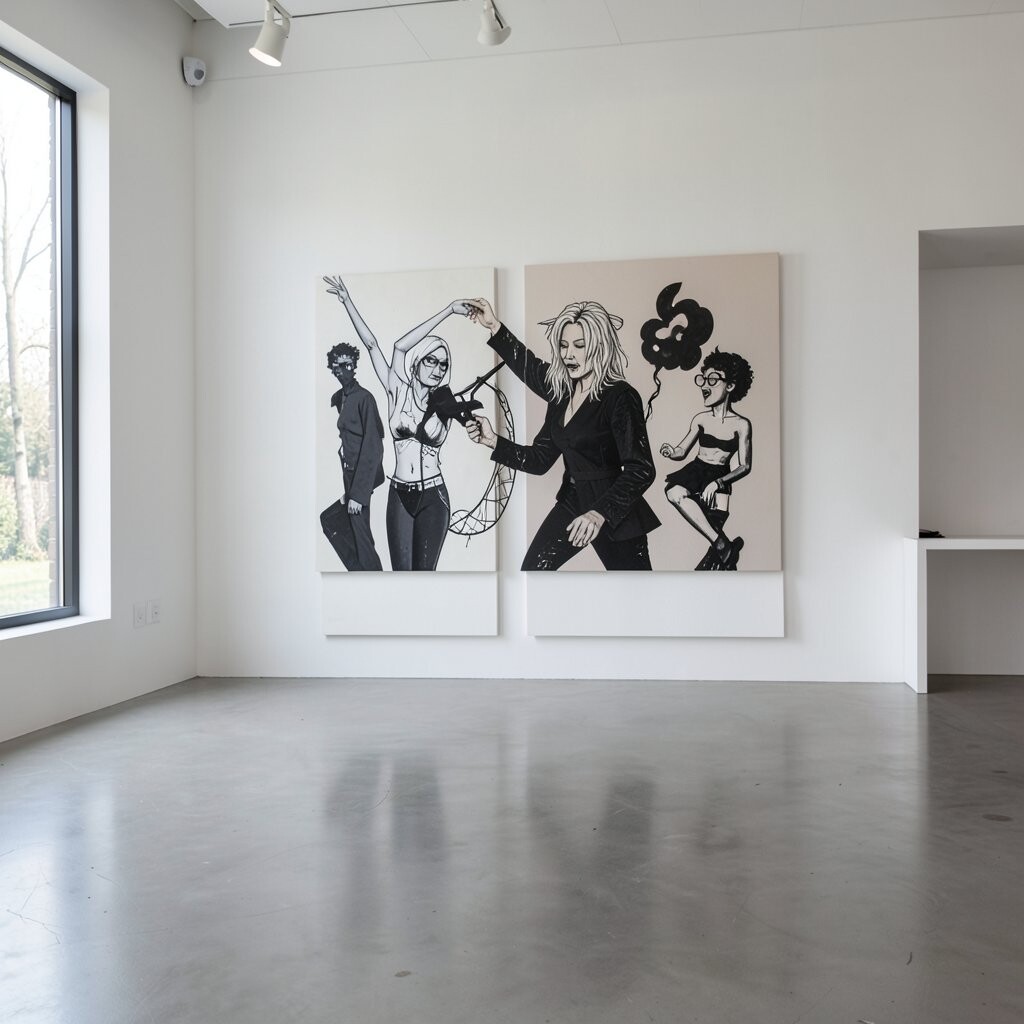
Interactive art installations engage viewers in unique ways. They invite participation and exploration.
These installations can transform a space into an immersive experience. They encourage curiosity and playfulness.
Consider how you want people to interact with your installation. What elements can you include to make it engaging and memorable?
Interactive art can be budget-friendly. Use everyday materials to create installations that are both fun and affordable.
21. Seasonal Themes
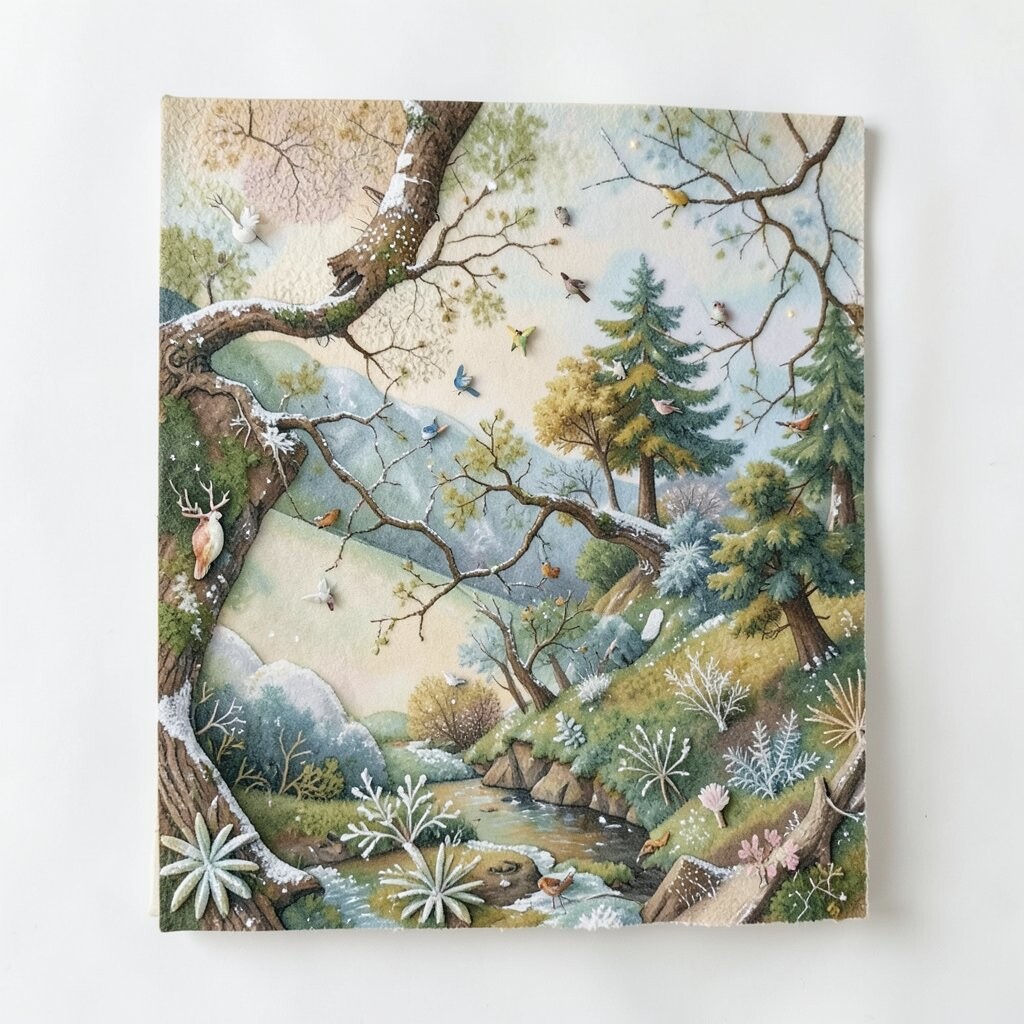
Seasonal art themes celebrate the changing of the seasons. They can bring a fresh and timely feel to your space.
These themes often incorporate colors and motifs associated with different times of year. They keep your decor current and vibrant.
Think about what each season means to you. How can you capture its essence in your art?
Seasonal art can be low-cost. Use natural elements or seasonal items to craft artwork that reflects the time of year.
22. Emotional Expression

Art that focuses on emotional expression can be deeply personal and moving. It conveys feelings in a powerful way.
This approach allows you to explore your emotions and share them with others. It can be therapeutic and healing.
Consider what emotions you want to express and how they can be represented visually. What colors or forms best convey these feelings?
Creating emotionally expressive art can be affordable. Use simple materials to capture the raw and honest essence of your emotions.