Concrete walls can feel heavy, but color changes everything. A mural turns plain surfaces into stories you can live with.
From bold abstracts to calm nature scenes, the right artwork can make a space feel warmer and more personal. Keep reading for mural ideas that look great and are practical to plan.
1. Color-Drip Pop Art Wall
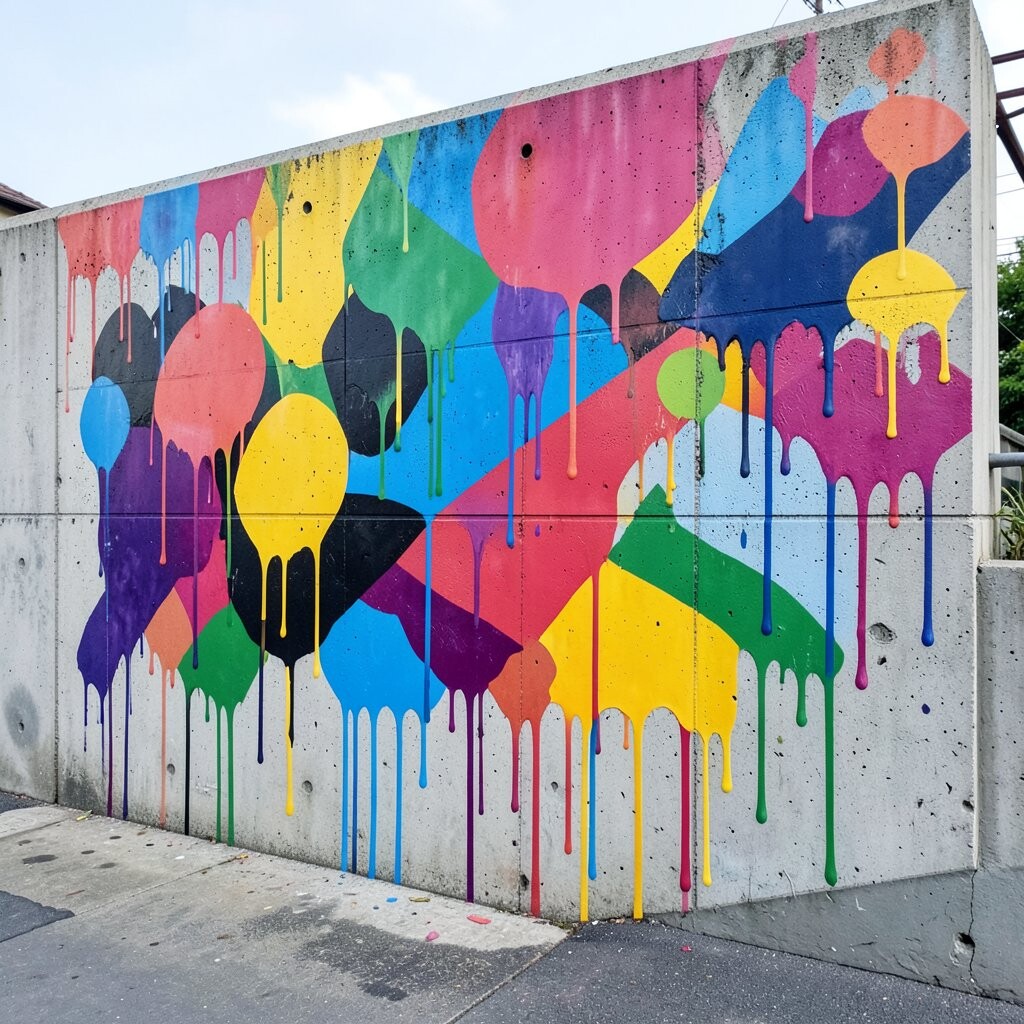
You can paint a fun pop art mural that looks like bright paint drips across the wall. Think hot pink, electric blue, and sunny yellow flowing over a clean concrete base.
Choose a simple background block color first, then add drips with careful edges so the design stays crisp. This style grabs attention from far away, helps a room feel lively, and makes even an industrial space feel playful.
For practical results, sketch drip paths on paper, then lightly map them with chalk before you start painting. If you want it to last, use exterior-grade primer and durable interior or masonry paint depending on the wall surface.
To personalize it, swap the classic shapes for icons you love, like music notes, coffee cups, or game controllers. Plan a budget by comparing small sample swatches and buying only the colors you actually use.
2. Botanical Line-Work on Concrete
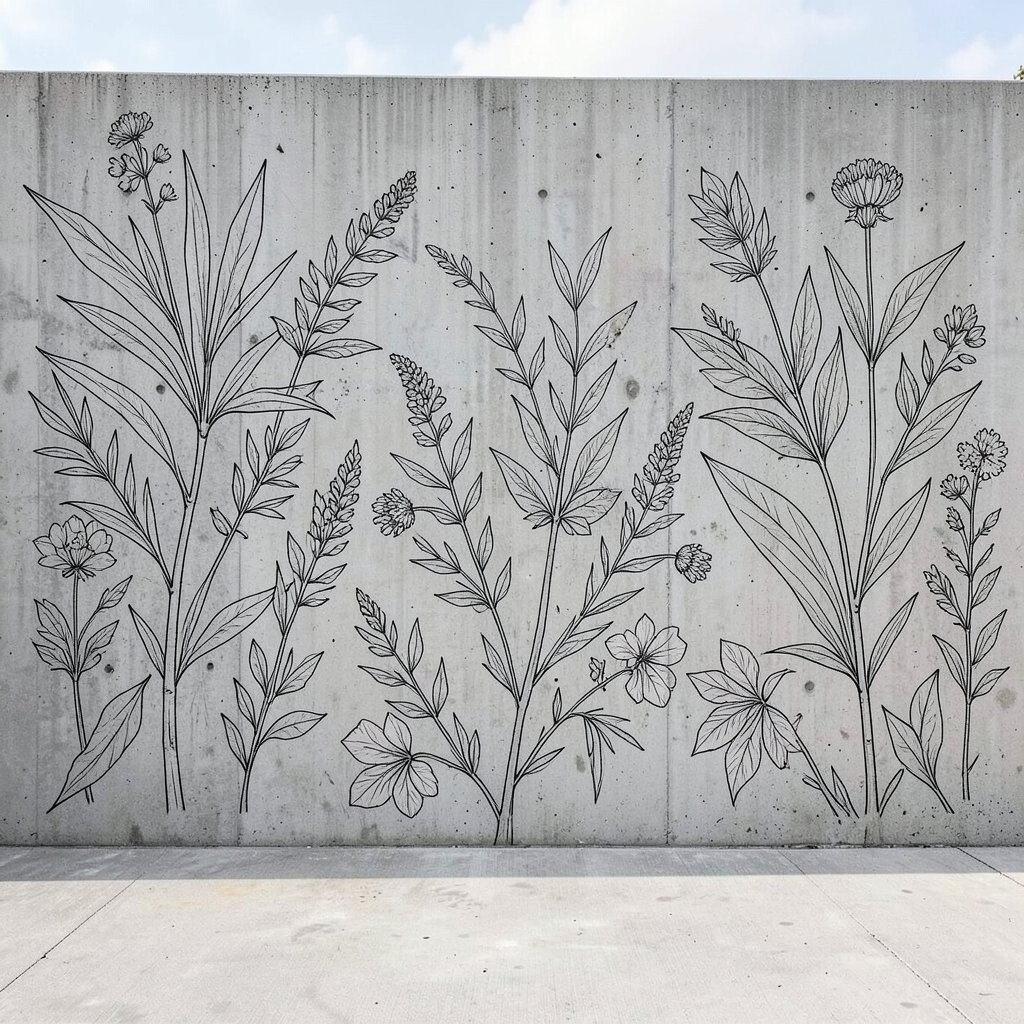
A botanical mural with thin line drawings can make a concrete space feel fresh and calm. Picture delicate leaves, twisting vines, and tiny flower details that look like ink on stone.
It is especially good for hallways and break rooms because it softens hard textures without overwhelming the area. The contrast between rough concrete and smooth line art creates a natural, modern look.
Start with a light gray or warm white base so the lines stand out clearly. Use painter’s tape to block off sections and keep your plant stems growing in a neat rhythm.
For uniqueness, mix different plant styles like eucalyptus, ferns, and simple wildflowers in one flowing layout. If you want a trend-friendly feel, add small gold accents with metallic paint for a subtle glow in daylight.
3. Large-Scale Geometric Sunburst
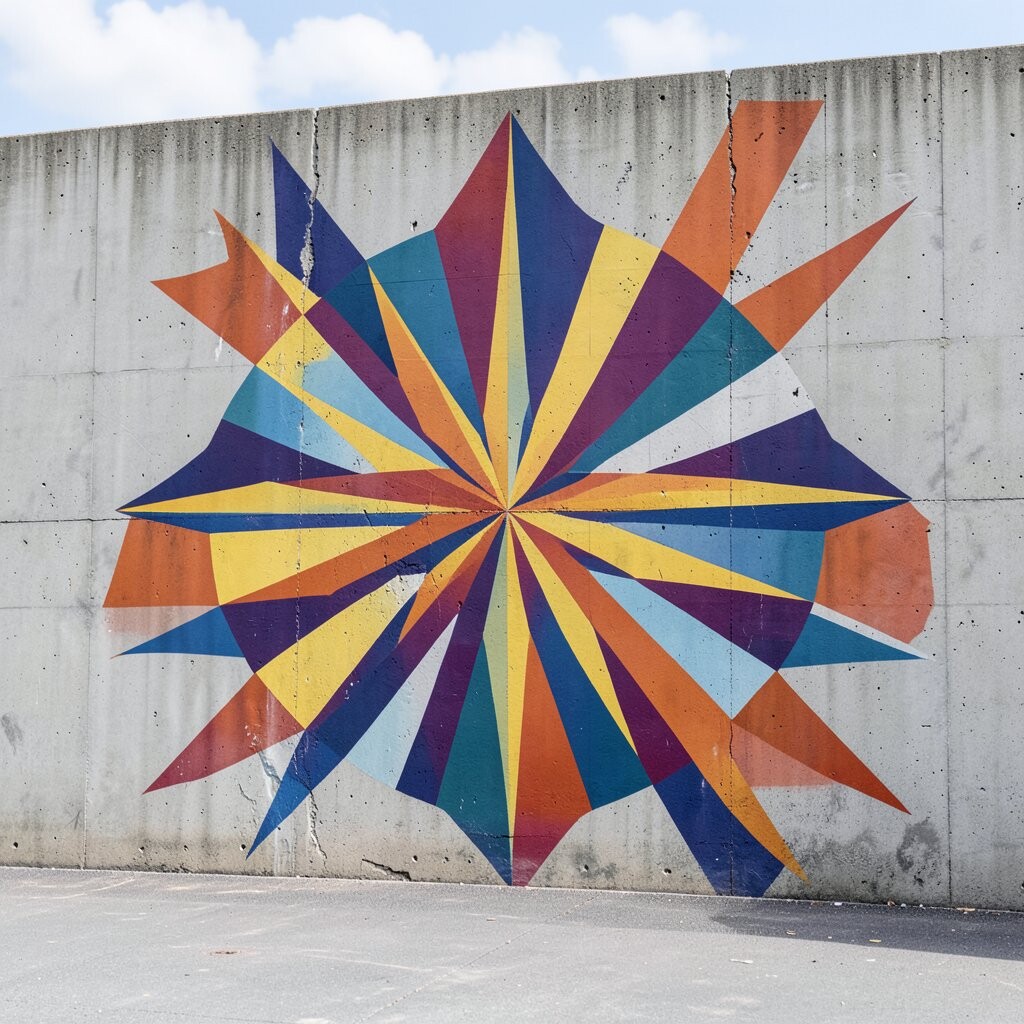
A geometric sunburst mural turns a wall into a bold focal point. Imagine crisp rays radiating from a center point, creating energy even in a plain concrete room.
Use a limited palette like terracotta, cream, and deep navy for a clean, modern style. This mural works well because it matches many decor colors and makes the wall feel organized rather than chaotic.
Before painting, measure the center point and mark guide lines so every ray has the same width. A level and a long ruler help a lot, and your symmetry will look professional.
If you want a practical upgrade, paint the rays in sections and let each section dry before the next. For personalization, change the center shape from a circle to a hexagon or a rounded diamond to match your interior style.
4. Underwater Waves and Soft Seafoam
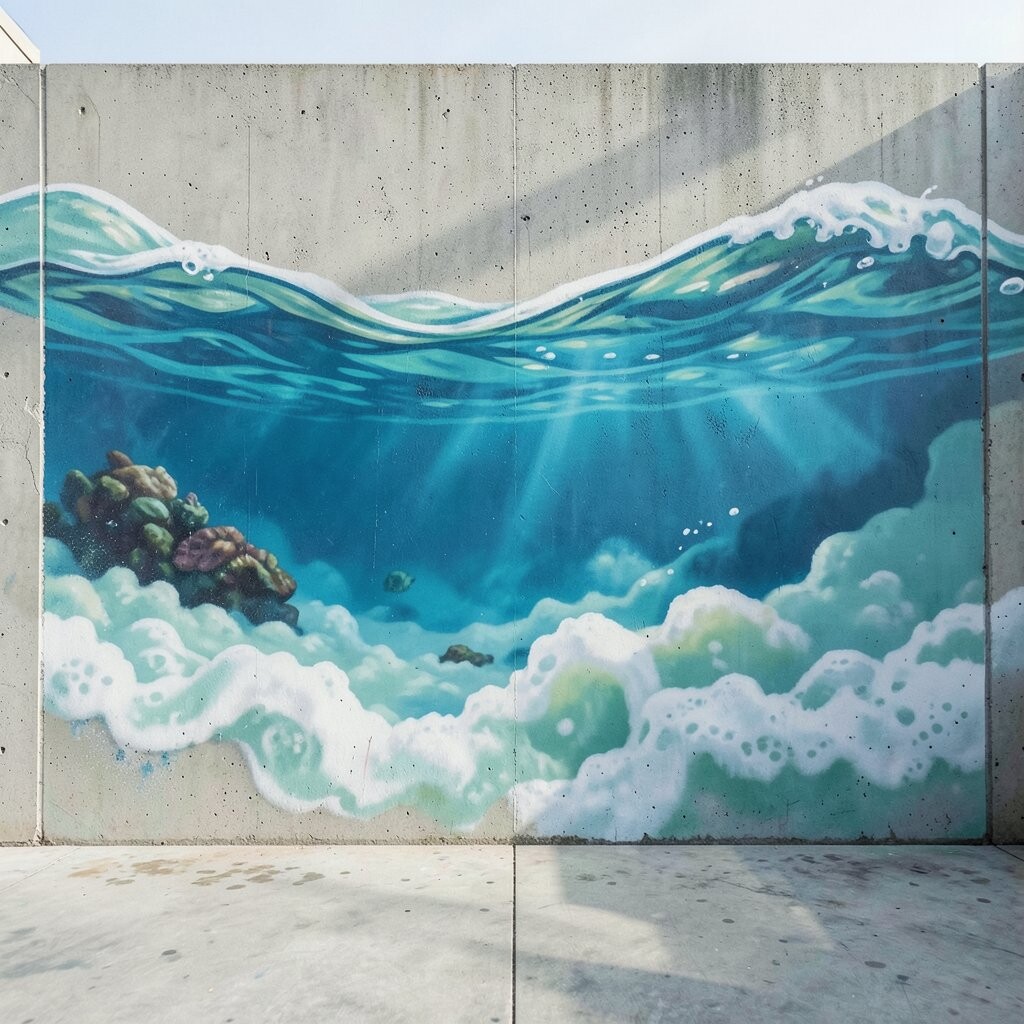
An underwater mural with layered waves can make concrete feel cooler and more relaxing. Picture gentle curves rolling across the wall in seafoam, aqua, and muted turquoise.
This idea benefits busy spaces because it gives a steady visual rhythm that feels calming. It is also a great choice if you want a mural that feels soothing rather than loud.
Start with a gradient background using sponge techniques so the color transitions look smooth. Then add wave lines with a smaller brush, keeping the edges slightly uneven for a natural feel.
To keep it manageable, limit the number of wave layers and repeat them consistently. Personalize it by adding simple fish silhouettes or a few bubbles near one side.
5. Street-Map Lines With City Names
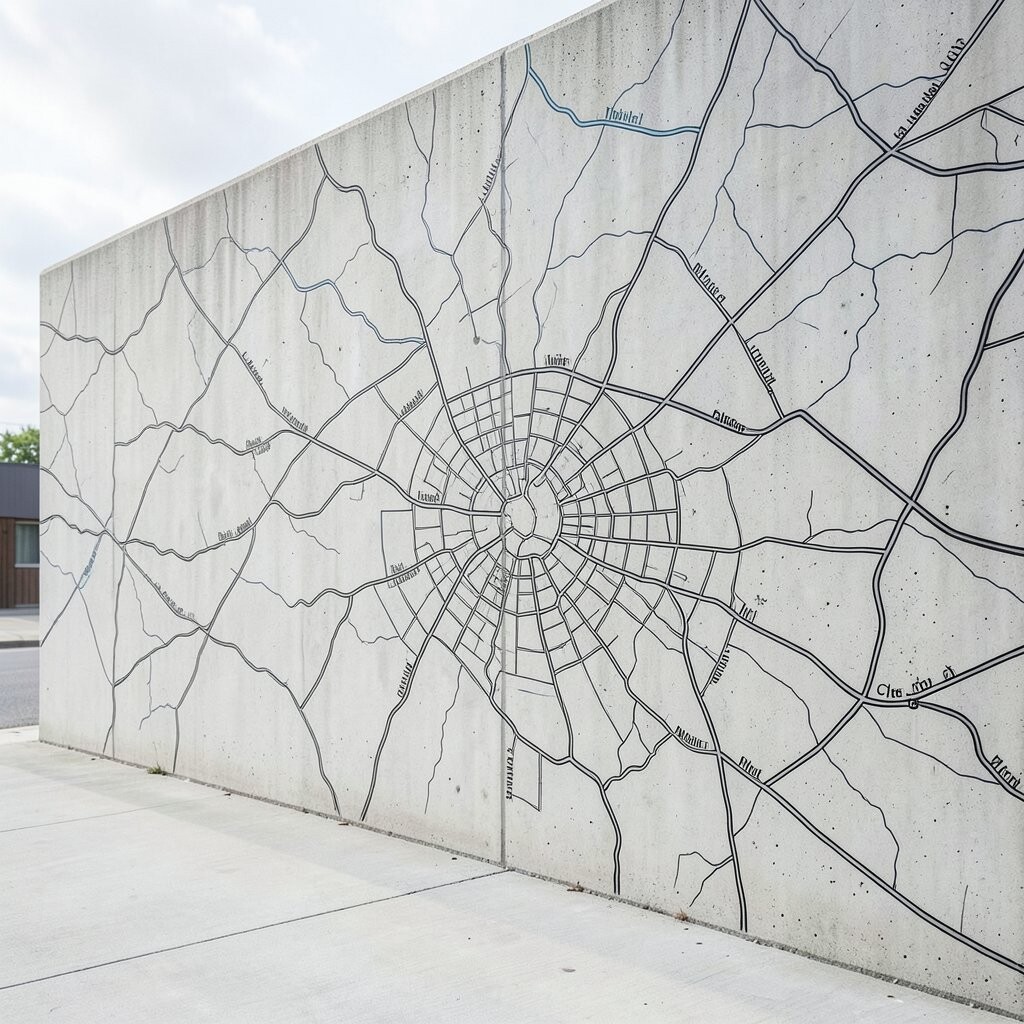
A mural inspired by street maps can feel smart and local. Use thin contour-style lines that trace paths across the wall, with subtle labels or landmarks that mean something to you.
It brings uniqueness through a story you can recognize, even if the design stays minimal. This works well in entryways because it makes the space feel connected to real life.
For a practical approach, print a simple map reference or use an online image and scale it up carefully. Use chalk grids to transfer the layout, then paint over the lines with stable, non-smudging colors.
Choose one or two accent colors like teal and charcoal so the mural stays elegant. When planning cost, consider using a vinyl stencil for repeated symbols, since that can reduce time and paint waste.
To personalize, include your neighborhood street names, the park you love, or the route you walk every morning.
6. Monochrome Marble Wash With Gold Veins
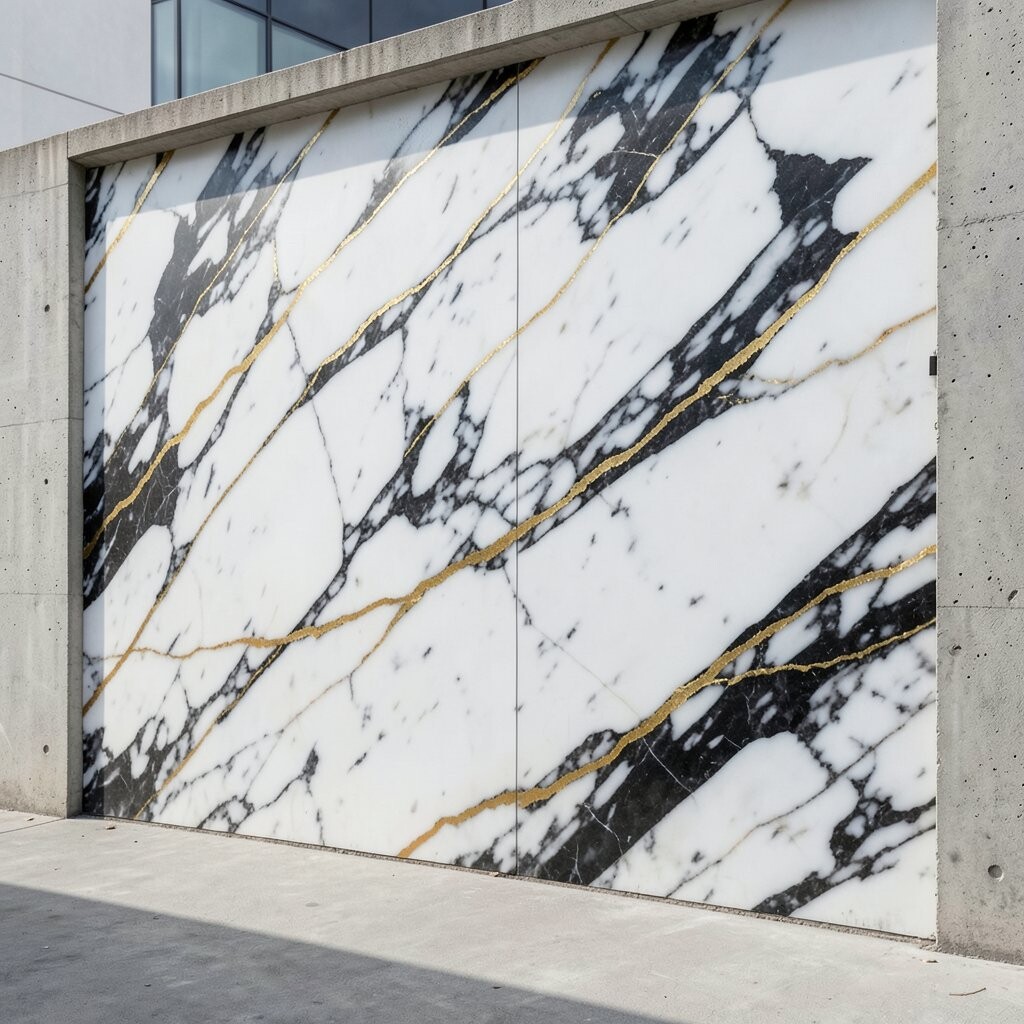
A marble-inspired mural can make concrete walls look elevated and expensive. Picture soft white and light gray washes with delicate gold veins tracing through the design.
This style brightens a space because light colors reflect more, and the gold adds warmth without becoming messy. It also feels modern, which is popular in current design trends for offices and updated apartments.
To create the marble effect, blend multiple shades while the paint is still slightly wet, then pull thin veining lines with a liner brush. Practice on cardboard first so you get comfortable with the flow.
For personalization, match the gold tone to your room accents, like brass hardware or warm lighting. If you want better durability, seal the mural with a clear protective topcoat meant for painted masonry.
Budget wisely by buying a small set of marble colors and stretching them with white so you do not run through too many pigments.
7. Giant Rainbow Ombre Blocks
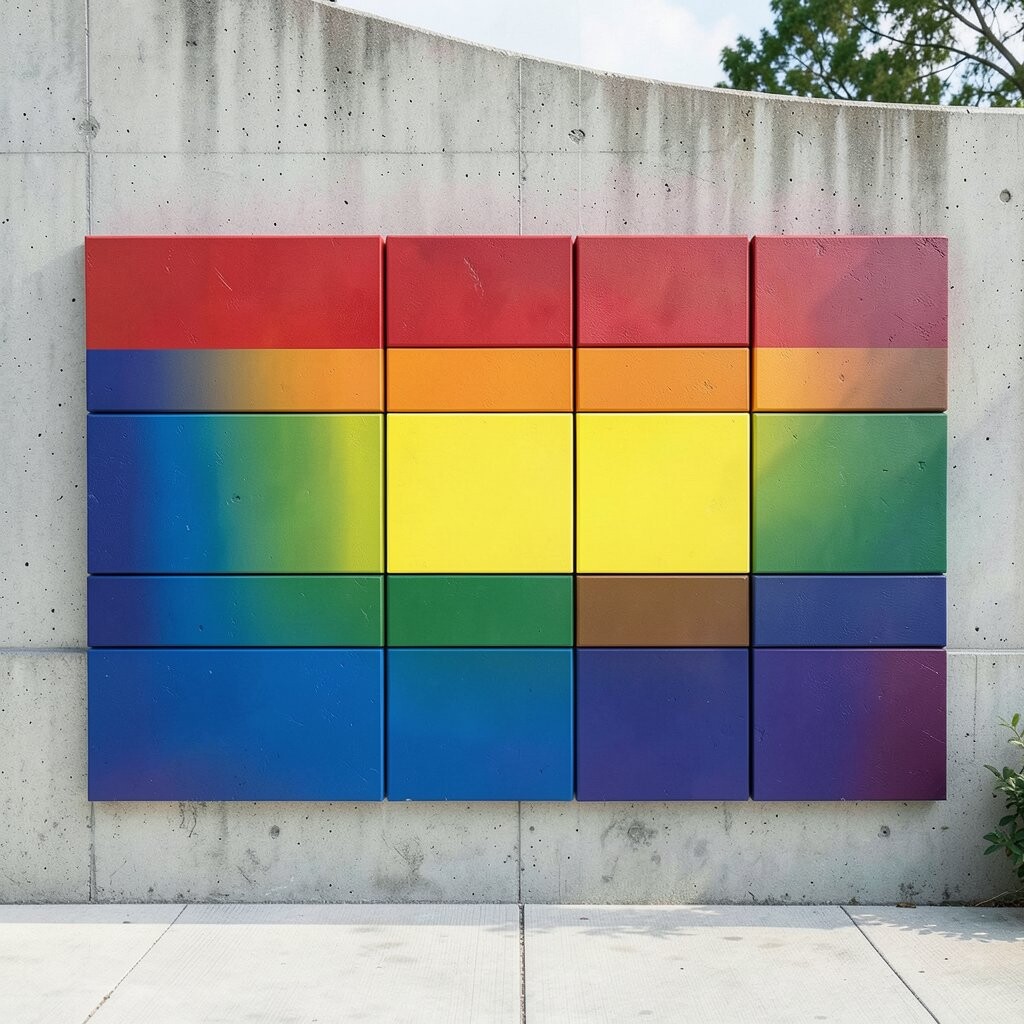
Rainbow ombre blocks can turn a dull wall into a cheerful backdrop. Think wide color bands that fade into each other from floor-level to ceiling-height.
This mural idea benefits social spaces because it invites smiles and makes photos look brighter. The simple block structure also helps beginners keep their lines clean.
Use a roller for the big bands, then switch to a smaller brush to tidy edges around corners. Keep a damp rag nearby for quick corrections before paint sets.
To make it unique, add a few unexpected tones like coral or deep purple mixed into the rainbow sequence. Personalize it by aligning one strong color with a nearby shelf or window for balance.
When it comes to cost, ombre blocks can be budget-friendly since you only need a handful of strong colors. Choose paint that is known for good coverage to reduce extra coats.
8. Forest Horizon With a Calm Path
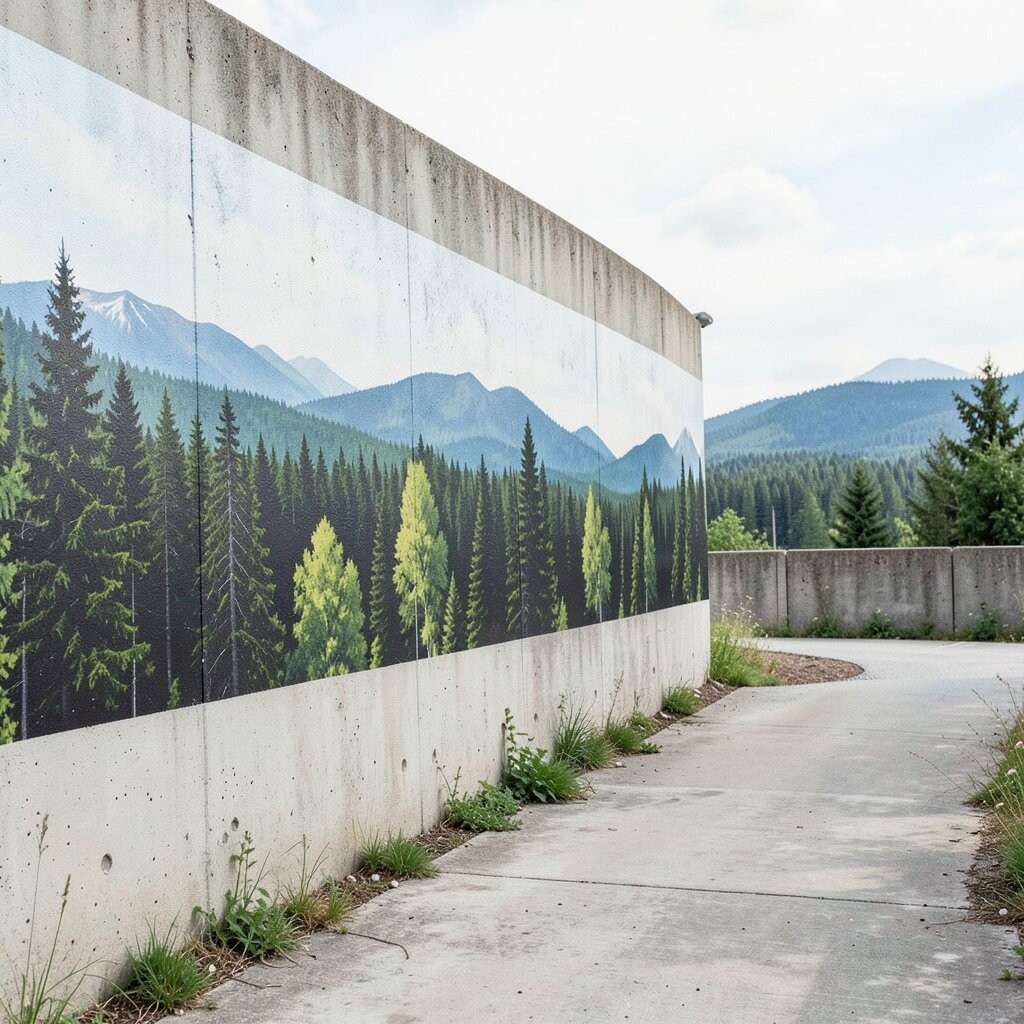
A forest horizon mural with a winding path creates depth that makes walls feel farther away. Picture tall trees fading into the distance, with soft light glowing from the center.
This style adds benefits beyond looks by making a room feel more spacious. In a concrete space, the visual depth helps the wall feel less heavy and more welcoming.
For visual description, start with a dark forest base at the bottom and blend into lighter greens near the horizon. Then paint a path using warm grays so it feels inviting rather than cold.
To keep the project practical, use a simple perspective grid lightly sketched with pencil. You can also add a few repeating tree shapes to save time while still looking detailed.
Personalize it by choosing your favorite season, like spring blossoms or autumn leaves, and echo those colors in your decor.
9. Abstract Collage With Cut Paper Texture
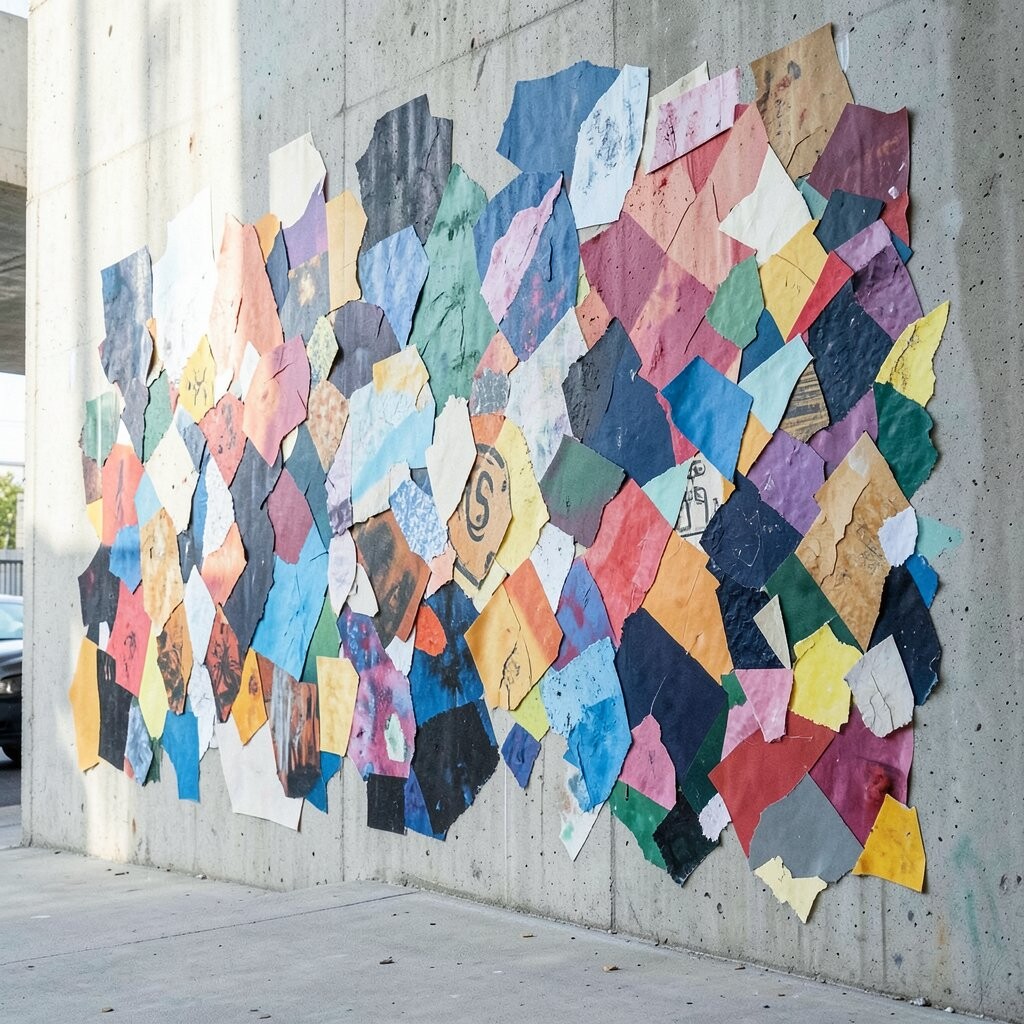
An abstract mural that mimics cut paper texture feels tactile even on a flat wall. Imagine overlapping shapes in layered colors, like torn posters sealed into paint.
This idea is unique because it adds visual variety without needing perfect realism. It works well for modern interiors and fits many current trends that lean toward mixed textures.
Begin with a base color, then map shapes in pencil so the layout feels balanced. For practical tips, press tape along shape borders before painting so edges stay sharp.
You can create “paper edges” by adding a slight shadow line where shapes overlap. To personalize, include your favorite colors or repeat a pattern you already use on pillows or rugs.
For cost considerations, consider using a limited number of bold colors and mixing mid-tones yourself. That reduces the number of paint containers you need.
10. Sesame-Style Patterned Tile Illusion
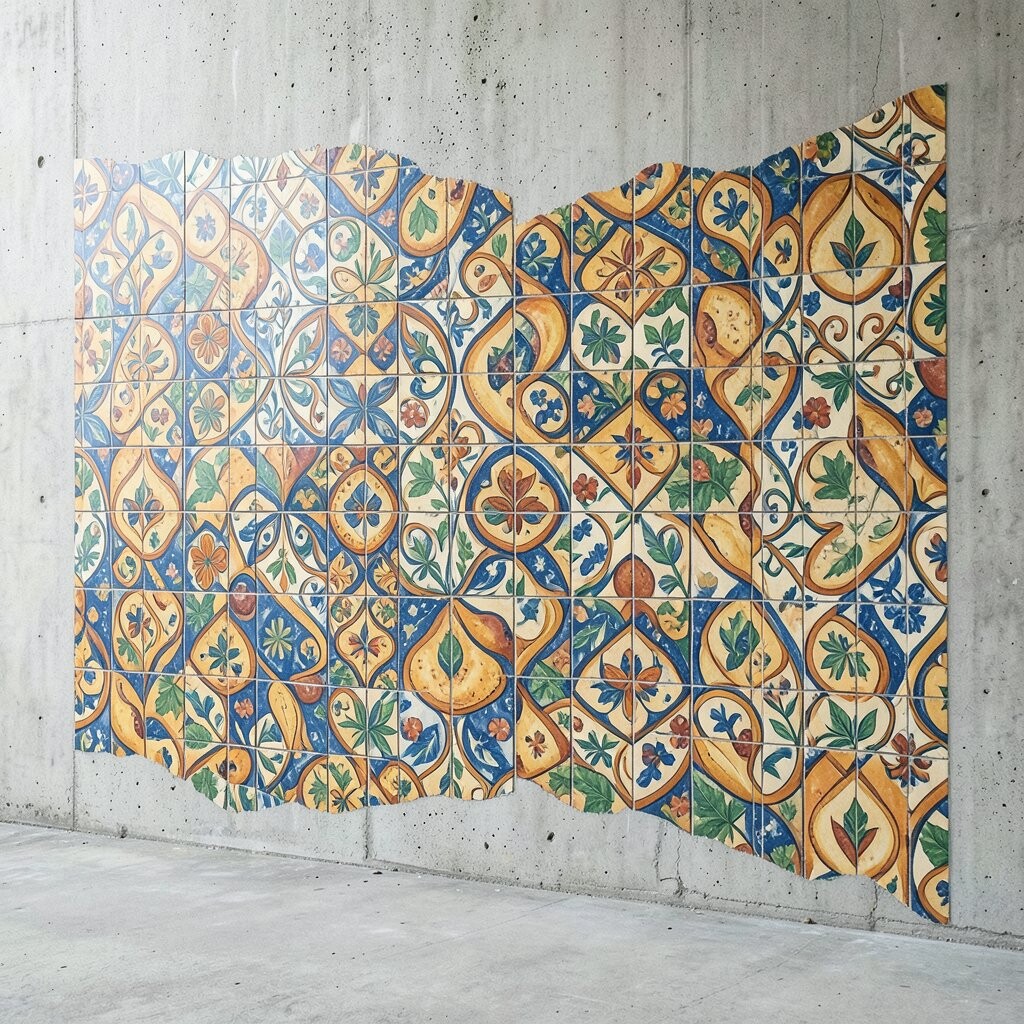
A tile illusion mural can make concrete feel like it has a stylish surface upgrade. Picture repeating geometric squares that resemble ceramic tiles, complete with subtle highlights and shadows.
This mural benefits high-traffic spaces because patterns hide small scuffs better than large plain fields. It also feels approachable, since the repeating layout creates a tidy look.
Use a grid to plan the repeats, then paint small sections at a time to avoid losing your place. For practical control, start with the lightest base tones and build darker lines last.
To add uniqueness, choose an unusual tile color combo like sage and terracotta, or mix matte and glossy finishes for contrast. Personalize it by matching the tile colors to bathroom fixtures, kitchen tiles, or nearby flooring.
11. Sunrise Skyline Silhouette
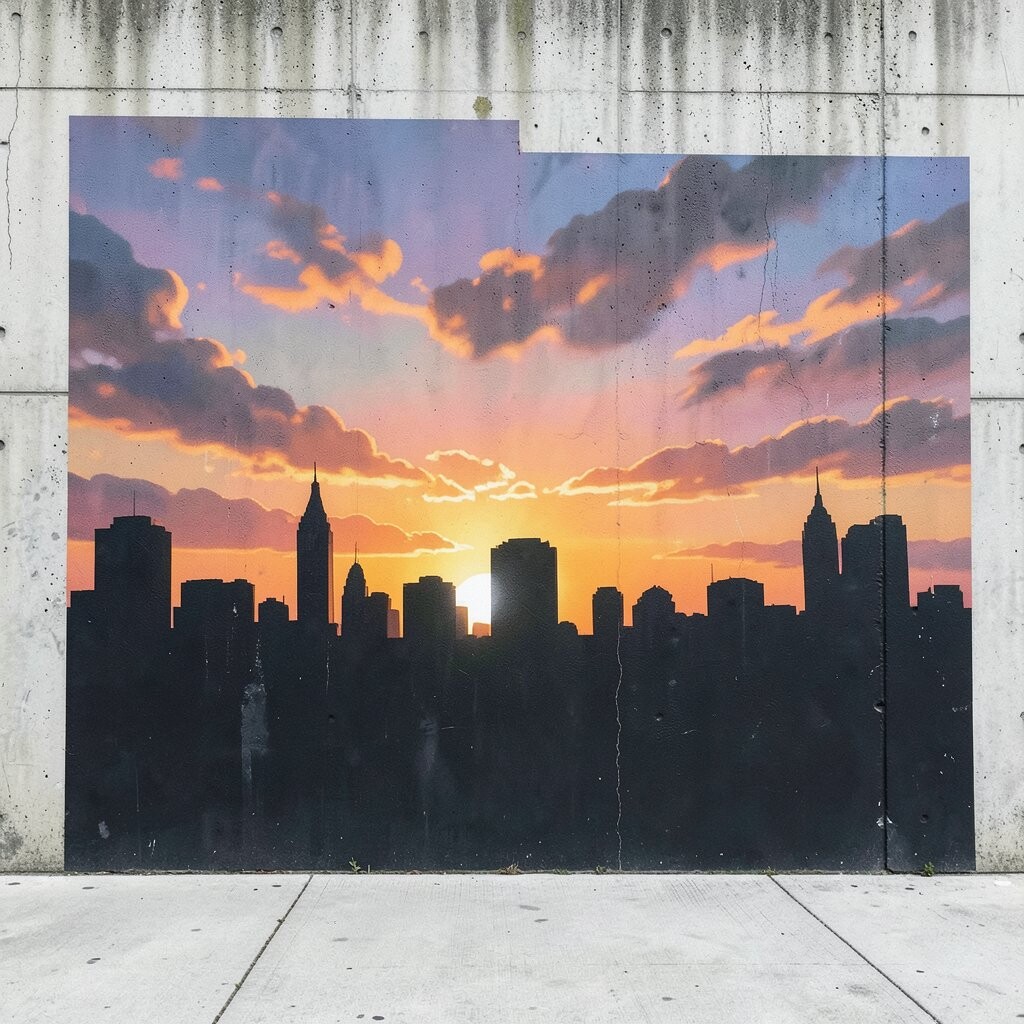
A skyline silhouette mural with a sunrise glow can warm up a concrete wall fast. Think dark city shapes on the lower portion, with soft orange and pink light spreading upward.
This design is beneficial because it adds calm drama without clutter. It also feels timeless, which is why cityscape art keeps showing up in interior style trends.
Paint the sky first with smooth blending, then add the city shape as a single strong silhouette so it stays clean. Use reference photos from your own city to make it feel truly personal.
For practical tips, mask the skyline edges with painter’s tape so the glow stays crisp. Add a few tiny window dots using a sponge or dotting tool for extra realism.
Cost-wise, skyline murals can be economical since you often rely on a few sky colors plus black or deep navy. If you want extra flair, use a pearlescent paint for the brightest part of the sunrise.
12. Giant Patterned Waves Like Fabric
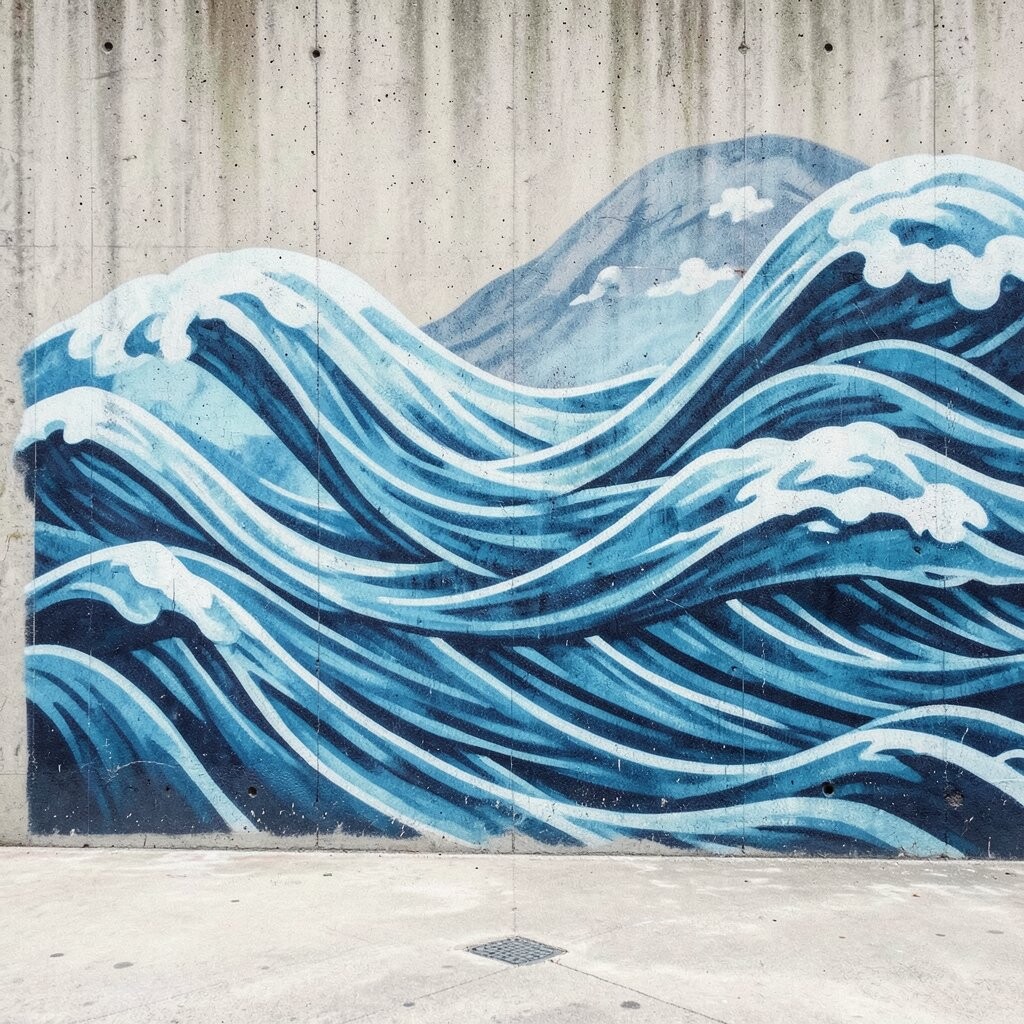
A wave mural that looks like fabric patterns can feel both playful and stylish. Picture repeating wave curves in alternating tones, like a bold textile translated onto a wall.
This idea benefits smaller rooms because repeating lines guide the eye and keep the wall from feeling flat. The pattern also creates a sense of movement without needing complex images.
Start with a neutral background and choose two or three wave colors that match your existing decor. Keep spacing consistent by using a ruler and marking guide dots along the wall.
For uniqueness, vary the wave thickness in one band to make the design feel handmade. Personalize it by changing the wave direction to follow the wall’s architecture, like around a corner or near a doorframe.
If you want a budget-friendly method, use stencils for the repeating sections so you do not have to freehand every wave.
13. Celestial Stars With Constellation Stories
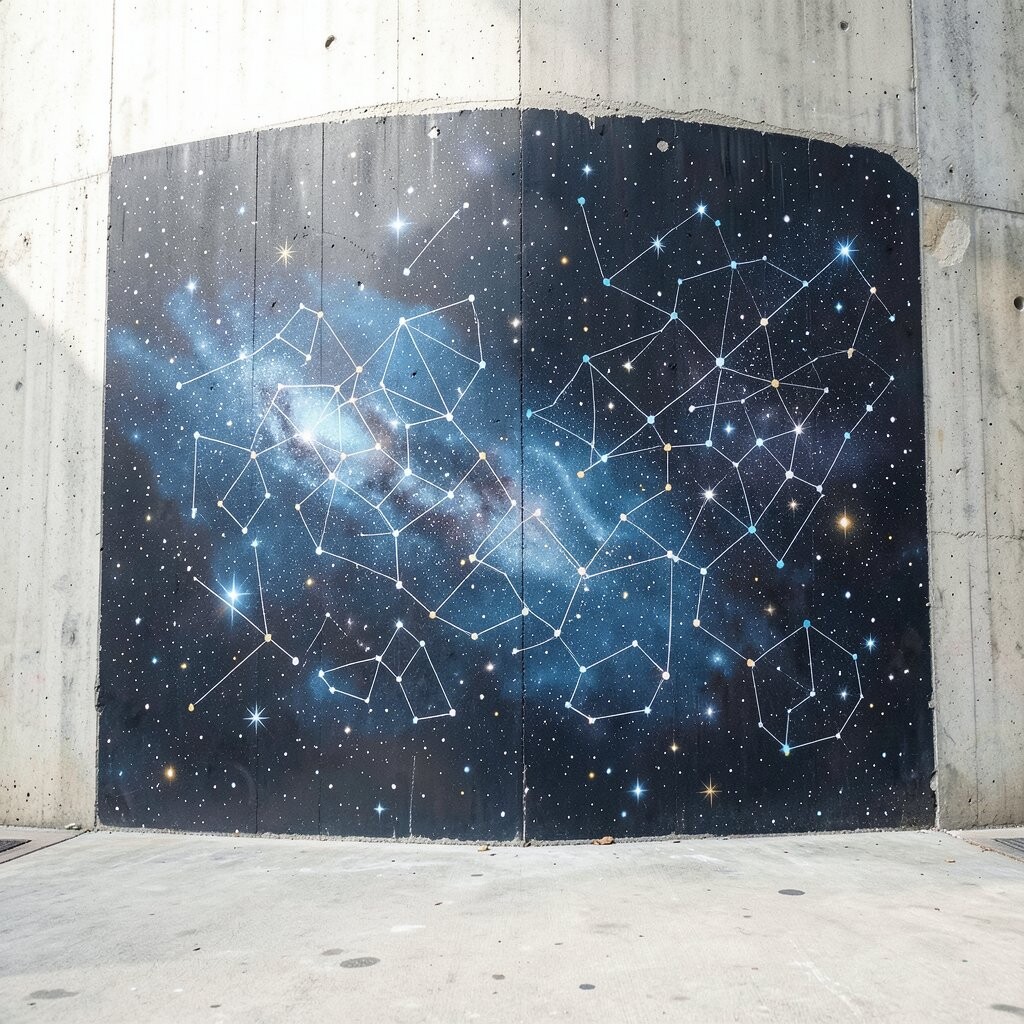
A celestial mural can brighten concrete while adding a dreamy mood. Imagine a night-sky gradient with scattered stars and a few connecting constellations that form meaningful shapes.
This mural is unique because it can hold personal meaning, especially if the constellations reference birthdays or shared memories. It also benefits calm areas like studios, reading corners, and bedrooms.
Use a dark base color, then blend a softer gradient near the top for a gentle sky. Add stars with a toothbrush spatter method for small dots, and paint a few thicker star points for emphasis.
For practical tips, plan where each constellation line will go so it does not cover important wall features like outlets or vents. Personalize it by adding a small symbolic detail near one constellation, like a tiny comet tail or a heart shape.
Cost considerations are usually manageable because you can use a handful of blues and a metallic paint for select star highlights. Choose a topcoat that protects the mural from daily cleaning.
14. Bold Portrait-Style Abstract Faces
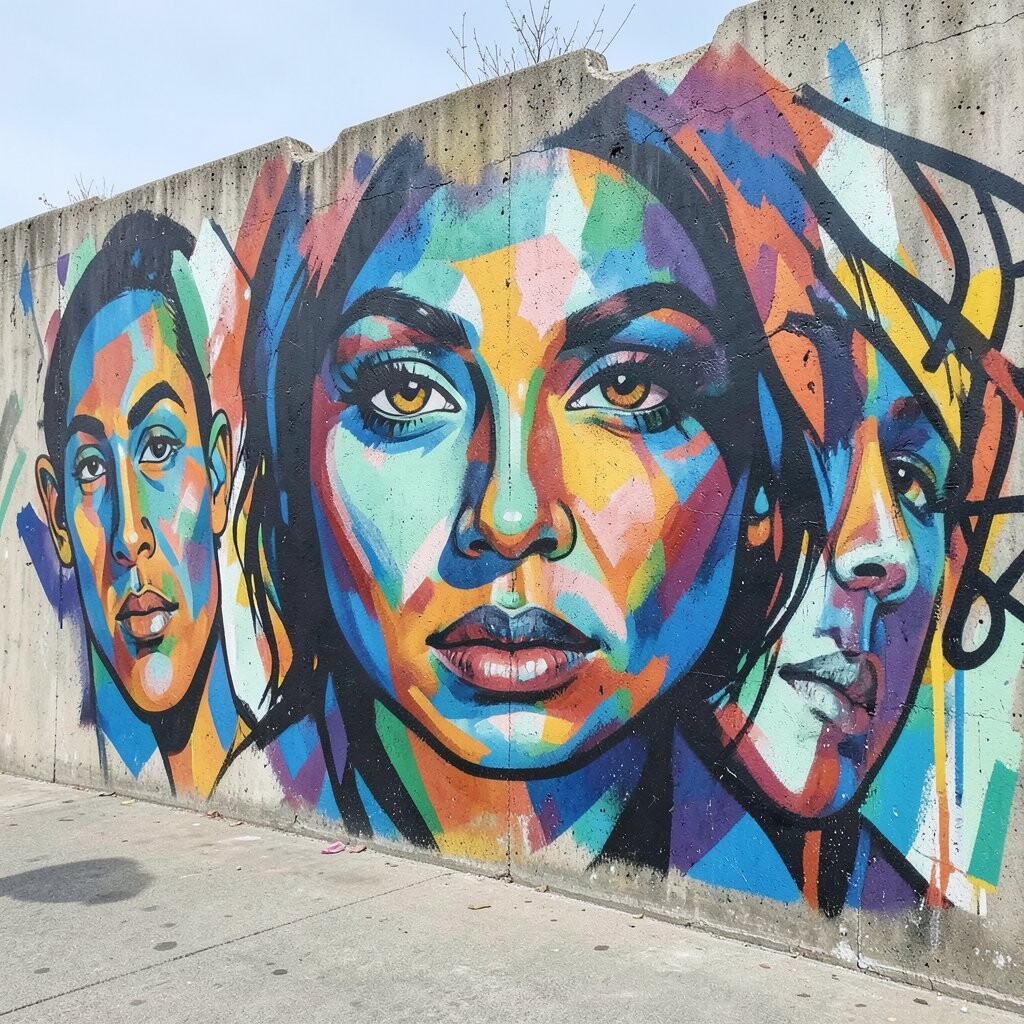
Abstract portrait faces can turn a concrete wall into a powerful art statement. Picture simplified facial shapes with expressive color blocks and sweeping brush marks that suggest emotion rather than realism.
This benefits many spaces because it adds personality and can match a wide range of decor styles. The key is to keep the palette cohesive with nearby furnishings so the mural feels intentional.
Start by outlining facial shapes with a light pencil sketch, then fill areas with bold colors using painter’s tape for crisp edges. Let one or two colors be dominant so the face reads clearly from across the room.
For uniqueness, mix art styles like cubism-inspired angles or graffiti-like splashes, but keep the overall form readable. Personalize it by using colors linked to a brand palette, a favorite team, or a loved one’s scarf.
On cost, abstract portraits can be flexible because you can scale detail up or down. If you want to save time, choose larger shapes and fewer tiny brush details.
15. Interactive Chalkboard Paint With Mini Art Scenes
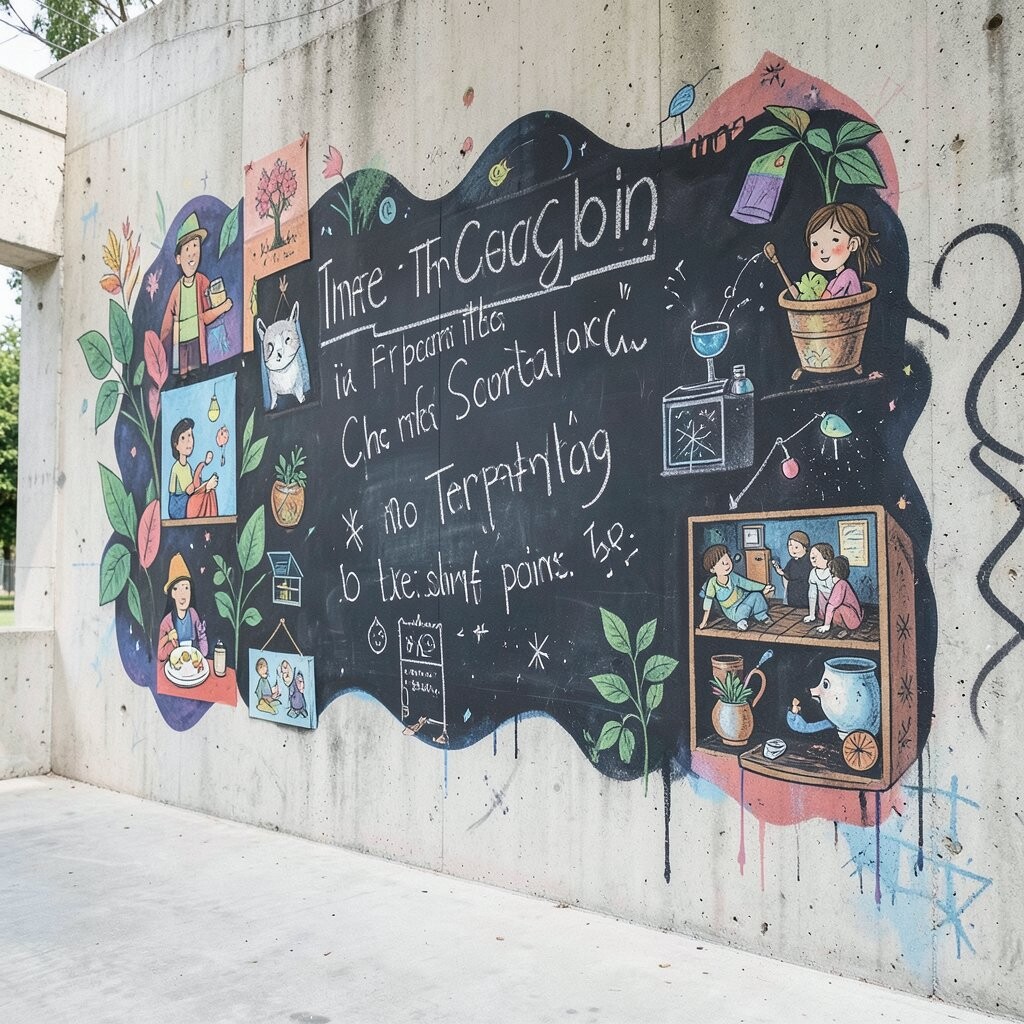
Chalkboard-style mural paint makes a concrete wall useful and creative at the same time. You can paint a background in a deep matte color and then add mini art scenes that frame where people can write.
This idea benefits everyday life because it supports notes, doodles, and seasonal updates. It also fits current trends toward functional decor that still looks artistic.
Apply chalkboard paint in even coats, then test with chalk to confirm the finish works well on your wall. Once it is ready, paint small decorative borders or corner murals so the wall looks finished even when left blank.
To personalize, create themed zones like travel stickers, daily quotes, or a “color mood” section that changes each month. For practical care, seal the surrounding paint with a protective topcoat so the writing area stays the only chalk-friendly surface.
Cost considerations are fairly reasonable since chalkboard paint can replace plain accent paint, and mini scenes can be kept simple. Choose durable chalk and a soft brush for quick cleanups.