A stepped ceiling can make a room feel special right away. It adds shape, light, and a sense of style without needing a full remodel.
1. Clean White Step Layers
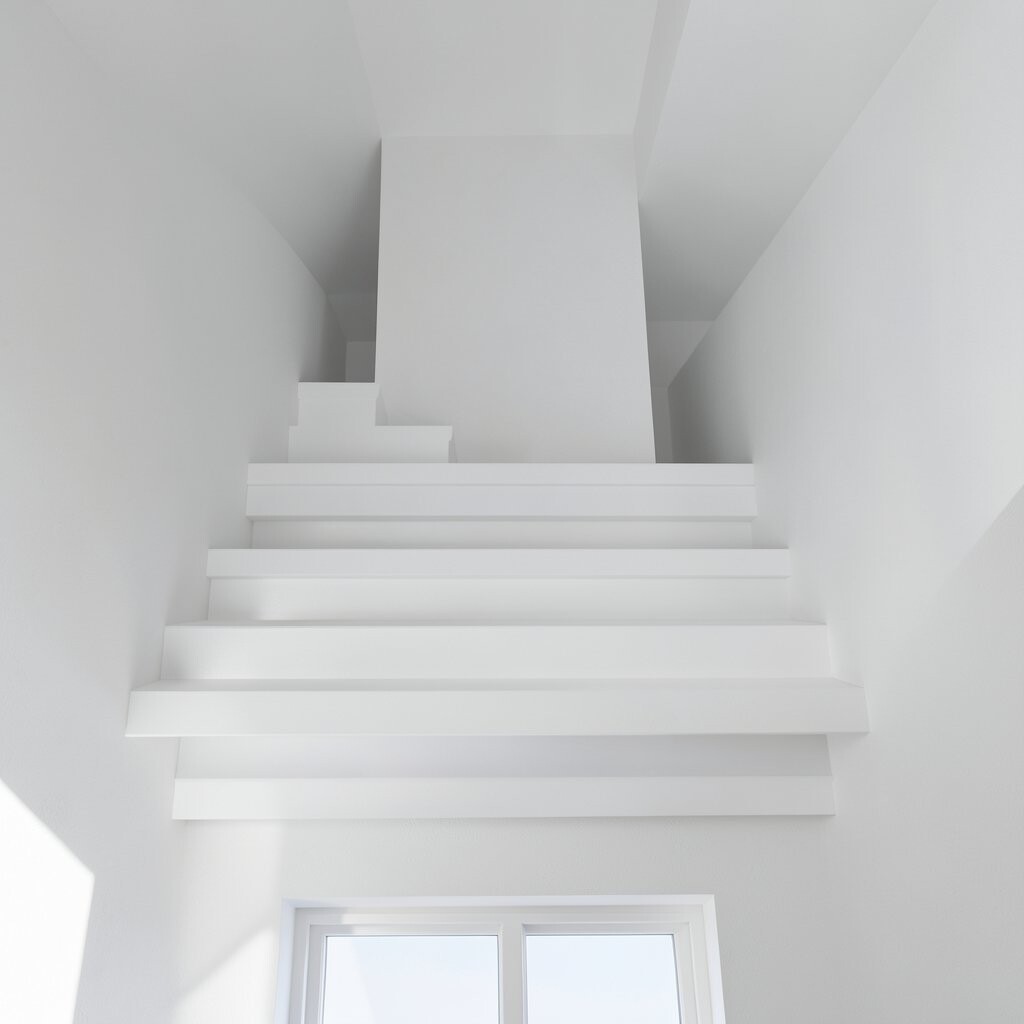
A clean white stepped ceiling gives a room a sharp and airy look. The layered edges catch light in a soft way, so the ceiling feels higher and the space feels calmer.
This style works well in living rooms, bedrooms, and open family spaces because it feels fresh and easy to match with almost any décor. It is also a smart choice if you want a low-risk update, since plain white paint and simple trim often cost less than more detailed finishes. You can make it feel personal by adding warm bulbs, slim wall art, or a favorite rug that keeps the room from feeling too plain.
2. Wood Trim Step Detail
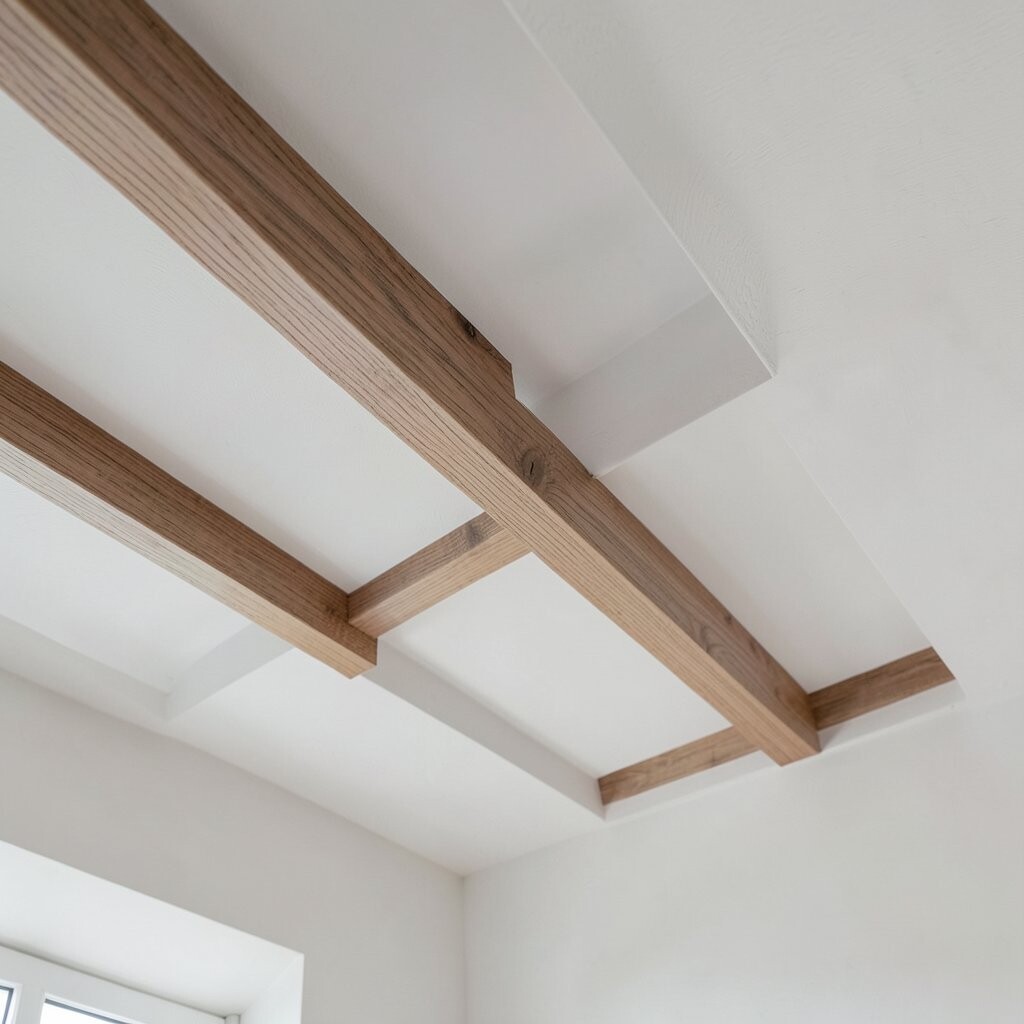
Wood trim can bring warmth to a stepped ceiling and make it feel cozy instead of cold. The layered wood lines add depth and give the room a neat frame that feels rich without being loud.
This idea looks great in homes that already have wood floors or furniture, since the whole room can feel tied together. It also gives you some flexibility, because you can use light oak for a soft look or darker stain for more drama. If you are thinking about cost, a smaller trim design can give you the same charm with less material, and adding hidden lights under the steps can make the finish feel even more special.
Many people like this style because it brings a handcrafted feel to a ceiling that might otherwise seem flat. You can make it your own with natural colors, woven décor, or black metal accents that stand out against the wood.
3. Soft LED Glow Steps
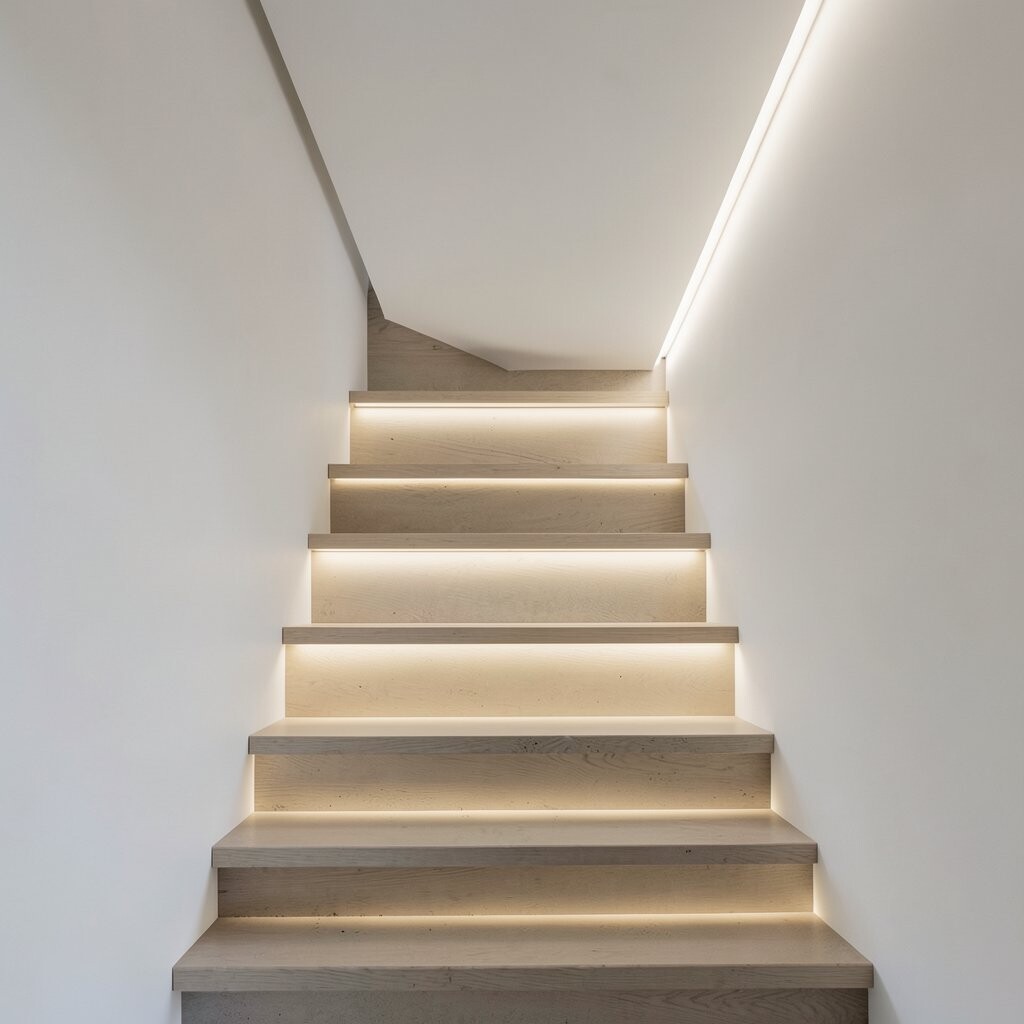
Soft LED lighting tucked into a stepped ceiling can make a room glow in a gentle and modern way. The light follows the lines of the steps, which makes the ceiling shape stand out even at night.
This choice is popular in current home design because it feels polished and easy to live with. It can also help a room look bigger and more open, especially when the glow spreads across pale walls and simple furniture. For a practical approach, choose dimmable lights so you can shift the mood from bright and active to calm and cozy, and plan the wiring early so the job stays neat and less costly later.
You can personalize the look with warm white light for a relaxed feel or cooler light for a cleaner, sleek look. It works well in media rooms, bedrooms, and dining spaces where a little extra drama makes the whole area feel more inviting.
4. Bold Painted Step Contrast
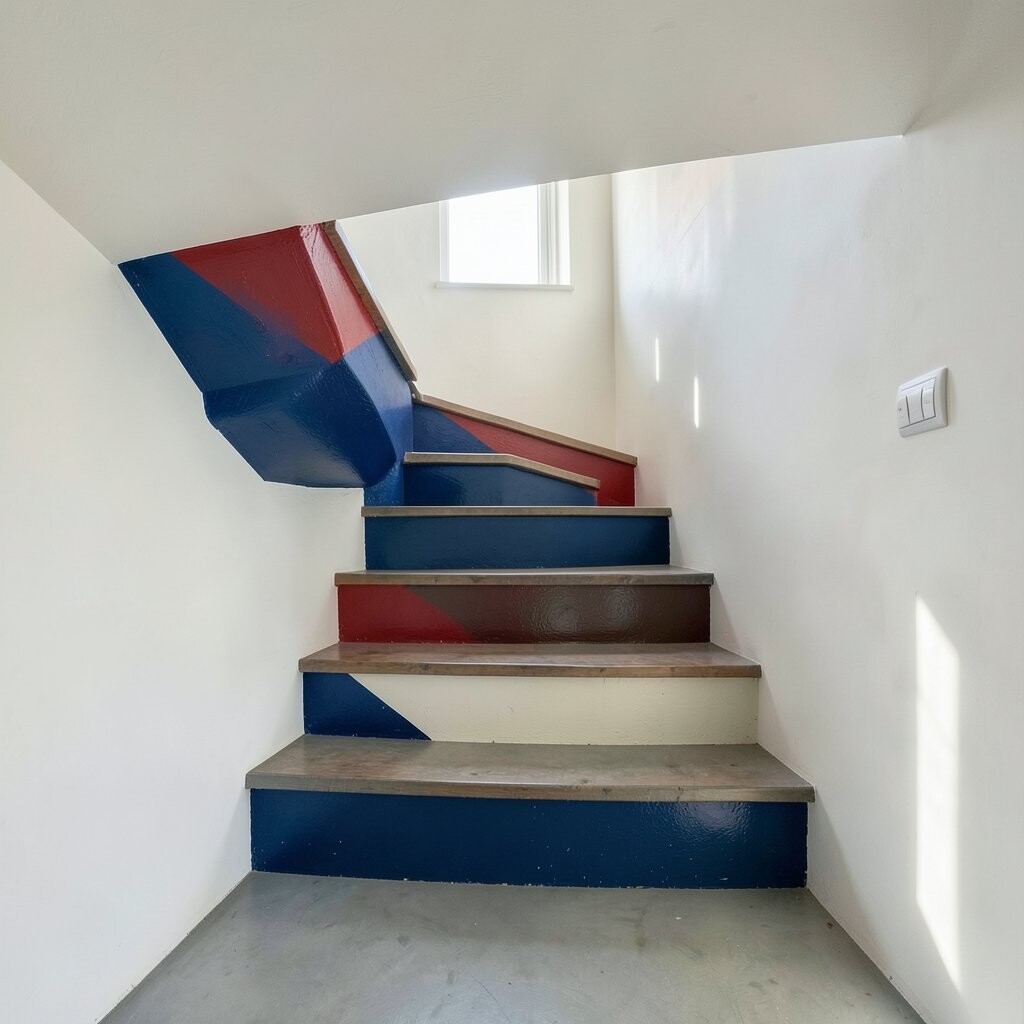
Painting each step of the ceiling in a bold contrast can turn the roofline into a true design feature. Dark lines against light surfaces, or a deep color paired with crisp white, create a strong visual rhythm that feels lively and modern.
This style is a great way to add personality without changing the full shape of the room. It can also be a budget-friendly update if the structure is already there, because paint is often cheaper than major carpentry. To keep the result balanced, use the same color in small touches around the room so the ceiling feels connected to the rest of the space.
5. Curved Step Mix
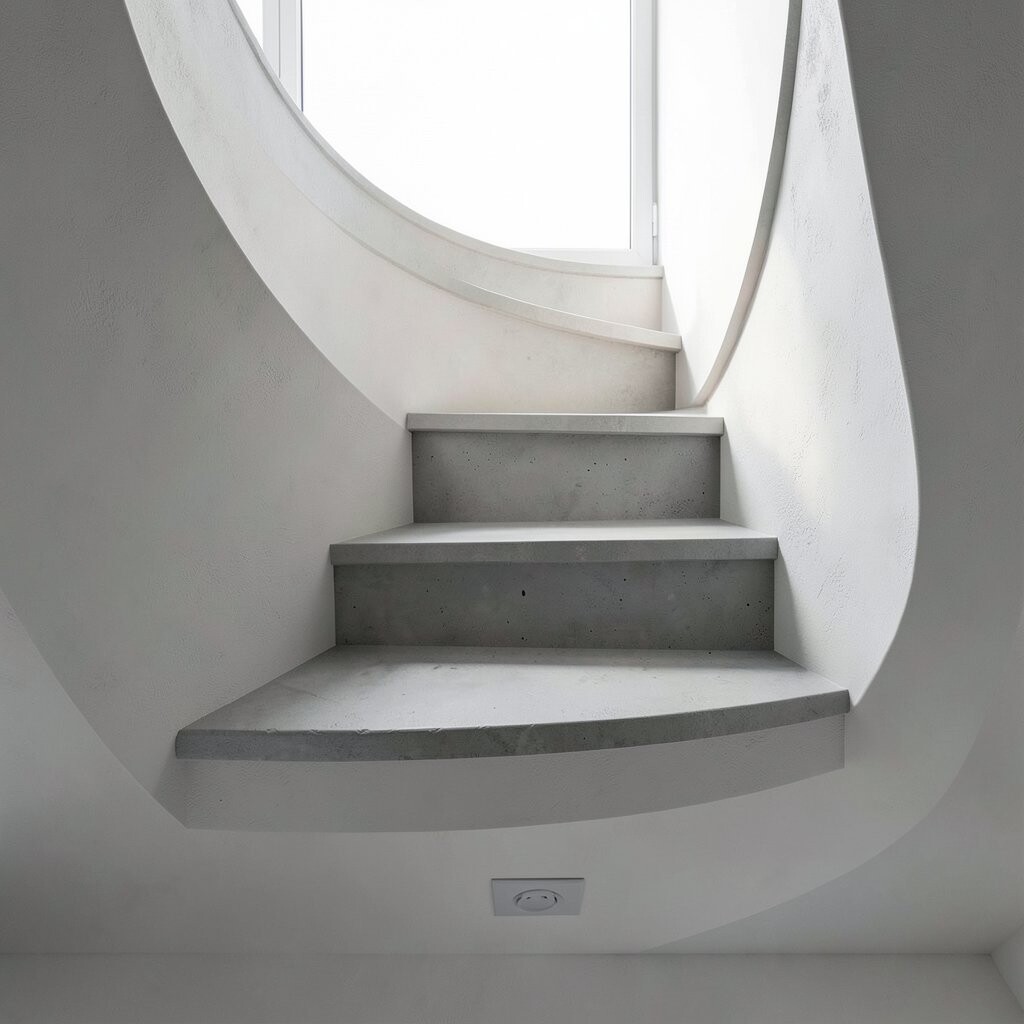
A stepped ceiling with soft curves can feel graceful and a little unexpected. The rounded edges soften the hard lines of the steps, giving the room a smoother look that feels calm and elegant.
This design stands out because it is less common than straight-edged styles, so it can make a home feel custom right away. It works especially well in rooms with gentle furniture shapes, light fabrics, or arch details nearby. If you want to keep costs in check, use curves in just one main section and keep the rest simple, which still gives a special effect without adding too much labor.
Personal touches like pendant lights, pale plaster finishes, or soft ceiling paint colors can make the design feel even more unique. It is a lovely choice for anyone who wants a ceiling that feels artistic but still easy to live with.
6. Deep Tray Within Steps

A deep tray set inside stepped layers creates a rich ceiling look with clear depth. The center feels pulled inward, while the outer steps frame it like a built-in feature.
This design is a strong pick for dining rooms and entry spaces because it naturally draws the eye upward. It can also help a room feel more formal without making it feel stiff, especially when paired with a bold light fixture. For practical planning, measure the room height carefully, since a deeper tray needs enough space to avoid feeling heavy, and simpler molding can help keep the price more manageable.
You can make the look your own with a painted center panel, wallpaper on the inner section, or a chandelier that fits your style. The result feels custom and polished, yet it still works with many kinds of furniture and color schemes.
7. Minimal Sharp Lines

Sharp-lined stepped ceilings create a clean and crisp look that feels very current. The simple angles give the room structure without too much detail, which is helpful in homes that already have a lot going on.
This is a good option when you want the ceiling to look modern but not overly fancy. It often works well with open layouts because the clear lines can guide the eye from one space to the next. A straightforward build can also help reduce cost, since fewer curves and extras usually mean easier construction, and you can add your own style later with bold paint, art, or furniture.
Because the design is so simple, small choices make a big difference. Matte finishes, hidden lights, and slim trim can all give the room a more finished feel without taking away the clean look.
8. Layered Center Focus
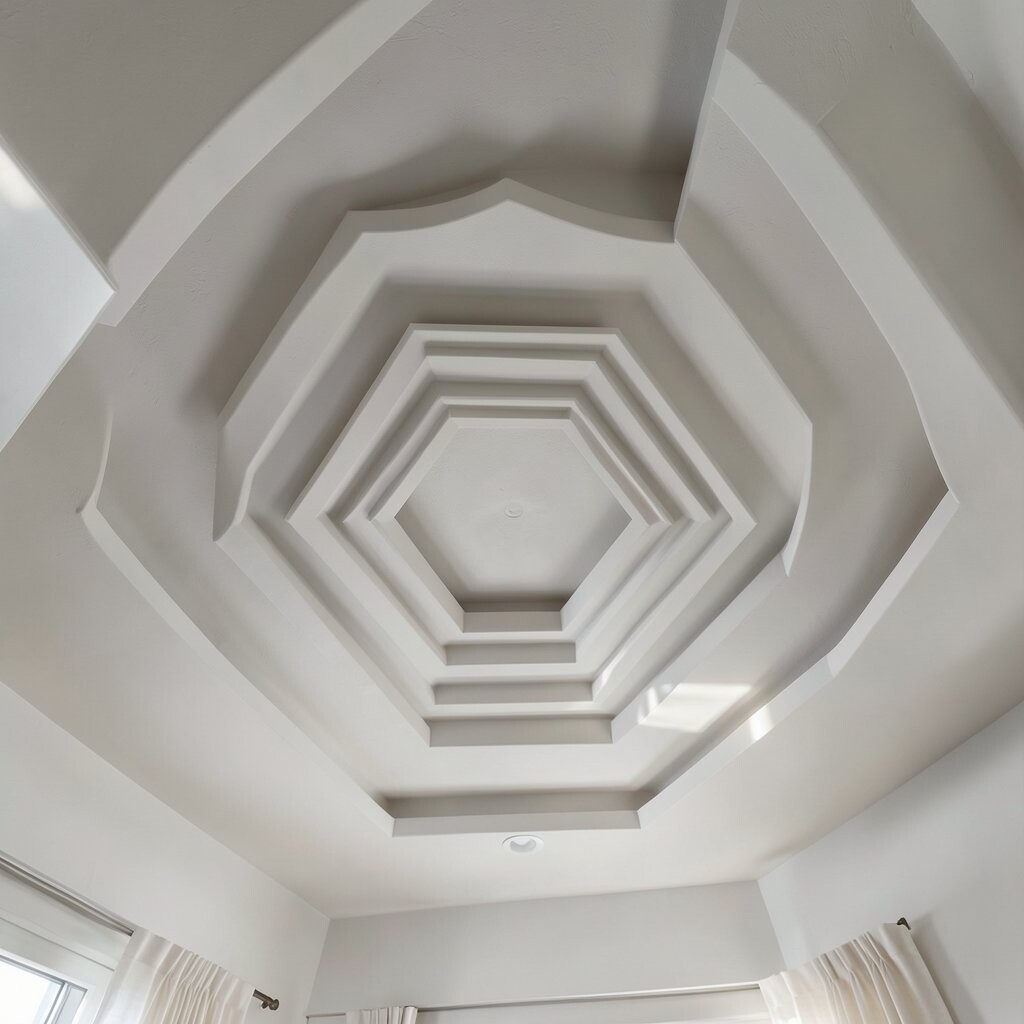
A layered center focus ceiling brings attention to the middle of the room in a neat and balanced way. The steps frame the center area, so your eye goes straight to a light fixture, ceiling medallion, or painted accent panel.
This look is useful in rooms where you want one strong focal point, such as a dining space or sitting room. It can make the room feel more organized, and it gives you a clear place to show off a favorite chandelier or fan. If you want to keep the design practical, choose materials that match the room’s shape and size so the steps do not overpower the space, and keep the center detail simple if your budget is tighter.
You can make this style feel personal by adding a bold color in the middle or a textured finish that sets it apart. It is a nice way to make a ceiling feel planned and thoughtful without needing a lot of extra decoration elsewhere.
9. Warm Neutral Tones
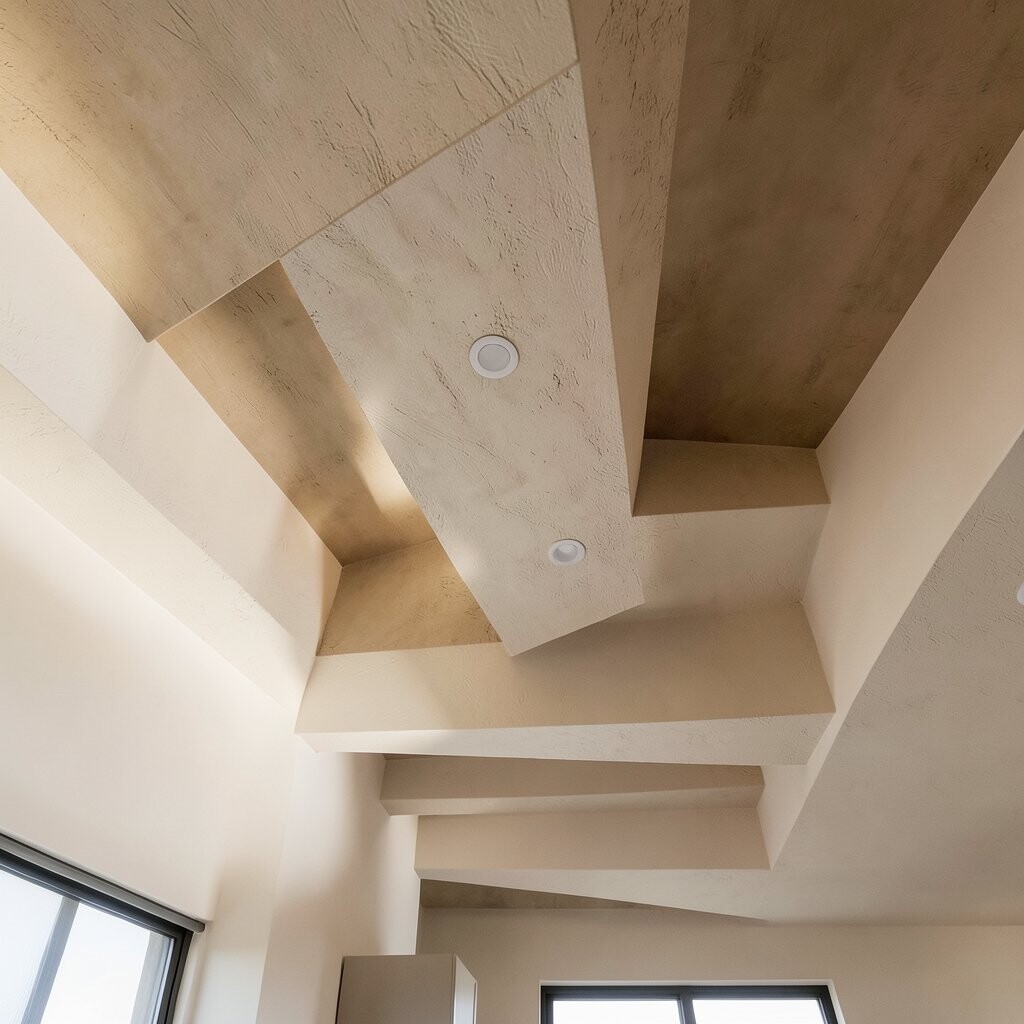
Warm neutral tones can make a stepped ceiling feel soft, calm, and easy to enjoy every day. Beige, cream, greige, and gentle taupe colors help the layers look smooth and welcoming instead of harsh.
This style is a favorite in many homes because it fits so easily with changing furniture and décor. It also has a timeless feel, which is helpful if you want the room to stay stylish for years without needing a repaint soon. On the money side, neutral paint and simple finish choices are often less expensive than dramatic custom textures, and they still let you add personality through pillows, curtains, or artwork.
Try mixing warm tones with soft lighting to keep the stepped layers from looking flat. The result is subtle but elegant, and it can make even a small room feel more relaxed and complete.
10. Hidden Shelf Edge Steps
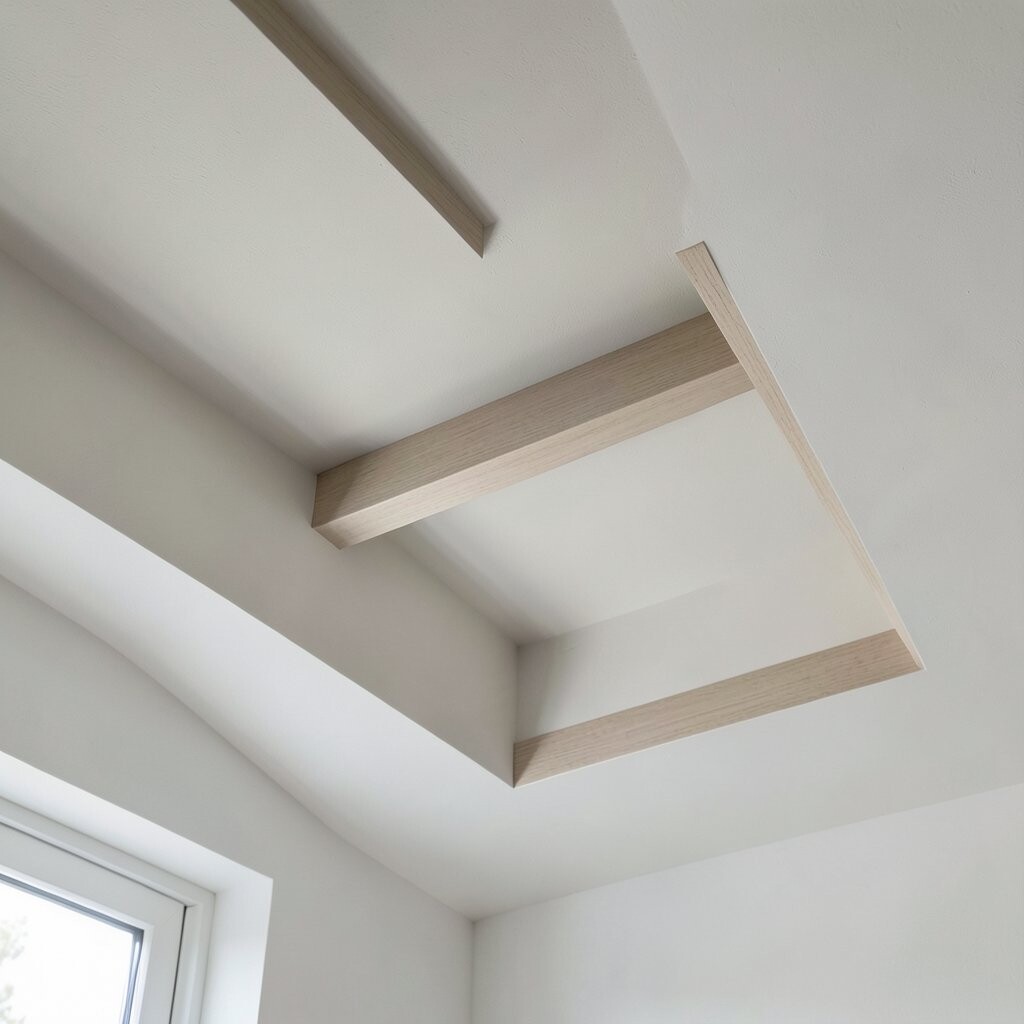
Stepped ceilings with a hidden shelf edge can add both style and function. The small ledge can tuck in strip lighting, slim decor, or even a little painted shadow line that makes the layers stand out.
This design feels modern and clever, and it is a nice choice for people who want a ceiling with a bit of built-in usefulness. It can make the room feel taller and more finished, while also giving you a chance to soften the transition between wall and ceiling. If you are planning costs, remember that added details can raise labor a little, so keeping the shelf narrow and the lines simple can help you stay on budget while still getting a custom feel.
You can personalize the edge with concealed lights, a matching color band, or a finish that blends with the room’s main theme. It works especially well in home offices, lounges, and reading corners where subtle detail can make the space feel thoughtful.
11. Bold Dark Ceiling Steps
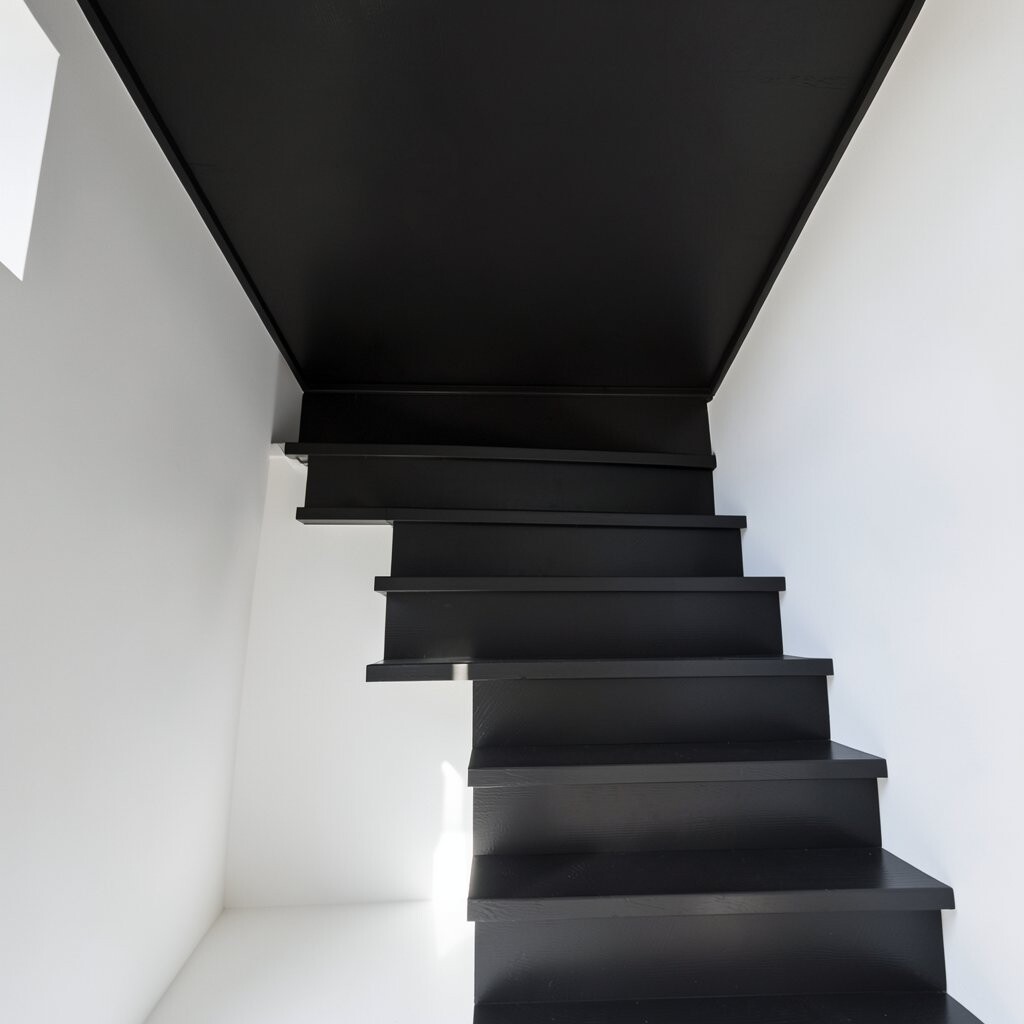
A dark stepped ceiling can give a room a rich, dramatic look that feels full of character. The layers become more striking when they are painted in charcoal, navy, deep green, or even black.
This idea is best for rooms with good natural light or plenty of lamps, since darker colors can make a ceiling feel lower if the space is too dim. Still, when used well, it creates a cozy mood and can make the room feel more grounded and stylish. For a smart approach, pair the dark ceiling with lighter walls and simple trim so the room stays balanced, and use a finish that suits your care level, since matte can hide flaws while satin may reflect more light.
You can make the design feel personal with brass lights, velvet fabrics, or art that ties into the ceiling color. It is a strong look, but it can still feel welcoming when the rest of the room is kept soft and warm.
12. Double Step Frame
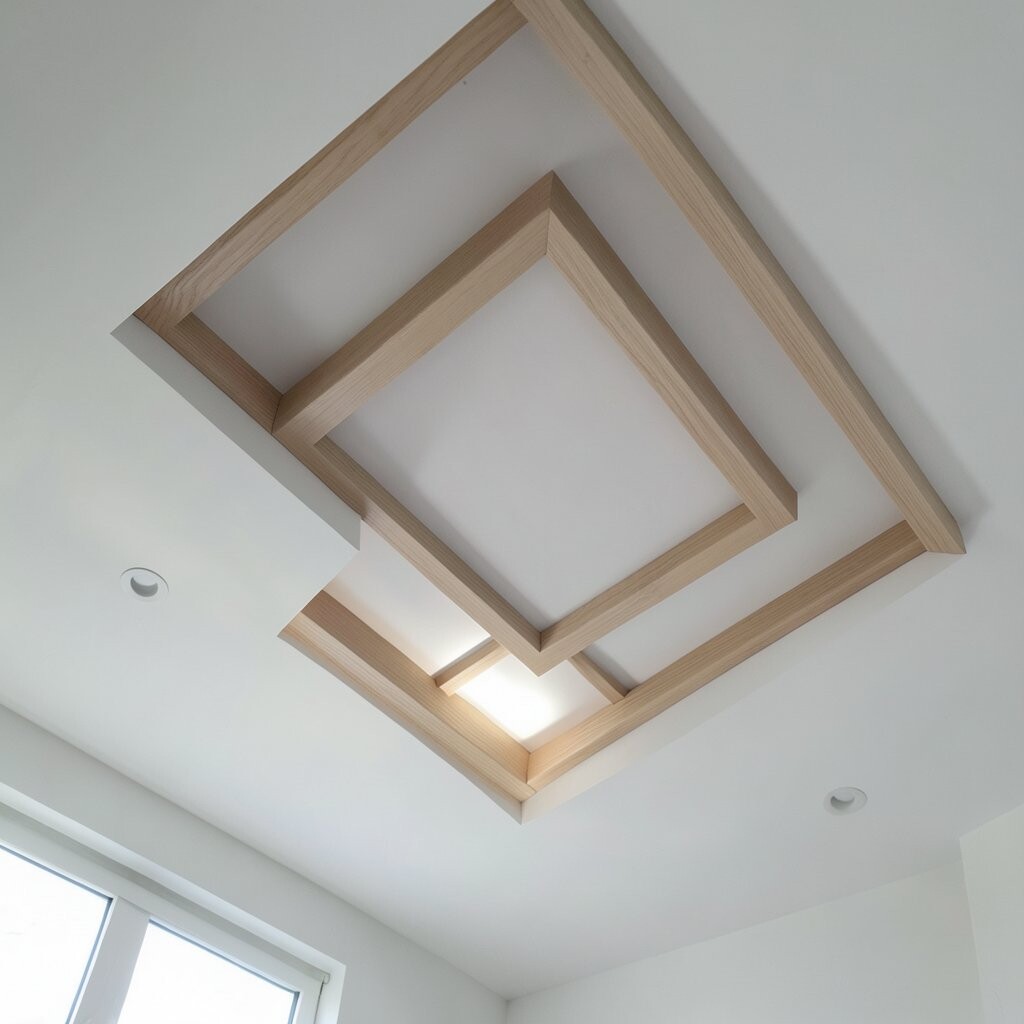
A double step frame ceiling uses two clear layers to make the room feel structured and neat. The outer frame and inner frame work together to create depth, so the ceiling has a finished look even before you add lighting or décor.
This design suits both modern and classic homes because it can lean either way depending on the trim and paint. It also offers a nice balance between style and simplicity, which is helpful if you want something that stands out without feeling too busy. To keep the project practical, use standard shapes and widely available materials, since that often keeps costs lower and repairs easier later on.
People often enjoy this look because it gives the room a custom feel without needing a full overhaul. You can make it unique with a soft accent color in the inner frame or by using a statement fan that matches the room’s mood.
13. Textured Finish Steps

Textured finish steps can add a touch of depth that paint alone cannot always give. A plaster look, subtle grain, or hand-finished surface can make the stepped ceiling feel more artistic and layered.
This style is great for homeowners who want something a little more special than a flat painted ceiling. It can hide small flaws well, which is helpful in older homes or rooms that have seen a lot of use. The price can vary based on how detailed the texture is, so simple textures are often a good middle ground between plain and high-end, and they still leave room for personal style through lighting and furniture.
You might pair the texture with soft earth tones, warm bulbs, or natural fabrics to keep the look calm and easy to live with. The result feels handcrafted and warm, which makes the ceiling feel like part of the room’s personality.
14. Full Room Border Step

A full room border step runs around the edges of the ceiling and gives the room a strong frame. This creates a neat border effect that can make the middle of the ceiling feel open while the outer edge adds shape and interest.
This design is useful in many homes because it can define a space without closing it in, which is great for open-plan rooms. It also gives you a clean place to tuck in recessed lights or a thin color band, making the ceiling both attractive and practical. If you are thinking about budget, a border that uses simple lines and fewer custom cuts can still look polished, and it often gives a very good style payoff for the money.
You can personalize the border with matching wall tones, a contrast paint strip, or a small amount of wood trim for warmth. This stepped look feels crisp, tidy, and flexible, which makes it easy to fit into many kinds of homes.