
Film grain can make a plain photo feel warm and alive. The right overlay adds mood, depth, and a lovely old-school touch.
1. Soft Vintage Grain Overlay

Soft vintage grain gives photos a gentle dusty look that feels calm and classic. It works well on portraits, wedding scenes, and cozy indoor shots because the texture is light and easy on the eyes.
This style stands out because it adds charm without stealing the show, which is great when you want the face or subject to stay in focus. Try lowering the strength for clean edits, and raise it a little if you want a more retro feel that looks like a real printed film frame.
2. Classic 35mm Grain Overlay

Classic 35mm grain looks close to the film photos many people love from old cameras. It brings tiny specks and a natural roughness that can make digital pictures feel more honest and less sharp.
Many editors like it because it fits almost any scene, from street shots to family portraits. It is a smart pick if you want a timeless look without spending much, since many packs include this style at a low price or even free with simple licensing.
You can also make it your own by pairing it with soft contrast or faded colors. That small change helps the grain feel personal instead of copied from a preset.
3. Fine Dust Grain Overlay

Fine dust grain creates a tiny textured veil that looks delicate and smooth. It is a good match for bright fashion photos, lifestyle shots, and product images that need a bit of character but not a heavy effect.
The main benefit is control, because the grain is subtle enough to keep details clear. It also feels current, since many creators now want cleaner edits with just a little film texture for warmth.
Use it on light backgrounds to add interest without clutter. If you want more personality, place it over a warm color grade or a soft blur for a dreamy finish.
4. Heavy Cinema Grain Overlay

Heavy cinema grain brings a bold screen-like texture that feels dramatic and rich. It can give portraits, night photos, and moody city scenes a strong film look with lots of mood.
This overlay is special because it does not try to hide itself, and that makes it perfect for artsy edits. It can also help a flat image feel deeper, which is useful when the photo needs more energy and edge.
Use it with care so your subject stays clear and the grain does not take over the frame. Some premium packs cost more, but they often include better control and cleaner results for large prints or client work.
5. Warm Brown Grain Overlay

Warm brown grain adds a cozy earth-tone feel that can make photos look like they were taken on an old roll of film. It shines on travel shots, coffee scenes, and portraits with golden light because it boosts the sense of comfort.
The uniqueness comes from the color tone as much as the texture, since the grain blends into the warm mood. If you want a custom look, pair it with beige, rust, or sunset shades to make the whole image feel tied together.
It is also a useful choice when you want beauty with a soft nostalgic edge. Free versions often work well for hobby edits, while paid ones may offer richer tones and more natural grain patterns.
6. Black and White Grain Overlay
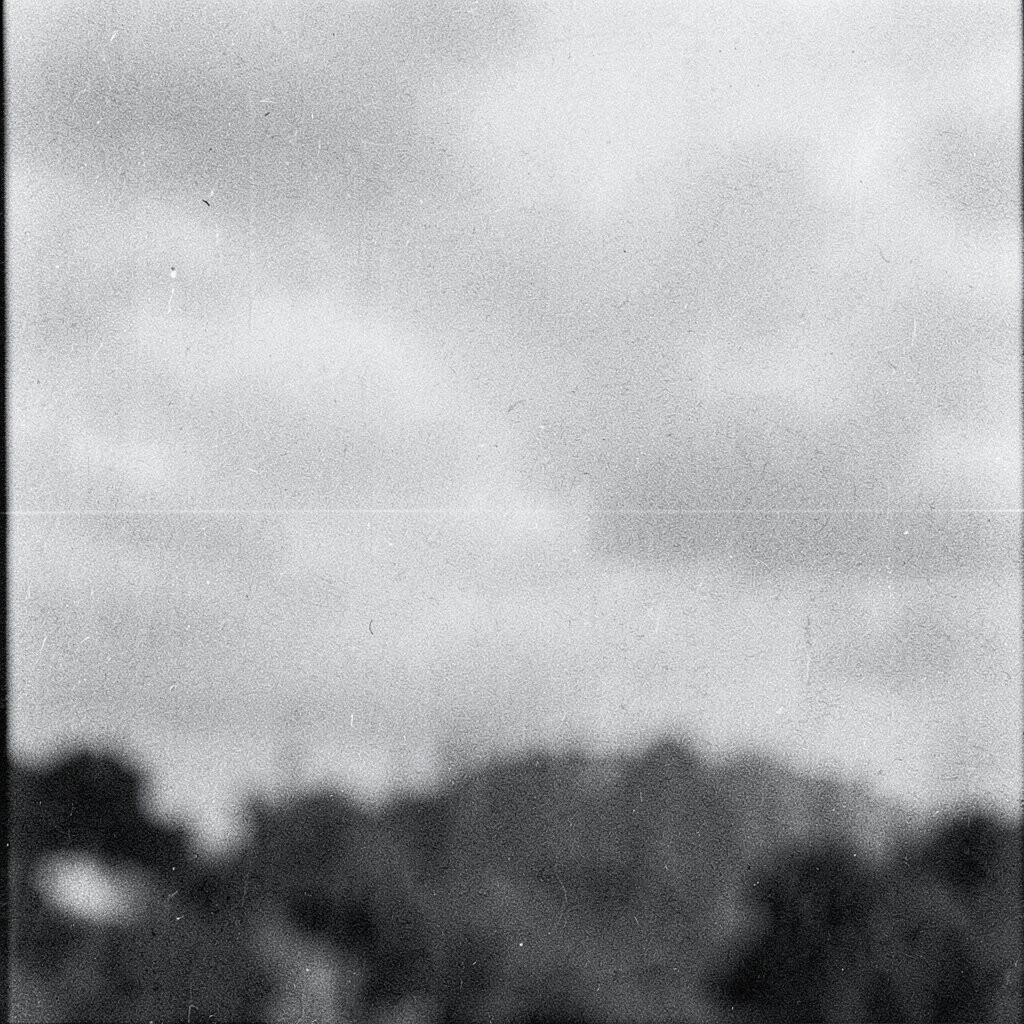
Black and white grain brings strong shape and texture to an image, which can make faces and shadows feel deeper. It is a favorite for street photos, serious portraits, and simple scenes where emotion matters more than color.
The look is unique because the grain becomes part of the story instead of just a finish. It helps details pop in a gentle way, and that can make a photo feel more honest and artistic at the same time.
For best results, keep an eye on contrast so the image does not get too harsh. A mild overlay can be affordable and easy to use, while a high-end pack may give you a smoother grayscale feel for polished work.
7. Fine Vintage Dust Overlay

Fine vintage dust overlay gives photos tiny specks and soft marks that feel like old prints kept in a drawer. It is lovely for scrapbook styles, family albums, and memory photos because it adds a lived-in touch.
This overlay feels special since it looks imperfect in a beautiful way. It can also hide small digital flaws and make the image feel more natural, which is useful if your original file looks too clean.
Try it on warm-toned edits or faded pastels for a sweet retro look. If you enjoy personal style, mix it with a soft frame or a slight vignette to make the photo feel more like your own keepsake.
8. Soft Matte Grain Overlay

Soft matte grain has a smooth faded look with a gentle film texture on top. It works well for wedding photos, fashion shots, and calm lifestyle images where you want elegance without too much drama.
The biggest benefit is balance, since matte tones soften the picture while grain keeps it from feeling flat. That mix is popular right now because it feels modern, clean, and a little nostalgic all at once.
You can personalize it by adjusting the fade level and matching it to your skin tones or brand colors. Many editors choose this style because it often comes in budget-friendly packs that still look polished.
9. Dark Moody Grain Overlay

Dark moody grain gives photos a rich textured shadow look that feels strong and cinematic. It is a great fit for night portraits, rainy streets, and dramatic still life images with deep color.
This style is unique because it turns darkness into a feature instead of a problem. The grain helps the shadows feel full and thick, which can add a bold story to an image without needing lots of extra effects.
Use it with deep blues, greens, or red accents for a striking result. If you shoot for social media, this can be a smart trend-friendly choice because moody edits are still very popular and easy to style.
10. Subtle Retro Film Overlay

Subtle retro film overlay adds a light worn texture that feels cute, simple, and familiar. It is a safe choice for everyday photos, pet shots, and casual outdoor moments that need a little extra life.
The charm comes from its quiet look, since it gives a film feel without making the picture rough. That makes it useful for people who want beauty first and texture second, especially when editing phone photos for quick sharing.
To make it personal, match the grain with soft orange highlights or a pale color wash. Low-cost packs often include this kind of overlay, and many users like it because it is easy to blend with almost any picture.
11. Crushed Analog Grain Overlay

Crushed analog grain brings a stronger old-film feel with deeper texture and a more rugged finish. It is nice for concert photos, fashion editorials, and creative portraits where a polished but rough edge looks good.
This overlay stands out because it feels raw and bold, almost like a real scanned frame from a camera roll. It can make simple photos look much more artistic, especially if the lighting already has strong shape and contrast.
Keep the opacity in check so the picture still looks clear and readable. If you want something special for client work, a paid set may be worth it because the grain often looks more natural and less copy-pasted.
12. Dreamy Light Grain Overlay

Dreamy light grain adds a soft floating texture that feels airy and sweet. It works well for spring scenes, portraits, flowers, and bright edits that need a little magic without losing clarity.
The uniqueness of this overlay is how light it feels, almost like a whisper on the image. It brings a gentle glow to the whole frame and can make skin, sky, and soft backgrounds look even nicer.
Use it with pastel colors, soft focus, or sunlit highlights for a pretty finish. If you like a custom style, try layering it with a fade or a warm tint, and choose a pack that fits your budget while still giving you enough control for different photos.